


403 Forbidden
ERR_WEB_NGX_403

Estimates suggest that 1 in 13 people get early morning headaches, which equates to around 5 million people in the United Kingdom alone. If you're one of them, you'll know how frustrating it can be to start your day with throbbing pain.
Waking up with a headache might be concerning, but most morning headaches have an innocent explanation that you can easily address. Common culprits include dehydration, alcohol consumption from the night before, or simply poor sleep quality. You might also have a minor illness like a cold or flu, or eyesight problems that an optician can quickly diagnose and resolve with a proper prescription.
The good news is that most morning headaches are easily treatable with readily available over-the-counter pain medications such as paracetamol and ibuprofen. Better yet, there are several lifestyle and environmental changes you can implement to reduce the frequency of these morning headaches, helping you wake up feeling refreshed and ready to tackle your day.
This comprehensive article explores the various potential causes behind those frustrating morning headaches, along with practical advice and actionable steps you can take to reduce their occurrence. We'll look at everything from simple lifestyle adjustments to when you should consider seeking medical attention.
Let's jump in and discover how you can start your mornings headache-free!
As you can see, most morning headache causes aren't sinister, and many can be addressed with simple lifestyle changes. Let's explore each cause in detail to help you identify what might be triggering your morning headaches.
Stands as the leading cause of morning headaches, affecting countless individuals across the UK. The good news is that dehydration is remarkably easy to fix - simply drink half a pint of water before you go to bed and keep a glass of water on your bedside table for sips during the night, particularly when you get up to use the loo. Your body will thank you with clearer, pain-free mornings.
Another significant contributor to morning headaches, and while it usually requires the environmental or social trigger to resolve itself before complete relief, there are numerous steps you can take during stressful periods. Learning stress management techniques, practicing mindfulness, or speaking with a counsellor can help you deal with stressful situations more rationally and reduce stress-related morning headaches.
Headaches frequently accompany colds and flu as your body fights off the infection. The most effective solution is to ensure you have painkillers actively working in your system when you wake up. Consider taking ibuprofen or paracetamol in the middle of the night to prevent that morning surge of discomfort. Remember to stay hydrated and get plenty of rest to support your body's natural healing process.
Eyesigh problems could trigger morning headaches through prolonged eye strain, with the effects often most noticeable upon waking due to inflammation building up overnight. The solution is straightforward - schedule a visit to your local optician for a thorough eye examination. They can prescribe glasses or contact lenses that will correct your vision and help prevent these strain-induced morning headaches.
Your brain's glymphatic system plays a crucial role in preventing morning headaches. This remarkable system cleanses your brain of toxins that accumulate during your waking hours while you sleep. Without proper sleep allowing this nocturnal biological process to function effectively, toxins can build up, leading to morning headaches. The bottom line is simple: prioritise getting adequate, quality sleep for a healthy brain and headache-free mornings.
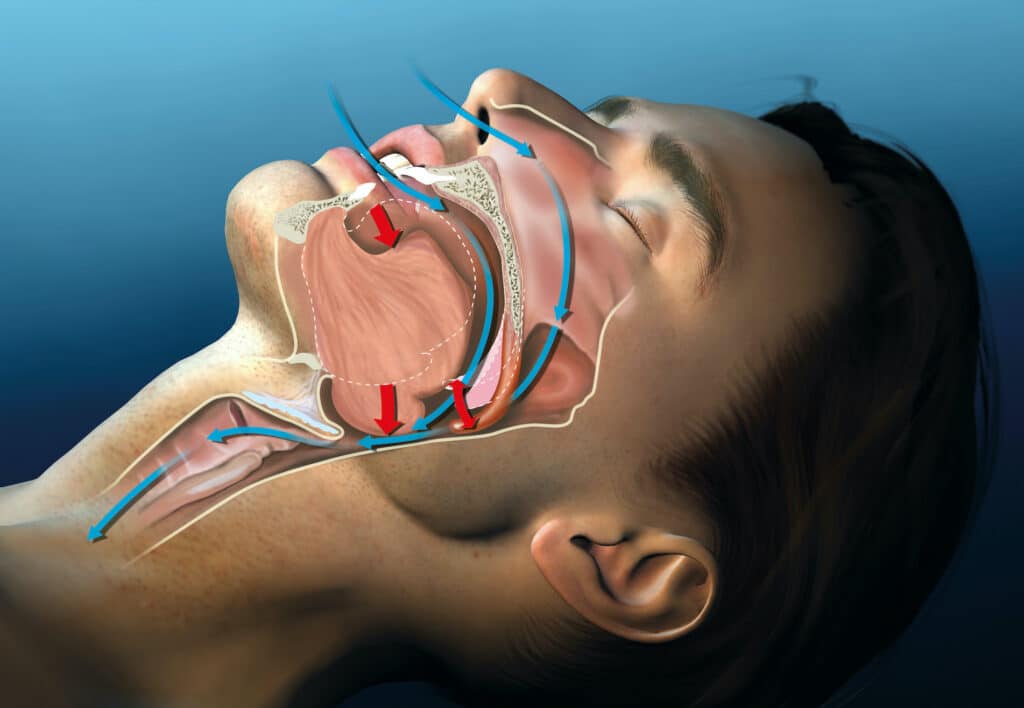
Sleep apnea represents a more serious cause of morning headaches that requires medical attention. This condition occurs when you repeatedly stop and start breathing while sleeping, with gaps between breaths sometimes exceeding thirty seconds. This interruption in breathing restricts oxygen intake, which can result in particularly severe morning headaches. If you suspect sleep apnea, consult your GP for proper diagnosis and treatment options.
Medication-induced headaches are surprisingly common, with thousands of medications listing headaches as potential side effects. Ironically, common pain relievers such as aspirin can sometimes exacerbate the problem, particularly when used frequently. It's essential to speak with your GP to review your medications properly and identify any that might be contributing to your morning headaches.
Alcohol consumption often leads to morning headaches through its diuretic effect, causing your kidneys to expel more liquid than you're taking in, resulting in dehydration while you sleep. Combat this by drinking half a pint of water before bed and keeping another half pint handy for during the night. This simple habit can significantly reduce the likelihood of waking up with a hangover headache.
Substance dependency can manifest in morning headaches when the body becomes reliant on certain substances to function normally. Any period of abstinence or reduced dosage can trigger withdrawal symptoms, including morning headaches, accompanied by shakes and nausea. If you're experiencing withdrawal-related morning headaches, it's crucial to seek professional medical support for safe management of the situation.
Firstly, take a thorough look at our comprehensive list of morning headache causes detailed above and identify which factors resonate most with your personal circumstances and daily routines. This self-assessment is crucial as it forms the foundation for addressing your specific morning headache triggers effectively.
For instance, you might notice a pattern where morning headaches frequently occur after evenings when you've forgotten to hydrate properly before bedtime, or perhaps following nights when you've enjoyed a glass of wine with dinner. Understanding these patterns can help you make informed lifestyle adjustments to prevent future occurrences of morning headaches.
One of the most frequently overlooked yet significant contributors to morning headaches is poor sleep quality. Medical research consistently shows that adults require between seven and nine hours of quality sleep each night, while children need even more for optimal health. When this vital rest period is compromised, whether through irregular sleep patterns, environmental disturbances, or poor sleep hygiene, morning headaches often follow.
If you're experiencing morning headaches whilst battling a cold, virus, or general illness, it's important to recognise this temporary connection. Take a moment to assess your overall health: are you experiencing other symptoms that might indicate you're under the weather? This awareness can help you approach treatment more effectively.
The encouraging news is that the majority of morning headaches can be effectively addressed through straightforward lifestyle modifications. However, it's absolutely essential to rule out any serious underlying conditions if you have any concerns about your symptoms. Don't hesitate to seek professional medical advice if you're worried.
Particularly severe headaches and persistent migraines can sometimes be associated with more serious health conditions such as stroke, heart disease, epilepsy, and in rare instances, brain tumours. While these cases are uncommon, they underscore the importance of consulting your GP if you're experiencing concerning symptoms or if your morning headaches are particularly severe or persistent.
If you've found this article helpful in understanding and addressing your morning headaches, we encourage you to explore our related piece on sleep and mental health, which provides additional insights into maintaining optimal sleep hygiene and overall wellbeing.