


403 Forbidden
ERR_WEB_NGX_403
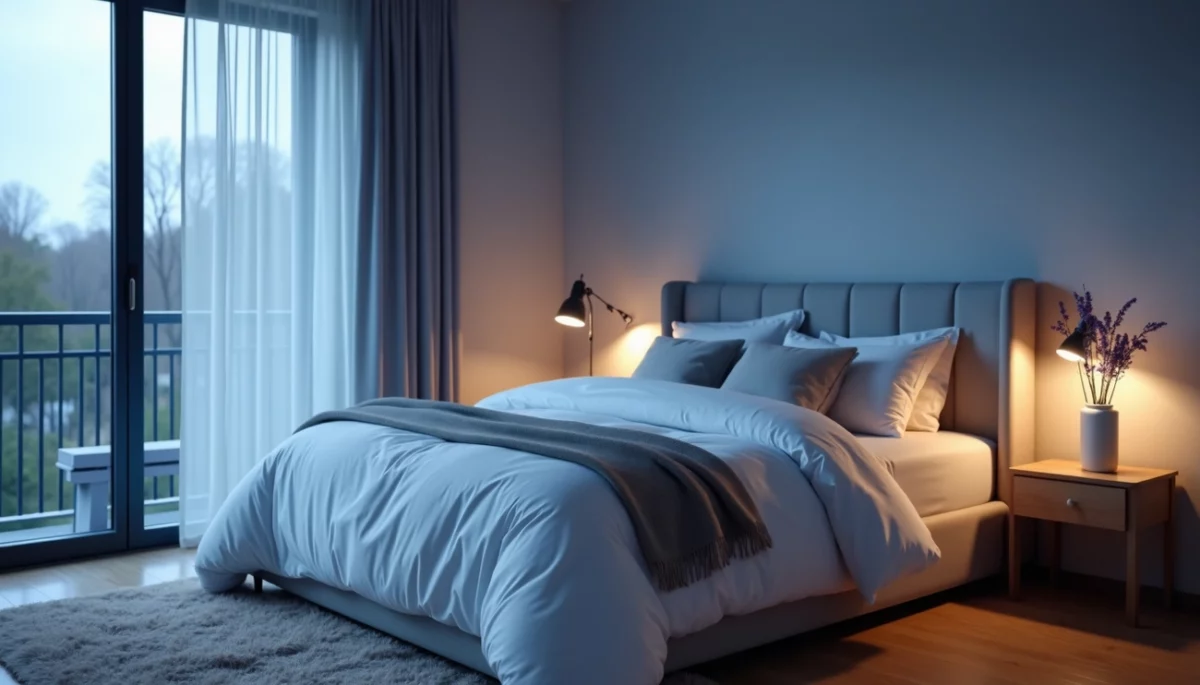
What if the secret to better sleep is hiding in plain sight on your bedroom walls? The what colours help you sleep question has a fascinating answer.
Scientific research reveals that certain colours trigger powerful physiological and psychological responses that can make or break your nightly rest.
Here's what caught our attention: people with blue bedrooms enjoyed the longest average sleep per night compared to every other bedroom colour. This isn't mere coincidence. Blue actually helps lower your blood pressure and slow your heart rate, creating that perfect peaceful atmosphere for winding down.
Green brings harmony and balance into your space, making your bedroom feel fresh and inviting. Meanwhile, grey delivers a soothing and elegant environment that whispers tranquility.
But here's the catch—some colours work against you. Red can spike your heart rate and boost energy levels, which is the last thing you want when you're trying to relax.
Your bedroom should be your personal sanctuary. A space where the outside world melts away and restful sleep comes naturally. Throughout this guide, you'll discover which colours will help you achieve those precious eight hours, which ones to avoid at all costs, and how to create your perfect sleep haven using the science of colour psychology.
Let's make sure your bedroom colours are working for you, not against you.
The connection between colours and sleep goes far beyond making your bedroom look pretty. Colour psychology shapes our mood, behaviour, and even our physiological responses, making it absolutely crucial when creating the perfect sleep environment.
Colour psychology studies how different hues affect human emotions and behaviours. This science delivers real, measurable impacts on our bodies and minds. Certain colours can lower blood pressure and slow heart rates, whilst others might increase alertness and energy levels.
Professor Anna Franklin at the University of Sussex's School of Psychology discovered that dark blue is the world's most relaxing colour. This makes perfect sense when you consider that blue connects with words like "relaxed," "safe," "satisfied," and "secure".
Our responses to colour work on two levels—instinctual and learned through cultural patterns. Green evokes feelings of comfort and peace because we associate it with nature, whilst red triggers excitement or alertness due to its link with danger signals.
Your emotional state before bedtime plays a huge role in how well you sleep. Poor mood can seriously damage the quality of your rest.
Research shows that people experiencing emotionally distressing events that worsen their mood suffer from decreased sleep efficiency and reduced total sleep time. The flip side? Positive emotions like gratitude predict better subjective sleep quality and longer duration.
The connection works both ways: colour influences emotion, and emotion influences sleep. Exposure to calming colours before bedtime may boost melatonin production and reduce cortisol levels. A 2022 sleep study revealed that 34% of people blamed stress as one of the main culprits behind poor sleep.
Your bedroom colour choices literally set the stage for either restful slumber or disrupted sleep. The Travelodge study revealed a striking difference: people sleeping in blue bedrooms averaged 7 hours and 52 minutes of sleep per night, compared to just 5 hours and 56 minutes for those in purple bedrooms.
Sleep duration tells only part of the story. Research suggests that bedroom colour darkness affects sleep quality through emotional experiences of serenity, contentment, and peacefulness. Temperature, sound, layout, lighting, and colours all trigger perceptual and emotional responses when designing a sleep environment.
Colour psychology becomes particularly powerful during those critical moments before sleep. Creating an environment with cooler tones like blue and green reduces stress levels and promotes deeper rest. Studies show that environments featuring these tones help lower heart rate and reduce blood pressure, making it easier to drift off.
Your bedroom isn't just a place to sleep—it's an environment that actively influences your mind and body. The colours surrounding you as you prepare for sleep can either support or sabotage your journey to restful slumber.

Ready to discover which colours can transform your nightly rest? Based on scientific research and colour psychology, certain hues create the perfect environment for restful slumber. Whether you're dreaming of a peaceful retreat or a sophisticated sleep sanctuary, these top sleep-friendly colours will help you achieve those coveted eight hours.
Blue reigns supreme as the champion of sleep-inducing colours. A 2013 Travelodge study found that people sleeping in blue bedrooms enjoyed the most sleep—an impressive 7 hours and 52 minutes on average. Even more striking, 55% of those with blue bedrooms reported waking up happy.
The science behind blue's effectiveness lies in special receptors called ganglion cells in our retinas. These cells are particularly sensitive to blue, and when they detect it, they relay signals to our brains that trigger a calming response, reducing blood pressure and slowing heart rate. For best results, choose shades with grey or icy undertones that evoke peaceful oceanic scenes.
Green connects us to the natural world, bringing feelings of renewal, harmony and tranquillity into your bedroom. Colour theorists identify green with fertility and balance, making it an excellent choice for creating a restorative sleep environment.
Surrounding yourself with green can lower rates of anxiety and depression—essential factors in quality sleep. When selecting green for your bedroom, opt for muted shades like forest or pastel greens with earthy undertones. These natural tones create a zen-like atmosphere without the over-stimulating effects of brighter lime or chartreuse varieties.
White creates an uncluttered, peaceful sleeping space that lets your mind breathe. Though technically not a colour but a combination of all colours across the visible light spectrum, white may help with sleep because it stimulates the brain less than colourful rooms.
People often associate white with positive words such as "peace," "secure," "safe," and "relaxed", creating the perfect psychological foundation for rest. White also reflects light beautifully, making even small bedrooms feel more spacious and open. To avoid a clinical feel, incorporate different white shades and add warm textures like wooden accents or soft fabrics.
Light grey provides a neutral backdrop that encourages relaxation without overwhelming the senses. As a cooler neutral, it creates a serene atmosphere that helps quiet busy thoughts before bedtime. Grey is particularly effective when you want sophistication without the starkness of pure white.
Cooler neutrals like light grey with blue undertones deliver similar calming benefits to blue itself, albeit more subtly. For a balanced sleep environment, pair light grey with soft textures and perhaps occasional pops of calming colour in accessories.
Beige brings gentle, natural warmth to your bedroom, creating an atmosphere that feels safe and comforting. Its soft, neutral tone evokes sandy shores and sunlit fields—elements known for their calming influence.
Often categorised with other warm neutrals like taupe and cream, beige creates an inviting sleep sanctuary that helps you unwind after a busy day. These earthy tones are associated with understated luxury and calm, especially when combined with varied textures that add dimension to your sleep space.
Don't dismiss light pink as just for children's rooms. This colour offers surprising effectiveness for sleep, especially in its softer, more muted forms. Sophisticated dusky and pastel pinks now create restful adult bedrooms. Pink evokes feelings of comfort, warmth, and tenderness, making it perfect for a sleep sanctuary.
The psychological effects of soft pink—associated with gentleness and kindness—create a highly restful environment. For balanced design, pair light pink with neutrals for a calming effect or with darker tones for contrast and depth.
Lavender's sleep benefits extend beyond its gorgeous hue to the actual plant itself. This gentle purple has been used as a sleep aid since ancient Roman and Greek times. Modern scientific studies confirm its effectiveness—research shows lavender essential oil significantly shortens the time it takes to fall asleep and increases overall sleep quality.
The colour itself brings calming spiritual qualities that complement these aromatherapeutic benefits. For the best sleep experience, consider incorporating both lavender-coloured décor and actual lavender scents in your bedroom.

Soft yellow creates a warm, comforting atmosphere that aids peaceful sleep. The Travelodge study revealed that people sleeping in yellow bedrooms averaged 7 hours and 40 minutes of sleep—the second-highest duration behind blue.
Be careful with your shade selection. Opt for pale butter yellow, cream yellow, or pastel yellow, which offer gentle warmth without overstimulation. Bright or vibrant yellows can increase anxiety and interfere with melatonin production, so choose softer tones that create a cheerful yet serene backdrop for restful nights.

Colours to Avoid in a Sleep Space
Now that you've discovered the sleep champions, let's talk about the colours that could be sabotaging your rest. Some hues work actively against your sleep goals, and understanding which ones to avoid is essential for optimising your sleep quality.
Red – Stimulating and intense
Red takes the crown as possibly the worst colour choice for any sleep environment. This vibrant hue carries the longest wavelength of any colour on the visible light spectrum, triggering alertness rather than the relaxation you're after. Studies reveal some eye-opening facts: exposure to red can increase your blood pressure, raise your pulse rate, and even promote feelings of aggression.
People naturally associate red with fear, anger, and excitement—emotions that work directly against sleep preparation. Research demonstrates that red elevates brain activity and boosts alertness, making it completely counterproductive for restful nights. Your bedroom walls should invite calm, not spark your nervous system into action.
Bright Orange – Too energising
Bright orange brings similar sleep-disrupting effects, thanks to its red undertones. Interior designers regularly steer clear of this colour in bedrooms because it proves far too overstimulating. Much like red, orange energises rather than calms, potentially triggering feelings of alertness or anxiety when you should be winding down.
Love orange tones? Consider very pale apricot shades instead of those vivid varieties that could keep you tossing and turning.
Black – Can feel heavy or confining
Here's a surprising one: despite creating darkness that should help sleep, black walls often trigger negative emotional responses. People strongly associate black with depression, sadness, anger and fear. The colour absorbs all wavelengths of visible light, making your space feel smaller and more enclosed.
This cave-like effect can trigger feelings of anxiety or claustrophobia—hardly ideal when you're trying to create a peaceful sanctuary. Additionally, waking up in an all-black bedroom might affect your morning mood, potentially sapping the energy and motivation you need to start your day.
Dark Brown – Gloomy and oppressive
Dark brown creates a gloomy, heavy atmosphere that works against quality sleep. Studies note that "dark shades of orange (browns) and yellow (olives) tend to be strongly disliked". This colour can increase subconscious feelings of sadness and cause restlessness instead of the peaceful sleep you're seeking.
There's also a practical concern: too much dark brown makes navigating your bedroom at night more difficult without turning on sleep-disrupting bright lights.
Purple – Overstimulating in bold tones
Bold purple tones, particularly in their more saturated forms, can prove too stimulating for bedroom use. Darker purples often trigger anxiety by combining red's stimulating qualities with blue's intensity. This combination creates an overwhelming effect that can disturb sensitive minds.
Interestingly, research found that couples with purple bedrooms reported the least satisfaction in their relationships. Your bedroom colour shouldn't create relationship stress on top of sleep problems.
Why brightness and shade matter
Choosing the right colour family is just the beginning. The brightness and saturation levels of your bedroom colours play an equally crucial role in creating that perfect sleep environment.
Light vs. dark tones and their effects
Here's something worth knowing: light tones make smaller bedrooms appear more spacious, whilst darker colours can make compact areas feel cramped . Brighter shades typically evoke positive emotions, yet might simultaneously stimulate your senses . Light blue produces happier feelings than dark yellow, whilst soft green creates more positive responses than deep forest tones .
Darker hues can be cosy when handled carefully. They create an enveloping "cocoon effect" in bedrooms , which some find comforting for sleep. But tread carefully here.
How saturation changes your emotional response
Colour saturation profoundly impacts how you feel in your space. Highly saturated colours tend to be overstimulating for sleep environments . The purer the pigment, the greater its intensity—even adding white will make it lighter yet still visually intense .
Most quality paints blend various hues, effectively softening intensity whilst adding depth through undertones . This complexity creates visual interest without the sleep-disrupting effects of pure, vibrant pigments.
Tips for choosing the right shade
Consider your room dimensions and natural light exposure first . For optimal results, select soft bedroom colours paired with warm, ambient lighting rather than harsh white bulbs .
What you'll need to test properly:
Keep things on track:
Takeaway Tip: your personal sleep challenges should guide your selection—blues and greens work best for racing thoughts, whilst blush pinks offer soothing properties for physical tension .
Don't forget, the perfect shade isn't just about following trends. It's about creating a space that genuinely helps you unwind and drift off peacefully night after night.
Tips for Creating a Sleep-Friendly Bedroom
Choosing your perfect sleep colours is just the beginning. The real magic happens when you bring these colours together in a way that truly supports your rest.
Use accent colours wisely
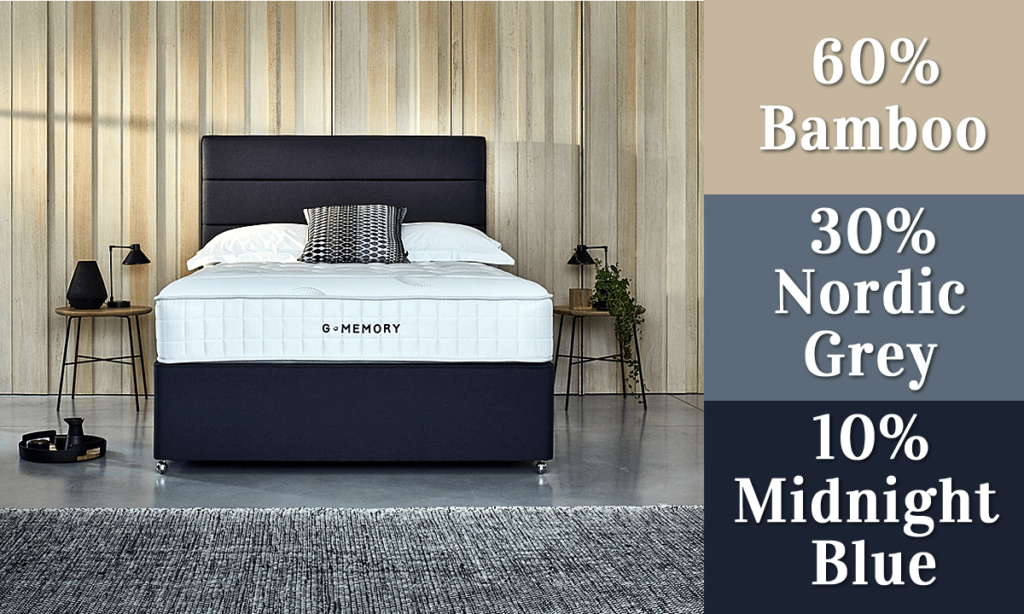
The 60-30-10 rule gives you the perfect formula for colour harmony: 60% of your main sleep-friendly colour, 30% of a complementary secondary colour, and just 10% for accent touches. This balanced approach creates visual calm without overwhelming your senses.
For peaceful bedrooms, introduce your accent colour through cushions, artwork, or a soft throw rather than large furniture pieces. Think subtle pops of colour that add interest without disrupting your sleep sanctuary's tranquil atmosphere.
Pair colours with soft lighting
Your lighting choices can make or break even the most perfectly chosen bedroom colours. Warm lighting measuring between 2700-3000K on the Kelvin scale creates that golden, relaxing glow that signals your body it's time to wind down.
Swap those harsh white bulbs for warm, yellow-toned ones to help align your natural circadian rhythm. Skip the overhead lights before bed—instead, use bedside lamps that provide gentle, localised illumination.
Incorporate calming textures
Texture adds depth to your colour scheme whilst enhancing the comfort factor. Your bedroom benefits from soft fabrics like cotton bedding, velvet cushions, and woven throws. Focus on fewer refined elements rather than cluttering your space with competing textures.
Test colours before painting
Don't make the mistake of choosing colours based on tiny paint chips. Paint large swatches—minimum 1×1 foot—on lining paper rather than directly on walls. Watch these samples at different times of day as natural light dramatically changes how colours appear.
Room orientation matters too. South-facing rooms make colours appear brighter, while north-facing rooms make them more muted.
Match colours with your personal style
Your perfect bedroom should tell your story. Studies show people actually fall asleep faster when their sleep space features their personally chosen colour. Surround yourself with items that genuinely make you smile—this positively impacts your mood both when waking and before sleeping.
Remember, the most scientifically perfect colour won't help if it doesn't feel right to you.
Your bedroom deserves the same attention you'd give any other important aspect of your wellbeing. Throughout this guide, you've discovered how powerful the right colours can be for quality rest—from blue's champion status to the soothing embrace of soft greens and gentle greys.
The science is clear. Blue delivers the longest sleep duration, whilst colours like green, white, light grey, beige, light pink, lavender, and soft yellow all create peaceful environments. On the flip side, red, bright orange, black, dark brown, and bold purple work against your sleep goals in measurable ways.
But here's what matters most: your perfect sleep environment is deeply personal. Someone might find lavender walls utterly relaxing, whilst another person sleeps best surrounded by soft beige tones. The 60-30-10 rule helps create visual harmony, but your emotional response to different hues should guide your final choices.
Don't forget the details that make all the difference. Ambient lighting, varied textures, and those meaningful personal touches all contribute to a truly restful space. Sometimes it's the smallest changes—swapping harsh white bulbs for warm yellow-toned ones or adding a soft throw in your chosen accent colour—that deliver the biggest improvements to your sleep quality.
Your sleep sanctuary awaits. Test your colours first, trust your instincts, and surround yourself with hues that genuinely make you feel peaceful and secure. The best bedroom colour scheme isn't necessarily the trendiest one—it's the one that helps you wake up refreshed and ready for whatever tomorrow brings.
Sweet dreams start with colours that work for you, not against you.
Discover how the right bedroom colours can dramatically improve your sleep quality and transform your nightly rest experience.
• Blue bedrooms deliver the longest sleep duration (7 hours 52 minutes average) by activating special retinal cells that calm your nervous system
• Avoid red, bright orange, and bold purple in bedrooms as these stimulating colours increase heart rate and brain activity, disrupting sleep
• Light, muted tones work better than saturated colours—soft blues, greens, and greys create tranquil environments without overstimulation
• Test paint colours with large swatches at different times of day before committing, as natural light dramatically affects how colours appear • Use the 60-30-10 rule: 60% main sleep-friendly colour, 30% complementary tone, 10% accent touches for optimal visual harmony
The science is clear: your bedroom colour directly impacts sleep quality through psychological and physiological responses. Whilst blue remains the champion for promoting rest, colours like soft green, light grey, and gentle lavender also create peaceful sanctuaries. Remember, the perfect bedroom balances evidence-based colour psychology with your personal comfort preferences.
Q1. What colour is scientifically proven to be the most effective for sleep?
Blue has been scientifically proven to be the most effective colour for sleep. Studies show that blue bedrooms are associated with the longest average sleep duration of 7 hours and 52 minutes per night. This is because blue light activates special retinal cells that help calm the nervous system, lower blood pressure, and slow heart rate.
Q2. Are there any colours that should be avoided in a bedroom?
Yes, certain colours should be avoided in a bedroom as they can disrupt sleep. Red, bright orange, and bold purple are particularly stimulating and can increase heart rate and brain activity. Black can also be problematic as it may create a heavy or confining atmosphere that can trigger anxiety or claustrophobia.
Q3. How does the brightness of a colour affect sleep quality?
The brightness and saturation of colours significantly impact sleep quality. Generally, light and muted tones work better for promoting restful sleep than vibrant, saturated colours. Softer versions of sleep-friendly colours like blue, green, and grey create a tranquil environment without overstimulating the senses.
Q4. What's the best way to test bedroom colours before committing?
To test bedroom colours effectively, paint large swatches (at least 1x1 foot) on lining paper and observe them at different times of day. Natural light can dramatically affect how colours appear, so it's important to see how they look in various lighting conditions. Also, pay attention to your emotional response to each shade before making a final decision.
Q5. Are there any tips for creating a sleep-friendly colour scheme?
Yes, a helpful guideline for creating a sleep-friendly colour scheme is the 60-30-10 rule. Use 60% of your main sleep-friendly colour, 30% of a complementary secondary colour, and 10% for accent touches. This balanced approach creates visual harmony without overwhelming the senses. Additionally, consider incorporating soft lighting and calming textures to enhance the overall sleep environment.