


403 Forbidden
ERR_WEB_NGX_403
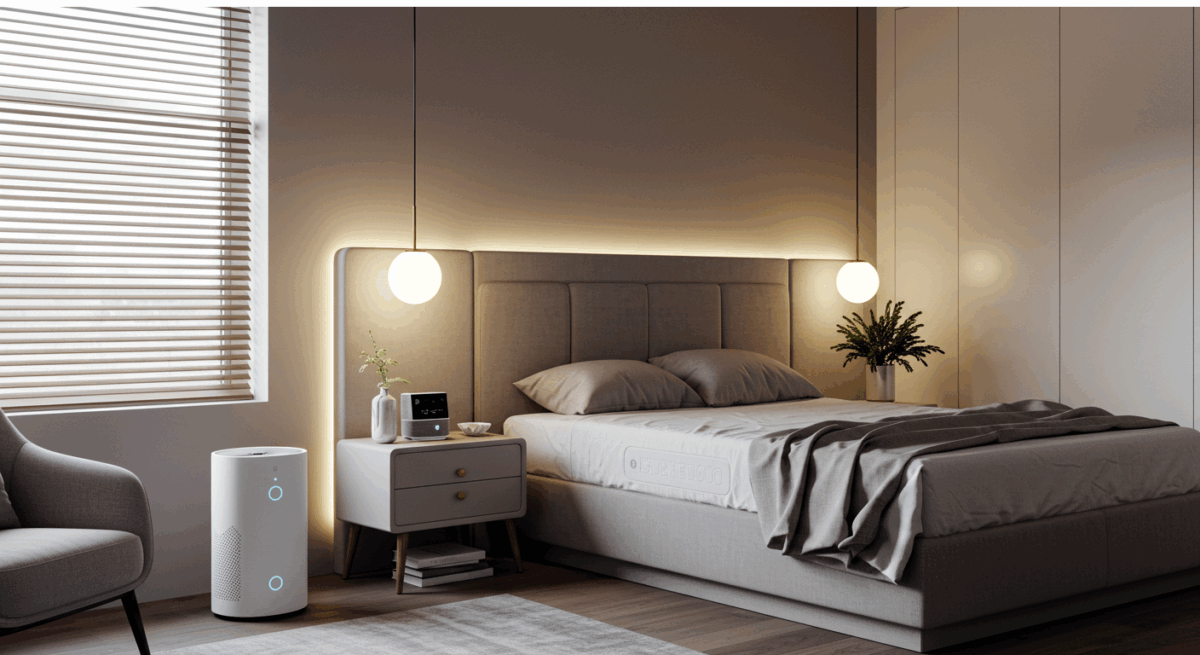
Your bedroom should be a place where you actually get proper rest, shouldn't it? Yet here's the thing – sleep technology might be working against you right now. Around 75% of children and 70% of adults use electronic devices in their bedroom or in bed, but we're only managing 6.6 hours of sleep on average. That's well below the 7-9 hours you actually need.
It's quite the puzzle, really. We spend roughly a third of our lives asleep, yet so many of us wake up feeling anything but refreshed. About 28% of people describe their sleep quality as "fairly bad", and using electronic devices can increase your risk of daytime sleepiness by up to 1.9 times.
But here's what's interesting – not all bedroom technology is the enemy.
The right sleep technology can actually work wonders for your nightly rest. Smart beds that adjust to how you sleep. Gadgets that help you drift off despite traffic noise or that annoying streetlight. Today's sleep technology offers real solutions to those stubborn sleep problems that have been bothering you for ages.
Whether you're dealing with the occasional restless night or something more persistent, this guide will show you exactly how to set up sleep technology that actually helps. You'll discover how to assess what's already in your bedroom, choose the right devices for your specific sleep challenges, and create a smart bedtime routine that works from night one.
Ready to wake up feeling properly refreshed? Let's turn your bedroom into a sleep sanctuary worth dreaming about.
Before you start shopping for sleep gadgets, you need to understand what's happening in your bedroom right now. Taking a proper look at your current setup will help you make smarter choices about which sleep technology will actually make a difference to your rest.
Quality sleep means spending about 85% of your time in bed actually sleeping—anything less suggests sleep disruptors might be affecting your rest. The tricky thing is, many sleep disruptors go completely unnoticed yet seriously impact how well you rest.
Start with a simple week-long tracking exercise. Note when you wake up during the night and what might have caused it. Even if you don't fully wake up, disruptions can prevent you from completing sleep cycles, which could increase your risk of serious health issues over time.
Common bedroom-based sleep disruptors include:

Studies show that noise-interrupted sleep can limit your motor skills, creativity, impair judgement, and make it difficult to remember things. The biological consequences are serious too – increased adrenaline production, faster heart rate, and potential increased risks of diabetes, depression, and hyperactivity.
Next, examine every electronic device currently in your bedroom. You'll probably be surprised by how many you find.
For each device, ask yourself:
Pay particular attention to screen-based devices. Even with dimmer "nighttime" screen settings, smartphones, televisions, and other screens produce artificial blue light that suppresses melatonin production, making falling asleep much harder. Studies have found that exposure to light sources with a lux of 10 or higher later in the day can lead to more nocturnal awakenings and less slow-wave sleep—the crucial portion of your sleep cycle for cell repair and bodily restoration.
Creating optimal sleeping conditions requires addressing three critical environmental factors:
Lighting: Your circadian rhythms are heavily influenced by light exposure. During the day, sunlight signals your brain to produce cortisol for alertness, whilst darkness triggers melatonin production for sleep. Check your bedroom for light leaks from windows, electronic standby lights, or hallways. Even small amounts of light can suppress melatonin and disrupt your sleep.
Noise: Most people need a quiet bedroom to sleep well. Your body is biologically hardwired to recognise noise even during sleep. Research shows that noise tends to be most disruptive during lighter sleep stages, but noise that awakens you from deep sleep causes the most damage. Consider whether traffic, household appliances, or partner snoring might be affecting your sleep quality.
Temperature: Many experts agree the ideal bedroom temperature for sleeping is around 18°C (65°F). Studies have found that participants sleep worse when room temperatures drop below 20°C (68°F) or rise above 25°C (77°F). People whose bedrooms reached 30°C (86°F) experienced a 5% to 10% drop in sleep efficiency. Your optimal temperature might vary slightly based on individual factors and bedding choices.
Once you've assessed these elements in your current bedroom setup, you'll have valuable insights into which sleep technology investments might offer the greatest benefits for your specific sleep challenges.

Which sleep devices will actually help you sleep better?
Once you've spotted what's disrupting your rest, it's time to find the right sleep technology to tackle those specific problems. The good news? Today's sleep gadgets range from simple solutions to seriously smart systems that can transform how you sleep.
What sleep technology options do you have?
Let's break down your main options:
Sleep trackers keep tabs on your sleep patterns and show you exactly what's happening during the night. You can choose wearable options like smartwatches, rings, and headbands, or go for under-mattress sensors and bedside monitors that won't disturb you. The best sleep trackers can detect your sleep stages, heart rate variability, breathing rate, blood oxygen levels, and skin temperature. Many also offer silent alarms that wake you with gentle vibrations rather than jarring sounds.
Smart beds and mattress accessories adapt to your body whilst you sleep. You might opt for a high-end smart mattress with built-in sensors, or choose more budget-friendly mattress toppers that regulate temperature. Some smart mattresses can even detect snoring and automatically adjust your position.
Sound management devices create the perfect audio environment for sleep. White noise machines offer 20+ built-in sounds to mask disruptive noises, whilst sleep headphones and earbuds can block unwanted sounds or play calming audio as you drift off.

Smart lighting mimics natural light patterns to improve your wind-down and wake-up routines. These devices help regulate your circadian rhythm for more consistent sleep.
How do you choose the right devices for your sleep problems?
Match your specific challenges with the right technology:
Struggling with noise disturbances? Consider active noise-cancelling headphones for consistent sounds like snoring or traffic, or passive noise-cancellation earbuds with masking sounds. One in five people in the UK aren't getting enough sleep partly due to noise issues.
Find yourself too hot or cold during the night? Explore climate-controlling mattress toppers that allow you to adjust your bed's temperature from hot to cool via your phone.
Want to track your sleep quality? Wearable devices like the Oura Ring, Whoop band, or smartwatches from Apple, Samsung, or Fitbit can provide detailed sleep insights. Research indicates that students who track their sleep with devices like Garmin watches tend to achieve better grades by maintaining consistent sleep schedules.
Dealing with snoring concerns? Consider smart pillows or mattresses that detect snoring and make adjustments, or devices like Smart Nora that inflate when a bedside companion detects snoring.
What should you budget for sleep technology?
Your investment can vary quite dramatically:
Budget-friendly options (under £25) include basic sleep headphones, white noise apps, and sleep masks.
Mid-range investments (£25-£150) encompass quality sleep trackers, white noise machines, and smart lighting.
Premium solutions (£150+) feature smart mattresses, advanced climate control systems, and comprehensive sleep tracking systems.
Don't forget about ongoing costs – many sleep devices require subscription fees to access their full functionality. Some sleep trackers charge monthly fees ranging from £3.97 to £15.88 for complete data access and personalised recommendations.
When selecting your sleep technology, evaluate both the upfront cost and any recurring expenses to determine the true long-term investment.
Get your sleep technology up and running
Once you've chosen your sleep devices, proper setup makes all the difference between gadgets that actually help and expensive dust collectors. The right configuration ensures everything works from night one.
Setting up smart beds and trackers
Placement is everything when it comes to sleep devices. For under-mattress sleep trackers, position the sensors centred beneath each pillow position if you have a king size bed. Got a queen or smaller bed? Place sensors closer to the bed edge to differentiate between sleepers. The good news is most trackers work with virtually any mattress type, including memory foam.
Wearable trackers like Fitbit watches or Oura rings need to fit snugly without cutting off your circulation. Nearly one in three Americans have used a sleep-tracking device, with 78% finding them helpful for monitoring sleep patterns.
Smart beds with built-in sensors require careful attention to manufacturer instructions for connecting power and sensors. These clever mattresses typically track sleep duration, sleep stages, and movement during the night. Many need a calibration period before first use to establish your baseline measurements.
Connecting devices to your home system
Most sleep technology connects to your home network for maximum functionality. Stay within 8 feet of your bed during setup until pairing is complete. You'll need to enable Bluetooth on your mobile device and location services for the sleep app in your device's settings menu.
For smart beds, install the manufacturer's app, create an account, and follow the guided setup process. Voice-activated bedtime sequences offer the most convenient way to integrate everything. Say "Hey Google, goodnight," and you can trigger multiple actions - dimming lights, adjusting thermostats, and activating white noise.
Google Nest users can take advantage of the Gentle Sleep and Wake feature, which gradually dims smart lights over 30 minutes before bed or brightens them to imitate sunrise. Perfect for synchronising with morning alarms for a more natural wake-up experience.
Testing and calibrating for accuracy
Don't skip the testing phase - it ensures your sleep technology delivers reliable data. Many devices undergo an initial calibration lasting up to 10 minutes, so avoid sitting on the bed during this time. Commercial trackers have shown promising accuracy levels in recent studies, with some performing as well as medical-grade actigraphy devices.
Keep things on track:
Proper setup and calibration means you'll collect accurate data over extended periods with minimal effort, creating the foundation for genuinely improved sleep quality and insights.
Getting your sleep technology to work properly means establishing a smart bedtime routine that actually sticks. Your brain needs that regular sleep-wake cycle to reset each day, which optimises both brain function and overall health.
Think of your wind-down sequence as the signal that tells your body it's time to switch off. Tech-based routines provide the consistency that sleep experts reckon is essential for making lasting changes. Here's what works:
Don't worry if you miss the odd day – research shows that occasional lapses won't derail your habit formation.
Smart lighting can completely change how your body prepares for sleep and waking. Dark red light actually helps your body release melatonin, which means you'll wake up feeling more refreshed. Studies have found that gradually fading lights at bedtime and brightening them during wake-up can significantly improve how well you feel you've slept.
Smart alarms detect when you're in your lightest sleep phase within your wake-up window (usually 10-45 minutes), so they can wake you gently when you're naturally closest to waking anyway. These clever systems use sound detection through your phone's microphone or wearable devices to monitor how much you're moving. The results speak for themselves – 80% of babies fall asleep with white noise, compared to just 25% without it.
Sound machines that produce white, pink, or brown noise can mask those annoying environmental sounds that keep you awake. Pink noise is particularly interesting – it's been shown to enhance deep sleep in older adults and even improve memory recall.
Here are some examples of sounds that are similar to or contain elements of pink noise:
Natural sounds:
Smart meditation apps can be set to open automatically at your chosen bedtime, whilst breathing guidance devices like Dodow project rhythmic light patterns onto your ceiling to help synchronise your breathing and activate your body's relaxation response.
Don't forget – the key is finding what combination works for your specific sleep challenges and sticking with it consistently.
How do you keep your sleep technology working for you long-term?
Your sleep devices need ongoing care beyond that initial setup weekend. Think of them as evolving tools rather than set-and-forget solutions – they'll only continue helping your sleep if you treat them that way.
Check your sleep data (but don't obsess over it)

Looking at your sleep metrics occasionally can help spot patterns, but here's something important to know: researchers have actually coined the term 'orthosomnia' to describe when people become unhealthily obsessed with perfecting their sleep data. This obsession can actually worsen insomnia and anxiety.
So when you do review your data:
Keep your devices updated
Your sleep apps and gadgets need regular updates to work properly. Most apps, like the Bose Sleep app (Only for Bose Sleepbuds™) , will automatically check for updates when you open them. The process is usually straightforward:
Updates typically take 5-10 minutes, and you'll often see indicator lights blinking whilst they're happening.
Know when to step back
Sometimes less really is more with sleep technology. One study participant mentioned they only wore their tracking device daily for a month whilst getting their sleep habits sorted, then switched to occasional check-ins when their sleep quality dipped.
You might want to scale back when:
Remember, simply tracking your sleep won't improve it – you need to establish healthy sleep habits and give yourself enough time for proper rest. Your technology should support your sleep, not stress you out about it.
Your sleep technology journey starts now
Sleep technology can genuinely change how you feel every morning – when you set it up properly. You've now got all the tools to assess your bedroom, choose the right devices, and create routines that work with your natural sleep patterns rather than fighting against them.
Keep in mind that your perfect sleep setup won't happen overnight. Your needs might shift over time, which means tweaking your technology setup every now and then. Regular app updates and the occasional recalibration will keep everything running smoothly and giving you accurate insights.
Here's the thing – your sleep technology should make life easier, not give you something else to worry about. If you find yourself getting stressed about sleep scores, it might be time to step back from certain devices. Better sleep is the goal, not perfect numbers.
The right combination of smart beds, noise machines, and sleep trackers really can solve those persistent sleep problems that have been driving you mad. But patience is key here. Your body needs time to adjust to changes, and finding your ideal setup might take a bit of experimenting.
Start small and build your sleep sanctuary
Pick one or two changes to begin with, then gradually add more as you discover what works best for your specific sleep challenges. Don't forget, you can always use sleep tracking apps to monitor your progress without overwhelming yourself with too much data.
Before you know it, you'll be wondering how you ever managed without your personalised sleep technology system. Sweet dreams are closer than you think.