


Sweet Dreams offer a vast collection of mattresses, bed frames and bedroom furniture. With everything manufactured in-house, their highly skilled team can create a range of products that look great and meet exacting standards of quality.
Free UK Delivery*

Pay In 3 With Klarna
Old Bed & Mattress
King Size Sweet Dreams
Read More
Filter
Filter
Clear All
Show
My Wish List
Filter
Filter
Clear All
Show
-
Base Type:

Sprung Slatted
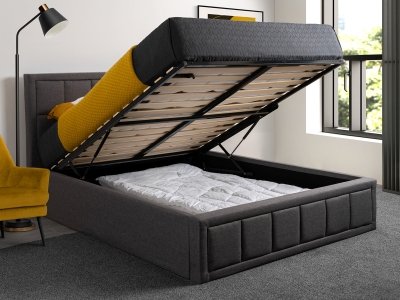
Cassia Ottoman Bed - Grey
Rating:96%FinishFabricBase TypeSprung SlattedStorageLift Up Storage
Free Delivery available within 14 - 28 Days
FromSpecial Price £409 .00 Regular Price £720.00Save £145.0036% off
1 Result
- 1
1
Mattress Protector FAQ's
What is a mattress protector?
A mattress protector is a specialized bedding accessory designed to shield your mattress from damage, stains, and allergens. It creates a protective barrier between your mattress and external elements, helping to extend its lifespan and keep it clean.
Key Benefits:
-
Spill and Stain Protection: Many mattress protectors are waterproof, preventing liquids from seeping into the mattress. This is especially useful for households with children or pets, as it helps avoid stubborn stains.
-
Allergen Protection: Hypoallergenic materials in many protectors block dust mites, mold, and other allergens, making them perfect for those with allergies.
-
Temperature Control: Breathable designs in some protectors promote airflow and regulate temperature, ensuring a cooler and more comfortable sleep.
Types of Mattress Protectors:
Mattress protectors are made from materials like cotton, polyester, and bamboo, each offering unique advantages. They come in a range of sizes to fit all mattresses, from twin to king.
Investing in a mattress protector is a simple yet effective way to maintain a clean, comfortable, and hygienic sleep environment, keeping your mattress in excellent condition for years to come.
Are mattress protectors waterproof?
Many mattress protectors are waterproof, crafted to create a strong barrier against spills, stains, and moisture. These waterproof options are particularly useful for homes with children, pets, or individuals who may experience nighttime accidents. By preventing liquids from soaking into the mattress, they help avoid issues like mold, mildew, and unwanted odors, preserving the mattress's quality.
How Waterproofing Works
Waterproof mattress protectors often include a specialized lining made from materials such as polyurethane or vinyl. These materials effectively block liquids while maintaining breathability, ensuring the mattress stays cool and comfortable.
Advantages of Waterproof Protectors
-
Stain Resistance: They guard against spills from drinks, food, or bodily fluids, keeping your mattress clean and fresh.
-
Allergen Protection: Many waterproof protectors are hypoallergenic, offering defense against dust mites and other allergens.
-
Easy Cleaning: Most are machine washable, making them simple to clean and maintain.
When choosing a mattress protector, opt for one clearly labeled as waterproof and review the materials to ensure it aligns with your requirements. A high-quality waterproof mattress protector is a practical investment for extending your mattress's lifespan and maintaining a healthy, comfortable sleep environment.
How often should I wash my mattress protector?
Regularly washing your mattress protector is crucial for maintaining hygiene and extending its lifespan. Typically, it’s advised to wash your mattress protector every 1 to 2 months, though this can vary based on usage and individual needs. Here are some factors to help determine the ideal washing frequency:
-
Usage Frequency
If you sleep alone and don’t have pets or children, washing every 2 months may be enough. However, if you share your bed with pets or young kids, consider washing it monthly to remove allergens, dirt, and potential stains. -
Allergies and Sensitivities
For those with allergies or asthma, washing more frequently—every 2 to 4 weeks—can help reduce dust mites, pet dander, and other allergens that build up over time. -
Accidents and Spills
If spills, accidents, or excessive sweating occur, wash your mattress protector right away to prevent stains and odors from becoming permanent.
Washing Tips
Always refer to the care label for specific instructions. Most mattress protectors are machine washable and can be tumble dried on low heat. Regular cleaning ensures a fresh, hygienic sleep environment and helps preserve the quality of your mattress.
How do I choose the right mattress protector for my bed?
Selecting the right mattress protector for your bed requires careful consideration of several factors to ensure both comfort and protection. Here’s a guide to help you make the best choice:
-
Size and Fit
Begin by choosing a mattress protector that matches your mattress size—twin, full, queen, or king. Opt for protectors with deep pockets or elasticized edges to ensure a secure fit, especially if your mattress is on the thicker side. -
Material
Mattress protectors are made from a variety of materials, such as cotton, polyester, and bamboo. Cotton is soft and breathable, polyester is durable and moisture-wicking, and bamboo is eco-friendly and hypoallergenic, making it a great option for those with allergies. -
Waterproof vs. Water-Resistant
Decide whether you need a fully waterproof protector, which offers complete protection against spills and stains, or a water-resistant one, which provides some protection while being more breathable. Waterproof protectors are particularly useful for homes with children or pets. -
Allergen Protection
If you suffer from allergies, look for a hypoallergenic mattress protector that shields against dust mites, mold, and pet dander. -
Ease of Maintenance
Review the care instructions before purchasing. Most protectors are machine washable, but some may require special handling. Choosing one that’s easy to clean will help keep your mattress fresh and hygienic.
By taking these factors into account, you can find a mattress protector that suits your needs and enhances your sleep environment.
What is a king size?
A king-size provides more width than a standard double, offering additional comfort for couples who need more room to sleep comfortably.
UK King Size Dimensions
- Width: 150 cm (5FT)
- Length: 200 cm (6FT6)
A king-size is a popular choice for those who want more sleeping space than a standard double but may not have room for a super king. It balances space, comfort, and suitability for various bedroom sizes.
What are the benefits of a king size?
A king-size offers several benefits, particularly for those who value space and comfort in their sleeping arrangements. Here are some of the main advantages:
Benefits of a Kingsize
1. Ample Space:
- A king-size provides plenty of room for couples to sleep comfortably without disturbing each other. This is especially beneficial for those who are restless sleepers or have different sleep patterns.
2. Comfort:
- The larger sleeping area can contribute to a better night's sleep, as individuals can stretch out and move around freely.
- Ideal for taller individuals who require more legroom.
3. Family-Friendly:
- Perfect for families with children or pets who like to join in bed. The extra space accommodates everyone without feeling cramped.
- Useful for parents who co-sleep with young children or need space for kids who occasionally join them during the night.
4. Aesthetics and Luxury:
- A king-size can make a statement in the bedroom, adding a touch of luxury and elegance.
- It can become the focal point of the room, enhancing the overall design and atmosphere.
5. Health Benefits:
- Reduces disturbances from partner movements during the night, leading to improved sleep quality.
- Provides more options for comfortable sleeping positions, potentially reducing back and joint pain.
6. Versatility:
- More flexibility in sleeping arrangements, such as adding extra pillows or sleeping diagonally.
- Can accommodate a variety of activities beyond sleeping, such as reading, watching TV, or working on a laptop, with plenty of room for pillows and blankets.
7. Resale Value:
- Investing in a high-quality king-size can potentially increase the resale value of your bedroom set if you ever decide to sell it.
8. Shared Bedtime:
- Provides space for couples to engage in activities together, such as watching movies or reading, without feeling cramped.
Overall, a king-size is an excellent choice for those who prioritize comfort, space, and luxury in their sleeping environment.
Who should buy a king size?
A king-size is a great investment for anyone who values space and comfort in their sleeping arrangements. Here are some specific situations and types of individuals who might benefit most from purchasing a king-size:
1. Couples:
- Couples who prefer more personal space while sleeping can greatly benefit from the extra width of a king-size,
- Those who experience sleep disturbances from their partner’s movements will appreciate the reduced motion transfer in a king-size.
2. Taller Individuals:
- People who are taller than average may find that the additional length of a king-size offers more legroom and comfort compared to smaller sizes.
3. Families with Children or Pets:
- Families who co-sleep with young children or share with pets will appreciate the extra space a king-size provides, allowing everyone to sleep comfortably without feeling crowded
- Parents who occasionally have their kids join them for nighttime comfort or morning cuddles will find the space accommodating.
4. Individuals with Health Concerns:
- People who suffer from back or joint pain may benefit from the ability to spread out and change positions easily, which can help reduce pressure points and improve sleep quality.
- Those who require additional pillows or sleep aids for conditions such as sleep apnea may find a king-size more accommodating.
5. People Who Enjoy a Luxurious Sleep Environment:
- Individuals who prioritize luxury and aesthetics in their bedroom will appreciate the king-size's ability to serve as a statement piece, enhancing the room's overall design and atmosphere.
- Those who enjoy a hotel-like sleeping experience at home will find the king-size’s spaciousness appealing.
6. Active Sleepers:
- People who tend to move around a lot during the night will appreciate the extra space to stretch out and shift positions without disturbing a partner.
7. Homeowners with Large Bedrooms:
- Those who have a large master bedroom will find that a king-size fits proportionately, providing ample space for the bed and other furniture while maintaining a balanced aesthetic.
Conclusion
Overall, a king-size is ideal for couples, families, or individuals who want more space and comfort in their sleeping arrangements. It provides an excellent balance of luxury and functionality, making it a worthwhile investment for many people.
Are there any different references used for a king size?
Yes, the term "king-size" can have different meanings depending on the region and specific variations. Here are the different references and types of king-size commonly found:
Variations of King-Size
1. Standard King (Eastern King)
- Dimensions (U.S.): 76 inches wide by 80 inches long (193 cm x 203 cm)
- Use: This is the most common king-size in the United States, providing ample width for couples who want more space than a queen-size bed.
2. California King
- Dimensions (U.S.): 72 inches wide by 84 inches long (183 cm x 213 cm)
- Use: Popular on the West Coast, the California King is longer but slightly narrower than a Standard King, making it ideal for taller individuals.
3. UK King
- Dimensions (UK): 60 inches wide by 78 inches long (150 cm x 200 cm)
- Use: The UK king-size is slightly smaller than the U.S. king, but larger than the UK double, offering more space for couples in the UK.
4. UK Super King
- Dimensions (UK): 72 inches wide by 78 inches long (180 cm x 200 cm)
- Use: The largest standard size in the UK, providing ample space for couples who want the ultimate in comfort.
5. Split King
- Dimensions: Typically the same as a Standard King but divided into two twin XL mattresses (each 38 inches wide by 80 inches long)
- Use: Allows for different mattress firmness or adjustable bases on each side, offering individualized comfort for couples.
6. European King
- Dimensions (EU): 63 inches wide by 79 inches long (160 cm x 200 cm)
- Use: Slightly wider than the UK king, the European King is common in mainland Europe and provides a comfortable option for couples.
Conclusion
When choosing a king-size, it's important to consider the specific dimensions and regional standards that apply to ensure it meets your needs and fits your space. The various king-size options provide flexibility and customization, allowing you to select the best option for your comfort and room layout.
What are the disadvantages of a king size?
While a king-size offers many benefits, such as increased space and comfort, there are also some potential disadvantages to consider:
Disadvantages of a King-Size
1. Cost:
- Higher Initial Investment: King-size and their associated bedding, such as sheets, duvets, and mattress protectors, are typically more expensive than smaller sizes.
- Maintenance Costs: The larger size may lead to higher costs for cleaning and replacing bedding and mattress accessories.
2. Room Size Requirements:
- Space Constraints: A king-size requires a larger bedroom to accommodate its dimensions comfortably while leaving enough space for movement and other furniture. In smaller rooms, a king-size might make the space feel cramped.
3. Mobility and Handling:
- Difficult to Move: King-size can be heavy and cumbersome, making them challenging to move or reposition, particularly if you are relocating or redecorating frequently.
- Assembly: Assembly can be more complex and time-consuming compared to smaller sizes, requiring more effort to set up.
4. Cost of Accessories:
- Bedding Costs: King-size bedding, including sheets, comforters, and mattress protectors, is often more expensive and may require special sizes or custom options.
- Storage: Larger bedding and accessories may require more storage space when not in use.
5. Room Layout:
- Limited Flexibility: In smaller rooms, a king-size can limit your options for arranging other furniture and might restrict the flow of movement within the room.
- Visual Balance: In a small room, a king-size might dominate the space, affecting the overall aesthetics and balance of the room.
6. Heat Retention:
- Warmth: Larger sizes may retain more heat, which can be a disadvantage in warmer climates or for individuals who prefer a cooler sleeping environment. However, this can also be mitigated with appropriate bedding.
7. Comfort and Use:
- Space vs. Intimacy: While the extra space can be comfortable, some people may prefer a smaller size for a cozier or more intimate feel, especially if they like to be close to their partner during sleep.
8. Maintenance:
- Mattress Maintenance: A larger size can be harder to clean and maintain, especially if it becomes stained or needs to be rotated or flipped regularly.
Conclusion
A king-size provides substantial benefits in terms of space and comfort, but these advantages come with some trade-offs, including higher costs, space requirements, and practical considerations for handling and maintenance. Assessing these potential disadvantages in relation to your specific needs and room size can help determine whether a king-size is the right choice for you.
Question not here?
Our customer services team are here to help and answer any questions. Get in touch and we'll be happy to help.
Get in touch What's this? Check "Remember Me" to access your shopping cart on this computer even if you are not signed in.