


403 Forbidden
ERR_WEB_NGX_403
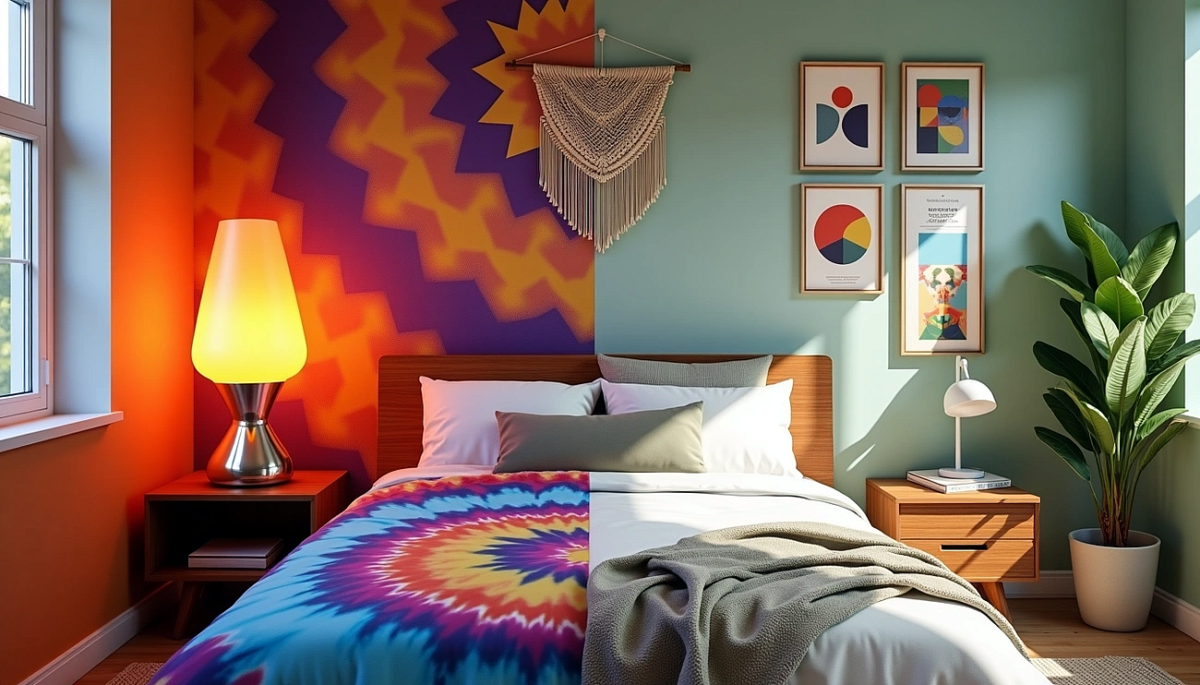
Ever noticed how interior design trends seem to come back around every 30 years? The 1960s bedroom, bursting with pure joy, peace and love, continues to influence your space today in ways you might not even realise.
Whether you're drawn to those psychedelic patterns of retro 60s interior design or you're simply curious about how bedroom styles have evolved over time, the journey from flower power to smart technology is absolutely fascinating. The last 60 years have been quite the ride for interior design, taking our most personal spaces from basic sleeping quarters to the personalised sanctuaries we know today.
Your bedroom tells a story about cultural shifts and personal expression – from the bohemian spirit of 60s interior design bedrooms right through to today's eclectic trends that beautifully blend past and present. Today's bedroom trends embrace innovative technology while putting comfort first, yet they still carry echoes of those swinging sixties styles that changed home decor forever.
Ready to discover how bedroom designs have evolved through the decades? You'll find out why certain 60s interior design trends keep making a comeback, and what exciting developments await as we approach 2026.
The Swinging Sixties brought a cultural revolution that completely redefined interior design. Homes became canvases for personal expression, breaking free from conservative decades past. This was rebellion against tradition at its finest. And by 1965, interiors reflected a bold new spirit of experimentation that would influence design for generations to come.
Bold colours and psychedelic patterns
Your 1960s bedroom palette exploded with vibrant oranges, electric blues, lime greens, and purples – often deliberately clashed for maximum impact. These bold hues paired beautifully with contrasting neutrals like white, black, and grey to create striking visual effects. Pop art and op art made their way into interiors, bringing mass culture references and movement-simulating patterns onto walls and furniture. Psychedelic designs featuring swirls, paisley patterns, and geometric motifs dominated wallpapers and fabrics, creating spaces that seemed to pulse with energy.
Flower power and bohemian textures
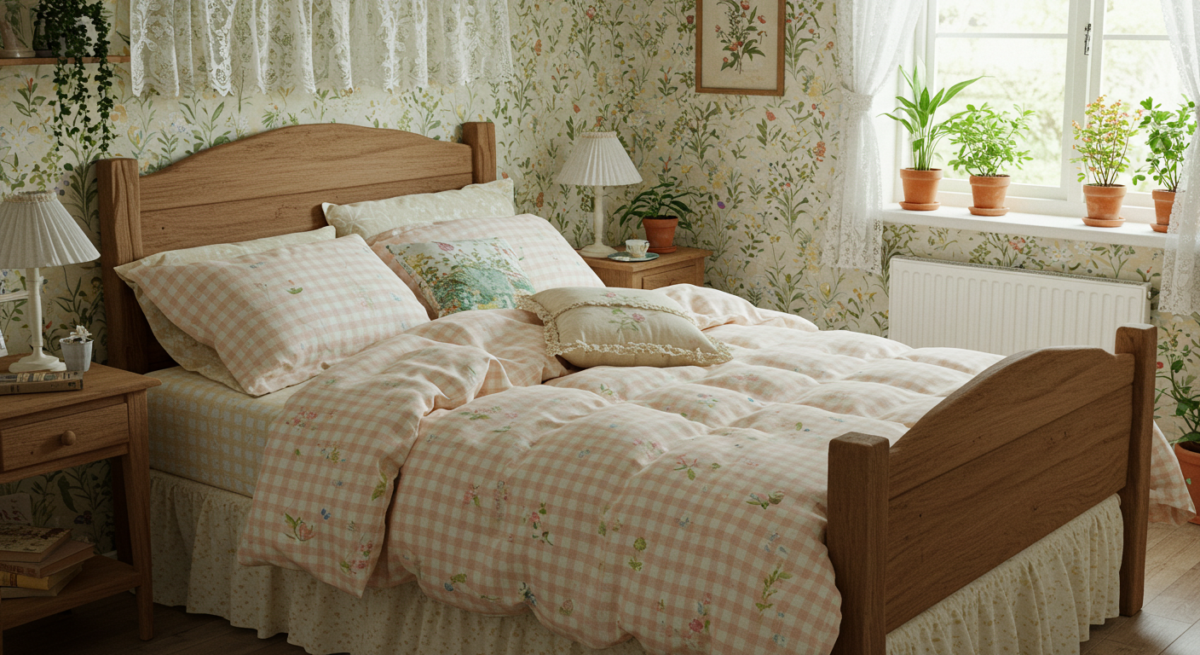
The rise of hippie culture introduced a fresh bohemian aesthetic to bedrooms across Britain. Floral motifs spread across rugs, fabrics, and furniture as the "bloomcore" influence took hold. Many embraced "tenting" their bedrooms with drapes made from saris and Indian cotton bedspreads for that authentic "hippy-harem" look. Shag carpets added tactile comfort, particularly in conversation pits and relaxed bedroom spaces. Rattan, natural materials, and earthy textures became essential elements of bohemian bedroom style, reflecting a growing desire for connection with nature.
Iconic pieces: mushroom lamps and lava lights
Lighting became the star of 60s interior design, with innovative forms taking centre stage. Mushroom-shaped lamps featured rounded caps and slender stems, often crafted from colourful plastic or glass that emitted soft, diffused light.
The lava lamp, invented by Edward Craven Walker in 1963, became the era's most iconic piece. Other distinctive lighting included Moroccan-inspired lamps, neon-fibre optic models that changed colour, and those ubiquitous paper lampshades. Furniture embraced futuristic shapes with pieces like egg chairs and bubble chairs reflecting space-age influences.
How 60s interior design bedroom styles shaped the future
The experimental spirit of 60s interior design continues to resonate with today's homeowners who want spaces that reflect their personalities rather than cookie-cutter aesthetics. Modern revivals often incorporate gentler, earthy versions of the original vibrant palettes. Curved, sculptural statement furniture has made a significant comeback, as have geometric patterns in rugs and artwork. Today's designers appreciate how 60s style balances timeless elegance with approachable comfort – qualities that perfectly meet our current desire for authentic, emotionally connected spaces.
After all that psychedelic energy from the 60s, interior design took a more grounded approach. British homes welcomed a fresh era of self-expression, and your bedroom became the perfect place to experiment with new styles.
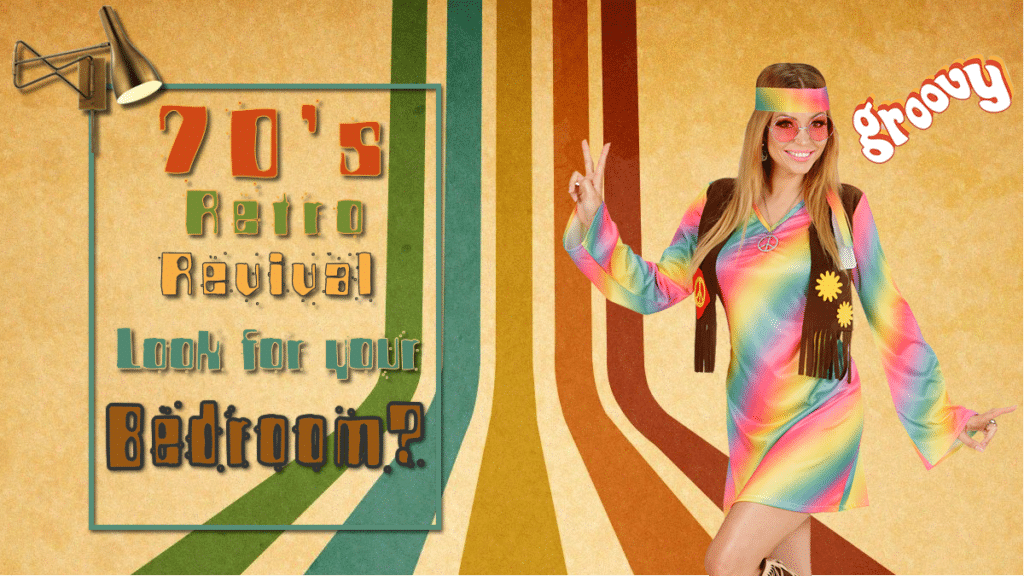
The 1970s bedroom embraced warmth through earthy colour palettes – think rich browns, deep burgundies, and those gorgeous burnt oranges that made everything feel cosy. This decade championed natural materials and biophilic elements, with houseplants becoming must-have decorative features. Low-slung furniture invited you to sink in and truly relax.
Texture became everything during this era. Shag carpets provided that plush underfoot comfort in bedrooms across Britain, while rattan and wicker furniture brought an airy, bohemian quality that looked stunning against velvet upholstery and macramé wall hangings. The secret was balancing different materials to create depth and visual interest in your space.
Your 70s bedroom accessories might have included:
"More is more" became the battle cry of the 1980s, and bedrooms certainly didn't hold back. Bold geometric shapes, clashing patterns, and vibrant colour combinations – especially pink and green – ruled the decade. Ettore Sottsass founded the Memphis design movement in 1980, bringing unconventional, deliberately outrageous furniture to British bedrooms.
Memphis design threw traditional "good taste" out the window with asymmetrical elements, bright contrasting colours, and playful shapes that demanded attention. Meanwhile, large tropical houseplants like Kentia Palms, Swiss Cheese plants, and Monsteras became the statement pieces every bedroom needed.
Chrome, glass, and lucite gained popularity alongside pastel-coloured laminate surfaces. Your bedroom likely featured matching wallpaper and curtains, complete with frilled cushions and dramatic window dressings that made every morning feel like a theatrical entrance.
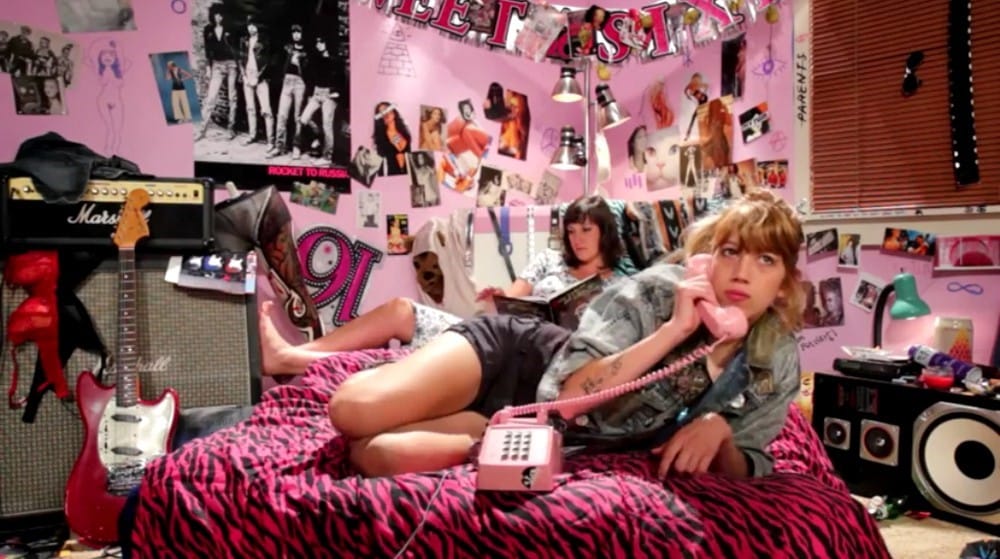
The early 1990s brought a dramatic shift as minimalism emerged in response to 80s excess. British interiors discovered Scandinavian influences, featuring light woods like pine and birch paired with neutral colour schemes that felt refreshingly calm.
Grey made its debut as a popular bedroom colour, loved for its versatility and practical ability to hide marks. Cool metals like stainless steel complemented these understated palettes, creating contemporary spaces with clean, uncluttered lines.
Don't think the 90s were all serious though – this "pick and mix" era embraced quirky touches like inflatable furniture, beaded doorway curtains, and yes, even brought back those beloved lava lamps. The decade prioritised function and comfort over showing off, with Scandinavian design philosophy emphasising that good design should be accessible and practical for everyone.
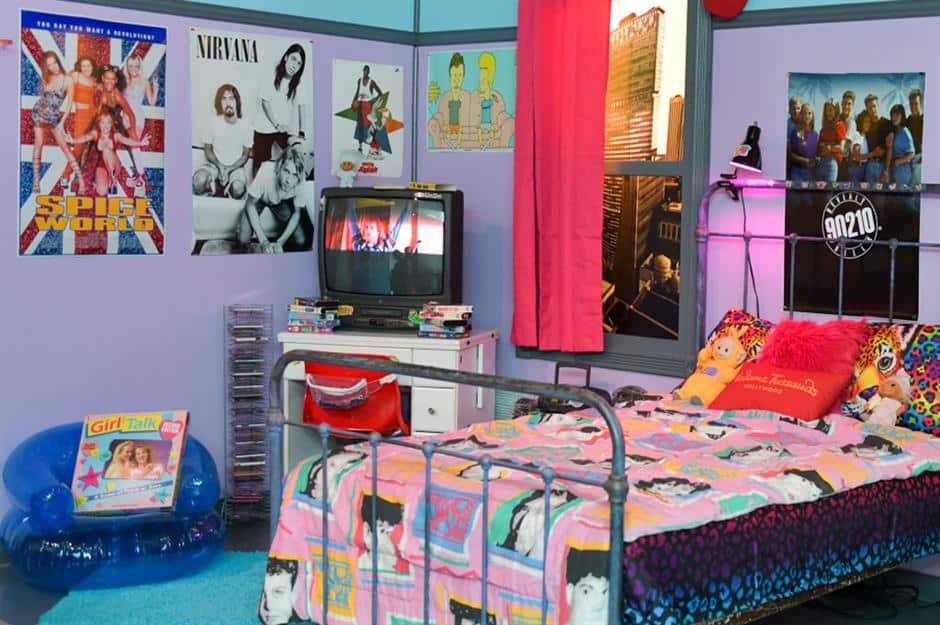
The millennium brought another exciting shift to British bedrooms, moving away from those minimalist 90s vibes towards spaces that felt much more personal and emotional.
What a time the early 2000s were for bedroom design! The Y2K aesthetic burst onto the scene with inflatable furniture, hot pinks and luminous greens that made bold visual statements you simply couldn't ignore. This was definitely a rebellion against all that minimalism – sparkly, high-shine surfaces took over bedroom décor with enthusiasm.
Shabby chic became hugely popular during this period, offering that comforting, vintage-inspired feel with distressed furniture and gorgeously soft textiles. Though it first appeared in the 1980s, this style enjoyed a real renaissance as people craved warmth and familiarity in their homes.

Open-plan living became the thing to have. Walls came down left, right and centre as homeowners redesigned their properties to let natural light flow through spaces that had been chopped up before. The result? Flowing, multifunctional areas that felt so much more spacious.

Enter hygge – that lovely Danish concept that swept through British culture during the 2010s. Cosy contentment through soft textures and ambient lighting was exactly what we needed to balance our increasingly digital lifestyles.
Gallery walls emerged as one of the decade's biggest trends, with homeowners creating personalised displays of artwork, photographs and typographic prints that told their own stories. Grey became THE neutral shade for most of the decade, often paired with yellow to create that perfect balance of calm and energy.
Mid-century design made a powerful comeback in the early 2010s, helped along by reproductions of classic pieces becoming much more accessible. Geometric shapes influenced everything from fabric design to wallpaper and carpeting throughout the decade.

The clean lines and understated forms of mid-century modern pieces proved remarkably versatile – they blended beautifully with other styles to enhance virtually any interior. It's easy to see why this timeless aesthetic captured so many hearts.
The 2020s have brought quite the shift to bedroom design. Technology and sustainability now sit at the heart of our living spaces, and your bedroom needs to balance clever innovation with conscious choices.
Gone are the days when your bedroom was just for sleeping. Smart technologies now blend seamlessly into your furnishings and fixtures, creating spaces that actually adapt to you. Voice-controlled lighting systems work alongside temperature management and entertainment to create environments that respond to your preferences.
Furniture designers are getting clever too, hiding technology like charging stations and digital displays that react to environmental factors. This isn't just about convenience—smart thermostats and lighting systems can significantly cut your energy consumption whilst keeping your space looking beautiful.

British homeowners are putting sustainability first when redesigning their bedrooms, and it's about time too. Furniture crafted from reclaimed wood, organic cotton, and recycled materials has moved from niche to mainstream choice. These eco-friendly choices offer guilt-free comfort whilst creating healthier spaces for you to sleep and relax.
Many manufacturers now source timber from ethically managed forests, with some able to trace materials back to specific local mills. Sustainable pieces might cost more upfront, but their durability makes them worthwhile investments that age beautifully with proper care.
Want a space with genuine character rather than showroom sterility? Finding balance between old and new is your answer. Vintage furniture—especially well-crafted pieces from the 60s and 70s—brings warmth and history to contemporary spaces.
Many designers follow the 20% vintage, 80% modern rule for a curated rather than cluttered effect. Your bedroom can successfully blend eras by featuring statement vintage items like dressers or mirrors alongside contemporary bedding and lighting. This approach creates spaces that feel uniquely yours whilst remaining functional.
Remember, the best bedroom colour is the one that makes your space feel like your own personal sanctuary. Whether you go bold with these bedroom colour trends for 2026 or choose something completely different, trust your instincts. Your bedroom should tell your story, support your sleep, and most importantly, make you feel genuinely happy to be home.
Smart furniture with enhanced customisation will become standard, yet there's also growing appreciation for British craftsmanship and traditional techniques applied to modern designs. Sustainable biomaterials will keep improving in quality and performance, positioning themselves not as environmental compromises but superior options.
Planning a bedroom renovation? The advice remains consistent: invest in high-quality foundation pieces with classic designs, then incorporate trend elements that genuinely resonate with your personal style.
The journey through British bedroom design shows just how beautifully our most intimate spaces mirror broader cultural shifts and personal values. We've seen bedrooms evolve from vibrant expressions of counterculture right through to today's technology-enhanced sanctuaries. The cyclical nature of design rings true – those psychedelic 60s elements keep popping up in our modern eclectic interiors.
What's fascinating about this design evolution is how each era builds upon what came before whilst adding its own unique twist. The bold self-expression of the 60s paved the way for 80s maximalism, which later sparked those gallery wall trends we loved in the 2010s. Those earthy 70s tones?
Contemporary bedroom design doesn't simply recycle past trends – it thoughtfully reinterprets them through today's lens. Our focus on sustainability gives vintage furniture appreciation fresh purpose, while smart technology enhances rather than replaces that comfort-centred philosophy we embraced with hygge.
Your bedroom serves as both personal sanctuary and cultural snapshot – a space where history, function, and self-expression come together perfectly. Whether you love elements of retro 60s interior design or you're excited about cutting-edge smart furniture, the most successful bedrooms strike that sweet spot between nostalgia and innovation. This harmony between past influences and future possibilities will keep shaping how we create our most personal spaces for years to come.