



Table of Contents
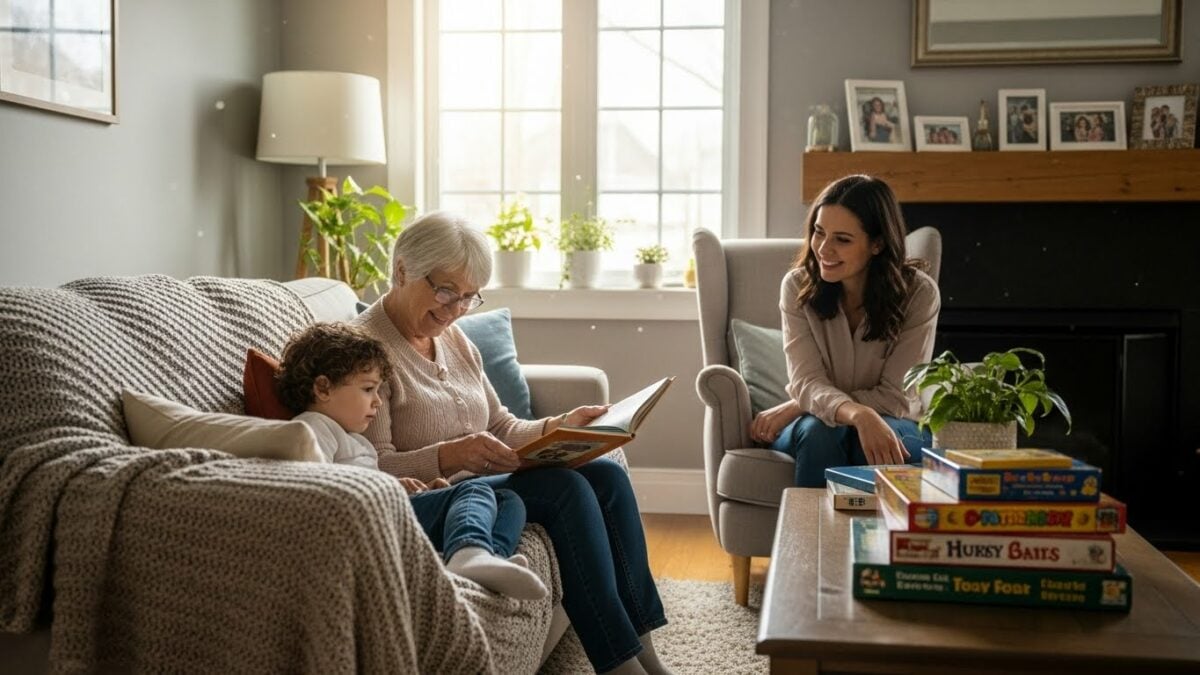
Your family home should work for everyone under your roof. Whether that's grandparents, parents, and children all sharing one space, or adult siblings making the most of rising housing costs, multigenerational living is back in a big way across British homes.
Remember when families naturally lived together, with several generations sharing the same roof? That tradition is making a comeback, and for good reason. With housing prices soaring and the need for family support stronger than ever, more households are discovering the practical benefits of pooling resources and creating supportive living arrangements.
But here's the challenge: how do you make shared bedrooms work when you're dealing with completely different age groups, lifestyle needs, and privacy requirements?
Whether you're bringing households together out of necessity or choice, shared bedrooms often become the biggest hurdle. Small rooms, privacy concerns, and vastly different sleep schedules can turn what should be a harmonious arrangement into a daily struggle.
Don't worry – you can create shared spaces that actually work for everyone. From clever room dividers that give each person their own zone to flexible furniture that adapts as your family's needs change, there are plenty of smart solutions to explore.
Whether you're setting up a parent-child arrangement or helping adult siblings share space comfortably, these practical ideas will help you turn potential conflicts into peaceful coexistence.
Why Shared Bedrooms Matter in Multigenerational Homes
Let's be honest – shared bedrooms often start as a financial necessity. But once families experience the reality of living together, they discover these spaces offer far more than just cost savings.
Economic and emotional reasons for shared rooms
Shared bedrooms deliver real financial relief across generations. Multi-generational households significantly reduce living costs by sharing common resources such as housing, utilities, and transportation. Better yet, this arrangement allows families to potentially 'upgrade' their lives, moving to safer neighbourhoods or more desirable locations that might otherwise be unaffordable.
The money benefits work for everyone:
- Young adults struggling with housing affordability can save towards their own future homes
- Parents gain additional income when adult children contribute to household expenses
- Older relatives can reduce care costs when living with family members
Beyond the bank balance, shared bedroom arrangements tap into deeper emotional needs. Research indicates multigenerational living arrangements can buffer stress, reduce loneliness, and enhance intellectual sharing. For seniors, daily interactions with younger family members can help maintain cognitive function and protect memory. Living with different generations creates a genuine sense of belonging while building mutual understanding and empathy.
How shared bedrooms support caregiving and connection
Shared bedrooms naturally become centres for family support. Studies show that over 1 million families have given up their own beds so children have somewhere to sleep. This willingness to share reflects how families prioritise each other's wellbeing.
These arrangements create beautiful opportunities for connection. Grandparents can spend quality time with grandchildren through bedtime stories or morning routines. These interactions become natural moments for passing down cultural traditions and values. Parents receive practical support through shared childcare responsibilities—trusted family members who can step in when needed.

The social support from multi-generational households tends to consist of stronger structural ties. These connections mean household members can lend or give money to members in need, providing psychological reassurance while reducing financial strain. Rather than feeling isolated, family members benefit from having others to "laugh with in good times, and lean on in bad times".
The key is designing shared bedroom ideas that honour both privacy and connection.
Creating Flexible Layouts for All Ages
Getting your layout right is absolutely crucial for multigenerational bedroom success. You want spaces that feel fair for everyone whilst giving each person room to be themselves.
How should you zone your shared bedroom?
Start with equal territory – nobody wants to feel short-changed on space. If you're dealing with siblings of different ages, position the younger child's bed closest to the door to avoid disturbing the older one during those inevitable midnight wanderings.
Think about creating distinct zones that work for everyone:
• Sleep areas with enough privacy for comfortable rest
• Work or study spaces with proper lighting for each age group
• Play or relaxation zones that reflect different interests
These zones help everyone feel they have their own corner whilst maintaining that sense of togetherness that makes shared living worthwhile.

What works best for parent-child arrangements?
Parent-child bedroom sharing requires a delicate balance between grown-up style and child-friendly practicality. Create a cosy nook for your child's bed to give them that special room-within-a-room feeling, then tie everything together with consistent wall colours.
Why not install wardrobes with adjustable interiors? You can keep everyday items at child height whilst storing seasonal or safety-sensitive bits higher up. For workspaces, an adult-sized desk works perfectly – just add a junior chair for your little one, plus some wall-mounted storage slightly above their reach for art supplies that need supervision.
Which furniture adapts as your family grows?
Smart furniture choices make all the difference for long-term success. Bunk beds are brilliant – they free up floor space for play, separate into individual beds as children grow older, or even integrate desks underneath for study areas. Ottomans with hidden storage serve double duty, providing extra seating whilst tucking away toys and blankets.
Look for pieces that work harder, like expandable tables that double as homework stations, or wall-mounted fold-down desks that disappear when you need more space. This clever approach keeps your shared bedroom functional no matter what life throws at you.
Designing for Privacy Without Isolation
Everyone needs their own space, even when you're sharing a bedroom. The trick is creating boundaries that give each person privacy without cutting them off from family life completely.
Shared bedroom divider ideas for visual separation
Wall panel room dividers are your budget-friendly solution for instant separation. You can pick up small panels from B&Q starting at just £5, and these push-fit connections give you secure partitioning without any permanent construction work. Freestanding screens work brilliantly too – they create flexible divisions whilst adding a decorative touch to your space.
For siblings who need their own territories, IKEA's KALLAX units are worth their weight in gold. Position one centrally across the room and you'll get both storage and separation in one clever solution.
Using curtains, bookshelves, and sliding panels
Ceiling-mounted curtain systems like IKEA's VIDGA rails offer brilliant flexibility – they can navigate around corners and be drawn back completely when you want to open up the space. Perfect for when you need privacy at bedtime but want to feel connected during the day.
Bookshelves serve double duty here. Tall units create clear boundaries whilst giving you valuable storage space. Choose open étagère styles if you want to maintain airflow and light, or go for closed units when you need more substantial division.
Maintaining personal identity in shared spaces
Your personality shouldn't disappear just because you're sharing quarters. Give each person their own exclusive section of the room – even if it's just the area around their bed – to reinforce their right to personal space.
Colour blocking works wonders for establishing visual ownership. Let each occupant choose their own colour palette for bedding and accessories around their sleeping area. Simple touches like individual display shelves for treasured items or personalising furniture with washi tape help everyone feel their preferences actually matter.
Takeaway Tip: Privacy doesn't mean isolation. The best shared bedrooms give everyone their own space whilst keeping the family connection alive.
How do you make a shared bedroom work for everyone?
The difference between a shared bedroom that works and one that doesn't often comes down to the smallest details. Get the practicalities right, and you'll create a space where everyone feels comfortable and respected.
Making small shared bedrooms feel spacious
Small rooms need smart furniture placement to avoid feeling cramped. Try positioning twin beds against opposite walls with a shared dresser in between – this gives everyone equal space whilst creating natural boundaries. L-shaped bunk bed arrangements work brilliantly too, especially when you need to accommodate both adults and children. The larger bottom bunk suits grown-ups, whilst kids enjoy having their own elevated sleeping area.
Getting the lighting and ventilation right
Different generations have completely different lighting needs. Older family members typically need brighter illumination than younger ones, so install bedside lamps with separate high and low switches. Add dimmer switches to your main lighting so everyone can adjust the brightness to suit their preferences.
Fresh air is crucial, particularly in shared spaces. Open windows regularly or install an extractor fan to prevent moisture buildup – poor ventilation can trigger breathing problems, especially for elderly relatives.
Smart storage solutions that work for everyone
Maximise your vertical space with these storage hacks:
- Wall-mounted shelving for books and personal treasures
- Under-bed rollaway drawers for seasonal clothes and spare bedding
- Ottomans with hidden storage – extra seating and tidying space in one
Safety considerations for older relatives
If elderly family members are sharing the room, a few simple additions make a huge difference. Install grab bars near the bed to help with standing up and sitting down. Adjustable-height beds make getting in and out much easier.

Replace any slippery rugs with non-slip alternatives and keep pathways completely clear of clutter to prevent trips and falls. Motion-activated LED lights are particularly helpful – they automatically illuminate the room when someone gets up during the night, providing safety without disturbing others.
Your shared bedroom success story starts here
You've got all the tools you need to create shared bedrooms that actually work for your multigenerational family. What might seem like a daunting challenge can become one of your home's greatest success stories.
Yes, financial pressures might have sparked your initial decision to share living quarters. But the real magic happens when you discover how these spaces can strengthen family bonds in ways you never expected. Grandparents reading bedtime stories, adult siblings supporting each other through life changes, parents and children sharing morning routines – these moments become the foundation of lasting family connections.
The key lies in getting the practical elements right first. Smart zoning gives everyone their own territory. Flexible furniture grows with your changing needs. Simple room dividers create privacy without cutting off the family connections that make this arrangement so valuable.
Don't forget the details that make or break shared living arrangements. Proper lighting for different ages, clever storage solutions that work for everyone, and accessibility features for older family members – these practical considerations determine whether your shared bedroom becomes a source of harmony or frustration.
Shared bedrooms aren't just about making the most of limited space. They're about creating environments where different generations can thrive together, supporting each other through life's ups and downs whilst maintaining their individual identities.
Your thoughtfully designed shared bedroom won't just solve a housing challenge – it'll become the heart of a stronger, more connected family. And that's something worth designing for.
Key Takeaways
Creating successful shared bedrooms for multigenerational families requires balancing privacy with connection whilst addressing practical needs across all age groups.
• Zone your space strategically - Divide bedrooms into equal sections with designated sleep, work, and relaxation areas to prevent conflicts and ensure everyone feels they have personal territory.
• Invest in flexible, convertible furniture - Choose bunk beds that separate, ottomans with storage, and wall-mounted desks to adapt as family circumstances and needs evolve over time.
• Create privacy without isolation - Use curtains, bookshelves, or room dividers to establish visual boundaries whilst maintaining the family connection that makes multigenerational living valuable.
• Prioritise accessibility and comfort - Install proper lighting with dimmers, ensure adequate ventilation, and add safety features like grab bars to accommodate older family members' needs.
• Maximise storage vertically - Utilise wall-mounted shelving, under-bed drawers, and multi-functional furniture to keep shared spaces organised and clutter-free in compact rooms.
When thoughtfully designed, shared bedrooms transform from necessity into opportunity—creating spaces that honour individual needs whilst strengthening family bonds across generations.
FAQs
Q1. At what age should siblings stop sharing a bedroom? There's no set age for siblings to stop sharing a bedroom. The decision depends on various factors such as the children's ages, genders, and personal needs. As children grow older and require more privacy, separate rooms may become necessary. However, with clever design and zoning, shared bedrooms can work well for siblings of different ages.
Q2. How can I design a shared bedroom for children? When designing a shared bedroom for children, consider creating distinct zones for each child. Use L-shaped layouts or bunk beds to maximise space and provide a sense of privacy. Incorporate flexible furniture that can adapt as children grow, and use colour-coding or personalised areas to give each child a sense of ownership within the shared space.
Q3. What are some creative ways to divide a shared bedroom? There are several creative ways to divide a shared bedroom without building walls. You can use ceiling-mounted curtain systems, freestanding screens, or tall bookshelves as room dividers. Wall panel dividers or IKEA KALLAX units can also provide both separation and storage. These solutions offer flexibility and can be easily adjusted as needs change.
Q4. How can I accommodate different generations in one bedroom? To accommodate different generations in one bedroom, focus on creating flexible layouts with distinct zones for sleeping, working, and relaxation. Use convertible furniture like adjustable-height beds or desks that work for both adults and children. Ensure proper lighting with dimmer switches, and incorporate accessibility features like grab bars for older family members.
Q5. What storage solutions work best in shared multigenerational bedrooms? In shared multigenerational bedrooms, maximising vertical space is key. Use wall-mounted shelving for books and personal items, under-bed rollaway drawers for seasonal clothing or bedding, and multi-functional furniture like ottomans with hidden storage. Consider wardrobes with adjustable interiors to accommodate both adult and child-height storage needs.