



Table of Contents
Best Smart Home Gadgets for Better Sleep
Create your perfect bedroom retreat with smart technology that works quietly behind the scenes to optimise your rest environment without demanding your attention.
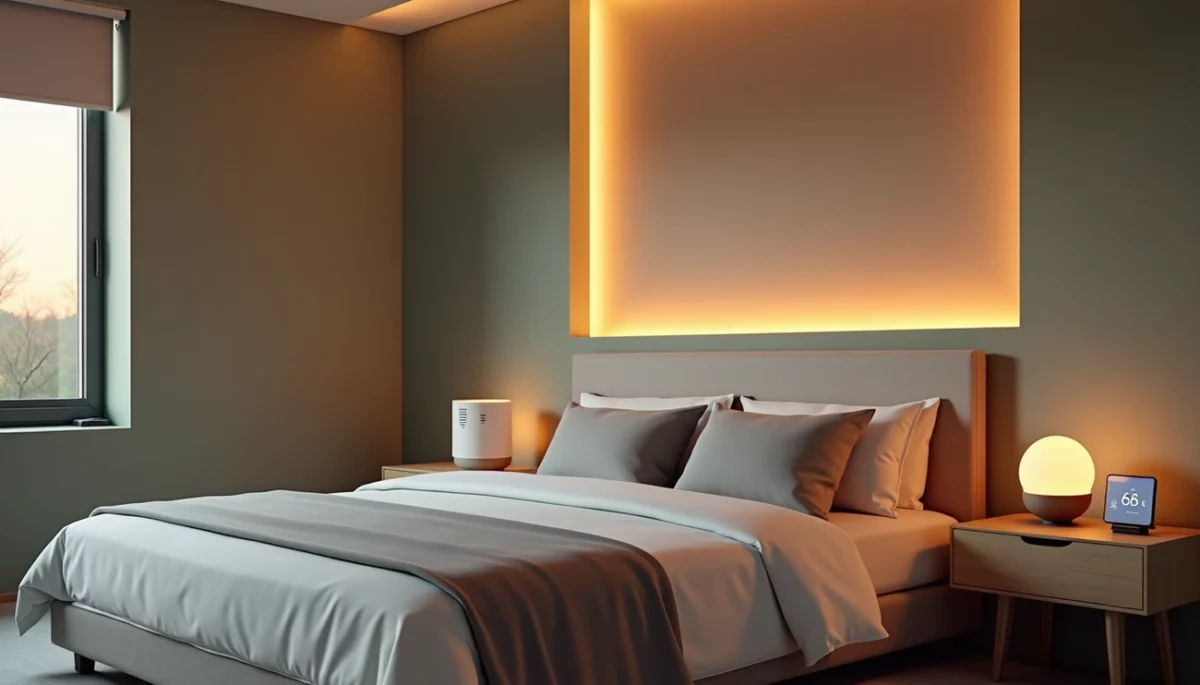
Are you struggling to get a proper night's sleep? The best smart home gadgets can transform your bedroom into the restful sanctuary you deserve. 2026 has started brilliantly in the smart home department, with new security cameras, sensors, smart lamps, and thermostats emerging this January. Smart home automation has changed the way people live, and millions of homes around the world currently have smart technology available to them. By 2026, homes will literally learn habits, respond to moods, and optimise energy use without manual input. Your bedroom should be your personal retreat, and with the right technology, you can create the perfect environment for better sleep and ultimate comfort.
How can smart home technology help you sleep better?
Why does technology affect your sleep?
Sleep plays a vital role in your health, affecting everything from your mood to your daily performance. Yet over one-third of adults get less than the recommended seven hours of sleep each night, and 57% of people who use technology before bed suffer from sleep issues. Here's the thing: technology disrupts sleep, but the right smart home gadgets can actually improve it.
The difference lies in how you use technology. Traditional devices like phones and tablets emit blue light that suppresses melatonin production, keeping your brain alert when it should be winding down. Scrolling through social media or checking emails before bed creates mental stimulation that makes falling asleep much harder. Smart home technology takes a completely different approach. These devices work quietly in the background to create perfect sleeping conditions without demanding your attention.
Smart mattresses monitor your sleep through pressure sensors and ballistocardiography, tracking your rest patterns without any effort from you. Smartwatches like the Apple Watch Series 9 and Garmin Venu 3S combine sleep tracking with fitness monitoring, helping you maintain a balanced lifestyle. Many of these devices connect with health platforms including Apple Health and Google Fit, allowing healthcare professionals to monitor your sleep remotely.
How does your environment affect sleep quality?
Your bedroom environment makes all the difference to how well you sleep. Research shows that sleep efficiency decreases as environmental factors increase. Sleep efficiency was 3.2% lower with higher PM2.5 levels, 3.4% lower with increased temperature, 4.0% lower with elevated CO2, and 4.7% lower with excessive noise.
Temperature control proves especially important. Keeping your bedroom between 16 and 18 degrees Celsius creates ideal sleeping conditions. Humidity also affects how well you sleep, with humid heat causing more wakefulness and less REM sleep. Air quality, darkness, and noise levels complete the environmental puzzle that determines whether you achieve truly restorative sleep.
What makes bedroom automation worth considering?
Bedroom automation tackles these environmental challenges systematically. Smart thermostats monitor temperature levels and adjust your heating to maintain the optimal sleeping environment of around 18.3 degrees Celsius. Smart lighting systems automatically dim two hours before bedtime, helping your body settle down naturally. Come morning, automated blinds rise to let sunshine through, supporting your natural circadian rhythm.
The numbers show growing adoption: 29% of UK homes now use smart electrical appliances, with 25% of consumers expressing serious concern about lack of quality sleep. Smart home systems remove the hassle of manual adjustments whilst ensuring consistent environmental conditions throughout the night. And because these devices work automatically, you can focus on what matters most – getting the restorative sleep your body needs.
Smart lighting that actually helps you sleep better
Your lighting choices can make or break a good night's sleep. The right illumination at the right time guides your body's natural sleep-wake cycle, whilst harsh overhead lights at bedtime will keep you tossing and turning.
Smart bulbs that work with your body clock
Circadian lighting mimics natural daylight patterns by changing colour temperature and intensity throughout the day. Philips Hue offers a Natural light scene that transitions through cool and warm shades of white light, replicating natural sunlight. Programme your smart bulbs to shift from cool to warm white light - bright blue-toned light when you need to wake up and warmer, dimmer tones at bedtime.
These clever bulbs integrate with motion sensors that trigger lights only when darkness requires illumination. Smart lighting proves most effective when deployed across your entire home rather than isolated to one area. Don't forget, you can control everything from your smartphone without getting out of bed.
LED Strip Lights for the perfect bedroom ambience
LED strip lights create ambient bedroom lighting with customisable temperature settings. Warm light produces a relaxed, cosy atmosphere that's perfect for winding down. The flexible design fits any room contour, whilst colour-changing options allow you to adjust the mood exactly how you want it. Self-adhesive backing makes installation a breeze, and energy efficiency keeps your electricity costs down.
Smart dimmer switches worth investing in
Smart dimmer switches provide voice-activated control through Amazon Alexa or Google Home. Lightwave switches feature backlit indicators visible when off, making them easy to locate in low-light conditions. These switches offer two-way communication, meaning the app always monitors device status and energy usage.
You can programme scenes that adjust multiple lights simultaneously - set your downlights to 50% whilst wall lights operate at 25%. Remote control capability lets you manage lighting from anywhere through smartphone apps. Perfect for those moments when you're already comfortable in bed but forgot to dim the lights.
Sunrise alarm clocks for gentler mornings
Sunrise alarm clocks emit gradually intensifying light that mimics natural dawn. The Philips SmartSleep Wake-Up Light reaches 330 lux on its brightest setting. Red-tinted light more closely replicates sunrise, offering a much gentler wake-up than harsh white light. A 2019 study found red light exposure has therapeutic potential for improving sleep inertia.
Wake-up lights reduce melatonin levels and decrease that groggy feeling from deep sleep. Models like the Philips Smart Sleep transition through 20 brightness levels over 40 minutes. Your body will thank you for ditching that jarring alarm clock.
Climate control and air quality gadgets for better sleep
Smart thermostats for optimal sleep temperature
Your bedroom temperature can make or break a good night's sleep. Programmable thermostats automatically lower your bedroom temperature before bedtime, creating conditions that support your body's natural thermoregulation process. The National Sleep Foundation recommends setting your thermostat between 60 and 67 degrees Fahrenheit at night for optimal sleep.
Research confirms that temperatures above 75 degrees or below 54 degrees cause people to toss and turn throughout the night. Smart thermostats can also increase temperature slightly before wake-up, signalling your body to move into alertness. It's like having your own personal sleep assistant working behind the scenes.
Air purifiers with sleep mode features
Did you know indoor air can be five times more polluted than outdoor air? Breathing dust, pollen, pet dander, and volatile organic compounds reduces sleep quality, particularly for allergy sufferers.
Air purifiers with HEPA filters remove these irritants whilst operating at whisper-quiet levels. Sleep mode typically runs at 32 decibels or below, maintaining air cleaning performance without disturbing your rest. Studies show 93% of users reported sleeping better after adding an air purifier to their bedroom. That's a pretty convincing case for cleaner air, don't you think?
Smart humidifiers and dehumidifiers
Dry indoor air irritates airways and makes breathing harder, especially for those with asthma or allergies. Humidifiers add moisture to prevent nasal passages and throat from drying out, whilst maintaining humidity between 40% and 60% keeps your home comfortable year-round.
Ultrasonic models operate quietly, making them suitable for bedrooms. Conversely, dehumidifiers extract excess moisture that lets mould and dust mites flourish, both of which trigger respiratory issues. The key is finding that sweet spot for your comfort.
White noise machines and smart sound systems
White noise machines mask external sounds like traffic, neighbours, and snoring partners by emitting steady frequencies. Devices with real mechanical fans produce more authentic sound than recorded loops. Models featuring white, pink, and brown noise options offer varying frequencies, with pink and brown noise proving more relaxing for many sleepers.
Whether it's the neighbour's dog or street noise keeping you awake, these devices create a consistent sound blanket that helps your brain tune out disruptions.
Which sleep tracking gadgets will help you rest better?
Smart mattresses that learn your sleep habits
What if your mattress could actually help you sleep better? Sleep tracking devices monitor movement, heart rate, and oxygen levels to provide insights into sleep duration, wake frequency, and deep sleep patterns. Smart mattresses feature sensors and tracking technology that analyse sleep patterns whilst making adjustments to improve rest.
The Bryte Balance Pro uses Restorative AI to measure sleep through real-time data, adjusting firmness levels and gently raising either side if it detects snoring. Don't expect medical-grade diagnostics from these devices, though they should not be seen as medical-grade diagnostics. Their primary value lies in raising awareness by identifying patterns such as irregular schedules or habits affecting sleep quality.
Smart blinds for effortless light control
Your morning routine becomes so much easier when your blinds open themselves. Electric blinds offer effortless control through smartphone apps or attached remote controls. These wireless, battery-operated systems require no electrical installation, making fitting a speedy process.
You can set blinds to open or close on a schedule using the built-in timer function, eliminating the need to manually adjust them for bedtime. Voice control integration works with popular smart home devices through compatible apps. Smart control via hubs like TaHoma allows timed operation, phone app control, or voice commands for ultimate convenience.
Voice assistants that handle your bedtime routine
Why fumble around with multiple switches when one simple command sorts everything? Google Assistant's bedtime routine automates multiple actions with a single "goodnight" command. The feature turns off lights, adjusts smart air conditioners, locks doors, and plays white noise or music from your playlists.
Google will ask what time you'd like to wake up and set your alarm accordingly, or you can create preset alarms for weekdays versus weekends. Alexa offers identically functional routines activated by saying "good night," executing actions like turning off lights and playing ambient sounds.
Smart plugs for budget-friendly bedroom automation
Smart plugs transform ordinary appliances into connected devices through wi-fi pairing. These affordable gadgets enable remote control and scheduling of bedroom devices from your smartphone. You can programme lamps to turn on and off automatically, creating the appearance of occupancy when you're away.
Conclusion
Smart home technology offers practical solutions for better sleep and bedroom comfort. Whether you choose smart lighting that supports your circadian rhythm, climate control devices that maintain optimal temperature, or sleep trackers that reveal your patterns, these gadgets work together to create your ideal sleeping environment. Most important, you don't need to automate everything at once. Start with one or two devices that address your specific sleep challenges, then expand your bedroom automation as needed. Better sleep is just a smart gadget away.
Key Takeaways
Transform your bedroom into a sleep sanctuary with smart technology that works passively to optimise your rest environment without demanding attention.
• Temperature control is crucial: Smart thermostats maintaining 16-18°C create ideal sleep conditions, with research showing sleep efficiency drops significantly with temperature fluctuations.
• Circadian lighting makes a difference: Smart bulbs that shift from cool blue morning light to warm evening tones help regulate your natural sleep-wake cycle effectively.
• Air quality directly impacts sleep: HEPA air purifiers operating at whisper-quiet levels remove allergens and pollutants, with 93% of users reporting improved sleep quality.
• Start small and expand gradually: Begin with one or two devices addressing your specific sleep challenges, then build your bedroom automation system over time.
• Environmental factors compound: Combining smart lighting, climate control, and air quality management creates synergistic effects that dramatically improve overall sleep quality and bedroom comfort.
The key is choosing technology that enhances rather than disrupts your sleep environment, working silently in the background to maintain optimal conditions throughout the night.
FAQs
Q1. What is the ideal bedroom temperature for quality sleep? The optimal bedroom temperature for sleep is between 16 and 18 degrees Celsius (approximately 60 to 67 degrees Fahrenheit). Research shows that temperatures above 75 degrees or below 54 degrees Fahrenheit can cause restlessness throughout the night. Smart thermostats can automatically maintain this ideal temperature range and even increase it slightly before your wake-up time to help you transition into alertness naturally.
Q2. How do smart bulbs help improve sleep quality? Smart bulbs with circadian rhythm support mimic natural daylight patterns by changing colour temperature and intensity throughout the day. They display bright, blue-toned light in the morning to help you wake up and transition to warmer, dimmer tones at bedtime. Programming these bulbs to shift from cool to warm white light helps guide your body's natural sleep-wake cycle, making it easier to fall asleep and wake up naturally.
Q3. Can air purifiers really make a difference to sleep quality? Yes, air purifiers can significantly improve sleep quality. Indoor air can be up to five times more polluted than outdoor air, containing dust, pollen, pet dander, and volatile organic compounds that reduce sleep quality. Studies show that 93% of users reported sleeping better after adding an air purifier to their bedroom. Models with HEPA philtres and sleep mode operate at whisper-quiet levels (32 decibels or below) whilst effectively removing airborne irritants.
Q4. What are the benefits of using a sunrise alarm clock? Sunrise alarm clocks emit gradually intensifying light that mimics natural dawn, helping you wake up more naturally. They reduce melatonin levels and decrease grogginess from deep sleep. Red-tinted light more closely replicates sunrise and offers a gentler wake-up than white light. Research from 2019 found that red light exposure has therapeutic potential for improving sleep inertia, making the transition from sleep to wakefulness smoother and more pleasant.
Q5. How accurate are smart mattresses and sleep trackers? Smart mattresses and sleep trackers monitor movement, heart rate, and oxygen levels to provide insights into sleep patterns. Whilst they estimate sleep stages based on movement and heart rate data, they should not be considered medical-grade diagnostics. Their primary value lies in raising awareness by identifying patterns such as irregular schedules or habits affecting sleep quality. Smart mattresses can also make real-time adjustments to firmness levels and even detect snoring to improve comfort throughout the night.