



![Wooden Bed Frames vs Upholstered: Which Suits Your Bedroom? [2026]](https://www.bedstar.co.uk/sleep-talk/wp-content/uploads/2026/02/Wooden_bed_vs_Upholstered-1200x685.webp)
Table of Contents
Wooden bed frames have graced bedrooms for centuries, bringing that natural warmth and elegance that works beautifully with both traditional and modern décor. Look after them properly and these timeless pieces can last for decades, which explains why so many homeowners choose them. They're incredibly sturdy too, easily holding considerable weight – making them one of the best choices for heavier people.
But choosing between wooden and upholstered bed frames isn't always straightforward, is it? Solid wooden bed frames offer exceptional durability, though they often come with a higher price tag. The type of wood makes a significant difference to cost, with premium options like Oak and Walnut sitting at the top end. Here's something that might surprise you though – wooden bed frames tend to be more affordable than their upholstered counterparts in many cases.
Whether you're drawn to wood's natural appeal or upholstery's soft, padded comfort, your choice will dramatically impact both your bedroom's look and functionality. We'll guide you through everything from durability and maintenance to style versatility, comparing wooden bed frames with storage options against upholstered alternatives. By the time you finish reading, you'll know exactly which type of bed frame will create the perfect foundation for your ideal sleep sanctuary.
What makes wooden bed frames so special?
Your wooden bed frame forms the foundation of your bedroom furniture, crafted either from solid timber or engineered wood materials. These frames serve as both functional and aesthetic elements that can dramatically influence your sleeping space's overall feel.

Which wood should you choose for your bed frame?
The timber you select for your bed frame will fundamentally affect its appearance, durability, and price point. Oak stands among the most popular choices, prized for its exceptional strength, prominent grain patterns, and remarkable moisture resistance. Pine offers a more affordable option with its lightweight nature and rustic charm, making it ideal for those seeking value. Mahogany delivers a rich, sophisticated aesthetic with its dense composition, whereas walnut provides a luxurious dark finish paired with outstanding durability. Each wood type brings its distinct character to your bedroom, from the bold grain patterns of oak to the airy, casual feel of pine.
Solid wooden bed frames or engineered wood - which suits your needs?
Solid wooden bed frames come directly from natural timber that's cut, shaped and assembled without being broken down into composite materials. These frames showcase the authentic grain and natural beauty of the wood, developing character as they mature. Conversely, engineered wood products like MDF, plywood, and particle board are manufactured using wood fibres, veneers or layers bonded together with adhesives.
Although engineered wood offers greater surface consistency and often costs less initially, solid wood frames generally provide superior longevity. Engineered options may suffer from moisture damage and cannot be refinished like their solid wood counterparts. For storage beds featuring moving components like drawers, nevertheless, engineered wood sometimes performs better due to its dimensional stability and resistance to warping.
Popular wooden bed frame styles worth considering
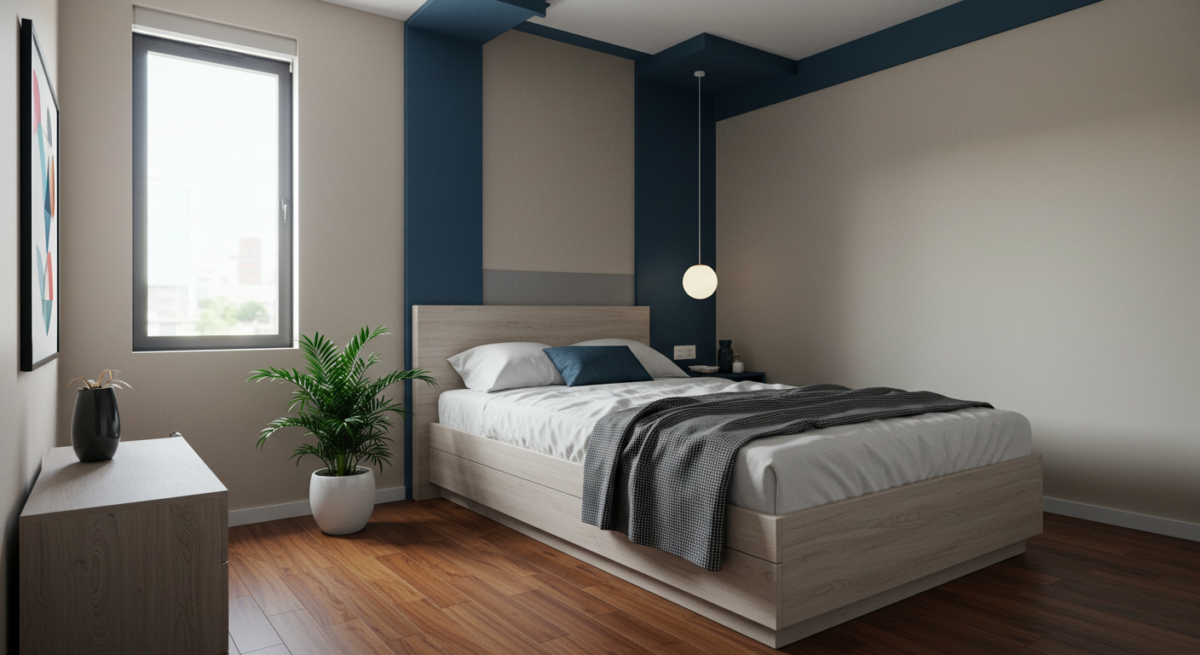
Wooden bed frames come in various designs to suit different preferences and bedroom spaces. Platform beds feature a minimalist, contemporary look with their low-profile design and solid base that eliminates the need for a box spring. Ottoman beds incorporate hidden storage compartments beneath the mattress—perfect for keeping extra bedding and clothing organised yet accessible.
Four-poster beds make dramatic statements with their four tall corner posts, creating a grand, traditional aesthetic that dominates any room. Sleigh beds, distinguished by their curved headboard and footboard resembling a sleigh, offer elegant sophistication. Some contemporary designs even combine wooden frames with upholstered headboards, providing the best of both worlds—the durability of wood with the comfort of fabric.
What Are Upholstered Bed Frames?
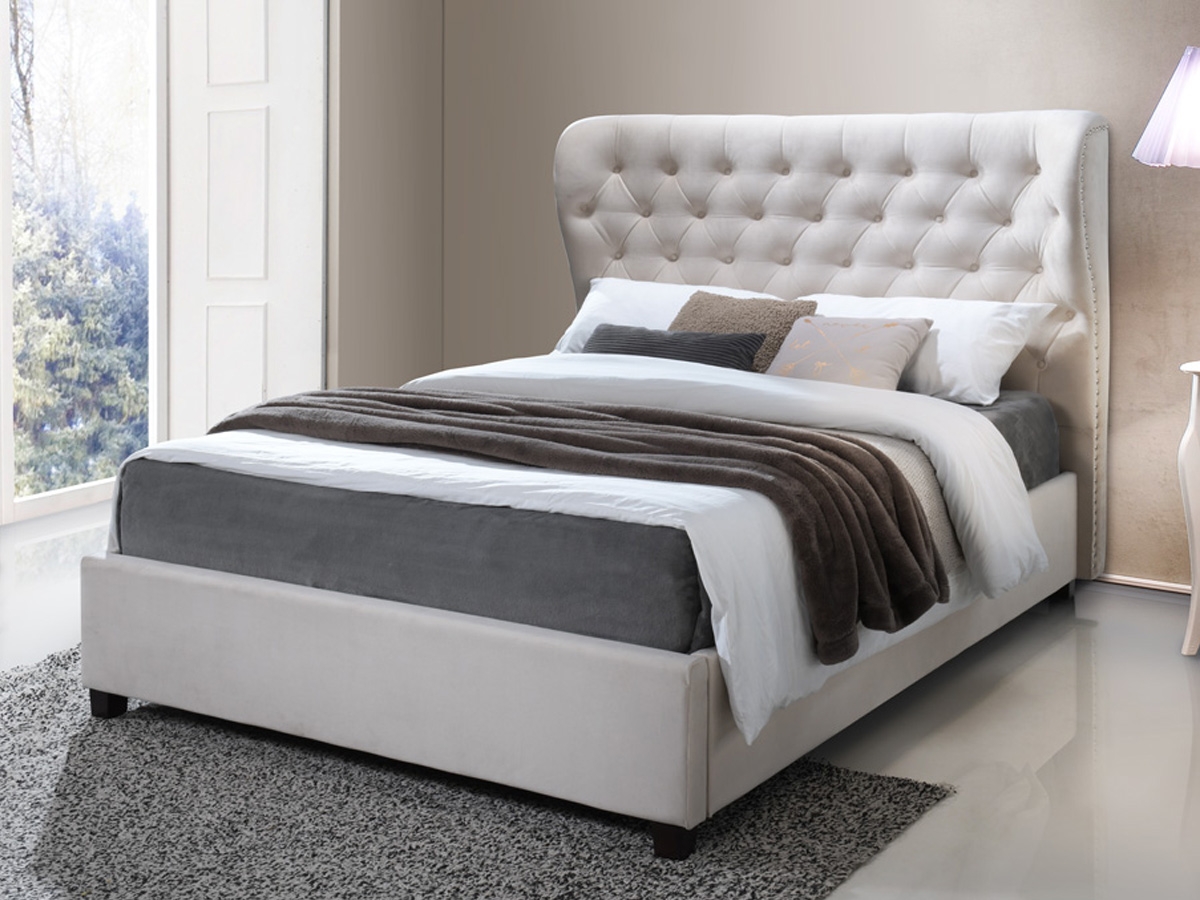
Upholstered bed frames bring instant luxury to your bedroom. These frames feature soft, fabric-covered surfaces with generous padding beneath, creating a completely different feel from their wooden counterparts. Your headboard becomes a comfortable backrest, and often the footboard and rails receive the same padded treatment.
Fabric vs Faux Leather Upholstery
Which material suits your lifestyle best? Your choice dramatically affects both the look and practicality of your bedroom.
Fabric upholstery offers some brilliant advantages. These materials stay cooler during summer months and provide extra warmth in winter, making them comfortable year-round. Velvet creates the ultimate luxury feel with its rich texture and subtle sheen. Linen brings natural breathability and works beautifully in minimalist or Scandinavian-style bedrooms.
Alternatively, faux leather delivers sleek, contemporary style that's remarkably practical for busy households. Spills simply wipe away with a damp cloth, making these beds perfect for homes with children or pets. Faux leather resists stains better than most fabric options, though it can feel cooler in winter and slightly sticky during humid conditions.

Construction: Wooden Frame with Fabric Covering
Don't be fooled by the soft exterior - most upholstered beds feature sturdy wooden or metal frames beneath that fabric covering. The magic happens in the layering process: multiple layers of batting (especially thick around top edges), followed by smooth muslin, then your chosen decorative fabric. This careful construction creates that inviting softness whilst adding visual interest through techniques like button tufting or elegant nailhead trim.
Popular Upholstered Bed Styles
Wingback beds make stunning focal points with their tall headboards featuring protective side "wings." They create a cosy, sheltered feeling reminiscent of luxury hotels. Ottoman beds combine style with clever storage - their hydraulic mechanisms lift to reveal generous storage space without compromising on aesthetics.

Sleigh beds captivate with their gracefully curved headboards and footboards, bringing timeless elegance to any bedroom. For minimalist lovers, platform beds offer clean, low-profile designs that eliminate the need for box springs. Canopy beds provide the ultimate statement piece with their tall posts and overhead frames - perfect for draping with fabric to create a romantic, enclosed sanctuary.
Comparing Wooden and Upholstered Bed Frames
So you're torn between these two popular bed frame types? The decision goes far deeper than just how they look. Let's explore what really matters for your daily comfort and long-term happiness with your choice.
Durability: How Long Each Type Lasts
When it comes to longevity, wooden bed frames are the clear winners. Properly maintained wooden frames can last for decades, with solid wood options showing minimal wear over the years. Your wooden frame will likely outlast several mattress replacements!
Upholstered beds tell a different story. They typically show their age much sooner as fabric frays, padding compresses, and colours fade from regular use and light exposure. Once wear sets in on upholstered models, repairs become tricky - often your only option is replacement.
Maintenance Requirements and Cleaning
Here's where the contrast becomes really obvious. Wooden frames ask for very little - simply wipe them clean with a damp cloth and dry with a soft lint-free duster. Got a waxed wood finish? Polish in the direction of the grain with quality beeswax. Job done.
Upholstered bed frames demand much more attention. You'll need regular vacuuming with an upholstery attachment, using small circular movements to prevent snagging the fabric. Spills and stains become your enemy - upholstered headboards easily collect oils from hair and skin products. If you suffer from asthma or allergies, wooden frames represent the smarter choice as they don't harbour dust mites and allergens like fabric surfaces do.
Weight and Ease of Moving
Moving house anytime soon? Wooden bed frames - especially solid wood versions - are notably heavy and challenging to move without help. Dismantling and reassembling them often requires tools, time, and patience. On the plus side, once positioned, wooden frames stay put with minimal shifting.
Upholstered beds tend to be lighter since their internal timber frame isn't as substantial. They're typically easier to dismantle when moving house, offering practical advantages if you relocate regularly.
Price Range: Initial Cost vs Long-Term Value
Your wallet will appreciate this: wooden bed frames often present better value despite varied pricing. Generally, wood frames cost less than upholstered options, though solid wood commands premium prices. The wood type significantly affects pricing - Oak and Walnut sit at the expensive end, whilst Pine offers a more economical alternative. Despite potentially higher upfront costs for quality wooden frames, their exceptional durability makes them sound long-term investments.
Style Versatility for Different Bedroom Décors
Both frame types offer impressive design flexibility for your space. Wooden beds suit almost any décor, from minimalist to traditional settings. A stunning wooden frame can become the focal point around which you build your bedroom's aesthetic.

Upholstered beds excel at creating visual impact too. Available in countless fabrics, colours, and textures, they easily match your décor preferences. They add softness and luxury to bedrooms that wooden frames simply cannot replicate.
Storage Options: Wooden Bed Frames with Storage vs Upholstered
Why settle for just a place to sleep when your bed can solve your storage challenges too? Both wooden and upholstered bed frames offer clever storage solutions, though they approach the challenge quite differently.
Ottoman Storage Beds in Both Materials
Ottoman-style storage beds have become incredibly popular, particularly amongst upholstered options. These clever designs feature hydraulic lift systems that raise your entire mattress base, revealing a generous storage compartment underneath. The beauty of this design? You can use every inch of space beneath your mattress for storing extra bedding, seasonal clothes, or anything else cluttering your room.
Upholstered ottoman beds often incorporate sophisticated gas lifts that provide guided force, making it surprisingly easy to manage even heavy mattresses. Don't think wooden options are left out though – wooden ottoman beds combine the timeless appeal of timber with practical storage, often featuring robust oak construction that adds character to your bedroom.
Under-Bed Drawer Configurations
Prefer easier access without lifting your mattress? Drawer configurations offer a brilliant alternative. Upholstered divan beds typically come with either two or four strategically positioned drawers around the frame. Wooden bed frames accommodate various drawer arrangements too, with impressive flexibility.
Here's what you can expect from wooden under-bed drawers:
- Heights range from 17cm (Sahara style) to 22cm (Tibet style)
- Standard widths measure around 90cm, with narrower 75cm options perfect for fitting alongside your bedside tables
- Drawer boxes use quality birch plywood construction with optional matching timber front panels
Most wooden drawer systems feature smooth-gliding castors for effortless access, typically measuring 28cm high and 47cm deep. This thoughtful construction gives you substantial storage capacity whilst maintaining your bed frame's aesthetic appeal.

Which Material Works Best for Storage Beds?
When it comes to built-in storage options, upholstered beds typically offer more variety. Many upholstered models even include modern touches like USB charging ports alongside their storage functionality.
Wooden bed frames excel where durability matters most. They maintain their structural integrity despite frequent drawer use, making them ideal for long-term storage solutions. Wooden storage beds also offer wonderful flexibility for children's rooms, sometimes incorporating shelving systems and playful design elements.
Your choice ultimately depends on what matters most to you. Want maximum storage capacity? Upholstered ottoman beds deliver. Prefer long-term durability with easy drawer access? Wooden frames are your best bet. Both materials provide practical solutions for keeping your bedroom organised whilst making the most of your available space.
Which bed frame suits your bedroom best?
Your bedroom deserves a bed frame that matches both your lifestyle and your dreams. So how do you decide between the enduring appeal of wood and the luxurious comfort of upholstery?
Does longevity matter most to you?
Wooden bed frames are your answer if you value furniture that stands the test of time. These sturdy pieces can serve your bedroom faithfully for 20-30 years with proper care. You won't hear any annoying squeaks or worry about sagging over time. Plus, choosing a durable wooden frame means you're making an environmentally conscious decision – less waste, less frequent replacement.
Are you after pure comfort?
Upholstered bed frames create that hotel-inspired luxury you're craving. The padded headboard makes those late-night reading sessions or weekend morning TV watching so much more comfortable. You'll add texture and warmth to your space that wooden frames simply can't match.
What size is your bedroom?
Your room dimensions should guide your choice. Got a cosy space under 100 square feet? Stick with twin or full frames featuring low profiles. Medium-sized bedrooms (100-150 sq ft) can handle full or queen sizes with moderate headboards. Lucky enough to have a spacious bedroom over 200 square feet? Go bold with statement pieces and taller headboards that command attention.
What's your interior style?
Your bed frame should complement what you've already created. Wooden frames work beautifully with traditional, rustic, or minimalist décor. Upholstered options enhance modern or hotel-inspired interiors perfectly. Don't forget metal frames if you're going for industrial or farmhouse styles. Remember to consider undertones when mixing different wood finishes – they should harmonise rather than clash.
Comparison Table
Need a quick reference to help you decide? This handy comparison breaks down the key differences between wooden and upholstered bed frames, so you can see at a glance which option suits your needs best.
| Feature | Wooden Bed Frames | Upholstered Bed Frames |
| Durability | Can last for decades with proper maintenance | Show age sooner; fabric frays and padding compresses over time |
| Maintenance Requirements | Minimal; wipe with damp cloth and dry with soft lint-free duster | Regular vacuuming required; needs special care for stains and spills |
| Weight Characteristics | Heavier, especially solid wood versions; challenging to move | Generally lighter; easier to dismantle and move |
| Cost Considerations | Often more affordable; higher initial cost for premium woods (Oak, Walnut) | Generally more expensive than wooden frames |
| Allergen Resistance | Better for allergy sufferers; don't readily harbour dust mites | More likely to collect allergens and dust |
| Style Versatility | Suits both traditional and modern décor; natural warmth | Available in numerous fabrics, colours, and textures; adds luxury feel |
| Storage Options | - Under-bed drawers common - Less common in ottoman style - More durable for frequent drawer use | - Ottoman-style storage common - Available with divan drawers - Greater built-in storage options |
| Material Options | - Solid timber - Engineered wood - Popular woods: Oak, Pine, Mahogany, Walnut | - Fabric (velvet, linen) - Faux leather - Various padding options |
| Temperature Properties | Natural materials; no specific temperature benefits | Fabric stays cooler in summer and warmer in winter |
| Structural Strength | Exceptionally sturdy; excellent for heavy weight support | Depends on internal frame construction |
Conclusion
Choosing between wooden and upholstered bed frames ultimately depends on your personal priorities and lifestyle needs. Wooden frames shine brightest when durability stands as your primary concern, offering decades of reliable service with minimal maintenance requirements. Their natural beauty and timeless appeal make them suitable for almost any décor style, though they demand consideration regarding weight when moving house.
Upholstered options, conversely, excel in creating luxurious, comfortable environments where softness takes precedence. These frames transform bedrooms into hotel-inspired retreats with their padded surfaces and varied textile options. Nevertheless, they require more diligent maintenance and typically show signs of wear sooner than their wooden counterparts.
Storage capabilities exist with both materials, albeit with different approaches. Upholstered beds frequently feature ottoman-style mechanisms that maximise storage capacity, while wooden frames offer drawer configurations that combine accessibility with exceptional durability during frequent use.
Room dimensions should significantly influence your decision. Smaller spaces benefit from low-profile designs regardless of material, whereas spacious bedrooms accommodate statement pieces with dramatic headboards. Additionally, your existing furniture and overall interior style should guide your selection to ensure visual harmony throughout the room.
The perfect bed frame creates the foundation for your sleep sanctuary. Whether you value the warm, natural elegance of wood or the soft, padded luxury of upholstery, your choice will profoundly impact both the functionality and aesthetic of your bedroom for years to come. Careful consideration of these factors will undoubtedly lead you to the ideal frame that meets your unique needs and enhances your sleep experience.
What should you consider when choosing your perfect bed frame?
Your bedroom deserves a bed frame that matches both your lifestyle and your space. Whether you're torn between the natural warmth of wood or the luxurious comfort of upholstery, here's what you need to know:
Wooden frames are built to last – we're talking 20-30 years with proper care. Yes, premium woods like Oak and Walnut cost more upfront, but think of them as long-term investments in your sleep sanctuary.
Fancy the idea of reading in bed? Upholstered beds excel at comfort with their padded surfaces perfect for those cosy evening moments. Just remember, they'll need more attention to stay looking their best and might show their age sooner than wooden alternatives.
Maintenance couldn't be more different between these two. Wooden frames? A quick dust and you're done. Upholstered options need regular vacuuming and careful stain management – something to consider if you're after a low-maintenance bedroom.
Storage solutions depend on your choice too. Upholstered beds shine with ottoman-style mechanisms that maximise every inch of under-bed space, whilst wooden frames offer those satisfying drawer configurations that'll stand up to years of use.
Your room size matters more than you might think. Smaller spaces work beautifully with low-profile designs, but if you've got the space, why not go bold with a dramatic headboard that makes a real statement?
FAQs
Q1. What are the main differences between wooden and upholstered bed frames? Wooden bed frames offer superior durability, lasting decades with proper care, and require minimal maintenance. Upholstered frames provide a softer, more luxurious feel but need more frequent cleaning and show wear sooner. Wooden frames are generally more affordable, while upholstered options offer greater style versatility.
Q2. Which bed frame type is better for people with allergies? Wooden bed frames are generally better for allergy sufferers. They don't harbour dust mites and allergens as readily as upholstered frames, making them easier to keep clean and hypoallergenic.
Q3. How do storage options compare between wooden and upholstered bed frames? Upholstered beds often feature ottoman-style storage, maximising under-bed space. Wooden frames typically offer drawer configurations, which are more durable for frequent use. Both types provide storage solutions, but upholstered beds generally offer more built-in options.
Q4. Are wooden or upholstered bed frames easier to move? Upholstered bed frames are generally lighter and easier to dismantle, making them more convenient for frequent movers. Wooden frames, especially solid wood versions, are heavier and can be challenging to move without assistance.
Q5. What bed frame styles are trending in 2026? Curved and sculptural bed frames are popular in 2026, offering a softer, more inviting aesthetic. Both wooden and upholstered options are available in these styles, with upholstered beds particularly trendy for their ability to incorporate patterns and textures into bedroom designs.