


403 Forbidden
ERR_WEB_NGX_403

A quality mattress can serve you well for up to 10 years, but budget models rarely make it that long. This durability factor marks just the beginning of what you'll need to think over as you pick your next mattress.
Sleep takes up about a third of our lives, yet so many of us can't seem to find that perfect mattress. Your sleeping position plays a huge role in making the right choice. Side sleepers do best with medium-soft to medium-firm mattresses. Back sleepers need medium-firm to firm support to keep their spine properly arranged.
The perfect mattress means different things to different people. You might ask yourself "What type of mattress suits me best?" The answer depends on your unique needs. Hotels usually choose medium to medium-firm mattresses because most guests find them comfortable, but your ideal firmness could be quite different.
Memory foam moulds to your body's shape while pocket sprung designs cut down on partner disturbance. The firmness scale runs from 1 (Extra Soft) to 10 (Extra Firm), and your sleeping habits and body weight determine what's best for you.
This piece will help you find your ideal match in the £300 to £1,000 range. You'll discover options that work best for your needs - whether you're a side sleeper wanting pressure relief, a stomach sleeper needing firm support to protect your spine, or someone who moves around all night. The result? Years of peaceful sleep ahead.
The way you sleep affects what you need in a mattress. Your sleeping position determines how your body gets supported and how your spine stays arranged during those vital hours of rest. Learning this connection helps you pick a mattress that works best for your body.
Your sleep position decides which parts of your body carry the most weight. These spots, called pressure points, need proper support to avoid pain and discomfort. Sleep experts have shown that using the wrong mattress can cause ongoing pain in your back, neck, hips, knees, and shoulders. This discomfort might lead to health issues that last.
Your sleep position shapes how your spine lines up too. Good alignment helps keep your back healthy and can reduce pain. To name just one example, see how side sleeping ranks as the healthiest position. It helps digestion, especially when you sleep on your left side, and can reduce problems like indigestion and acid reflux. It also makes you nowhere near as likely to snore as back sleepers.
Stomach sleeping puts stress on your spine and often leads to back and neck pain. Healthcare providers usually tell stomach sleepers to try a different position for better health.
We picked mattresses based on how people sleep. Here's what works best for different positions:
Side Sleepers: Side sleeping puts weight on shoulders and hips, making these spots vulnerable. You need a mattress soft enough to cushion these pressure points while supporting your spine. Soft to medium-soft mattresses work best. Memory foam, gel, latex, and pillow-top mattresses suit side sleepers because they shape themselves to your body.

Back Sleepers: Back sleeping needs support for your spine's natural curve while holding up heavier body parts. Medium-firm to firm mattresses usually work best. Pocket sprung, open coil, or orthopaedic mattresses do well here since they target support where needed. A good mattress spreads weight evenly and keeps your middle from sinking too much.
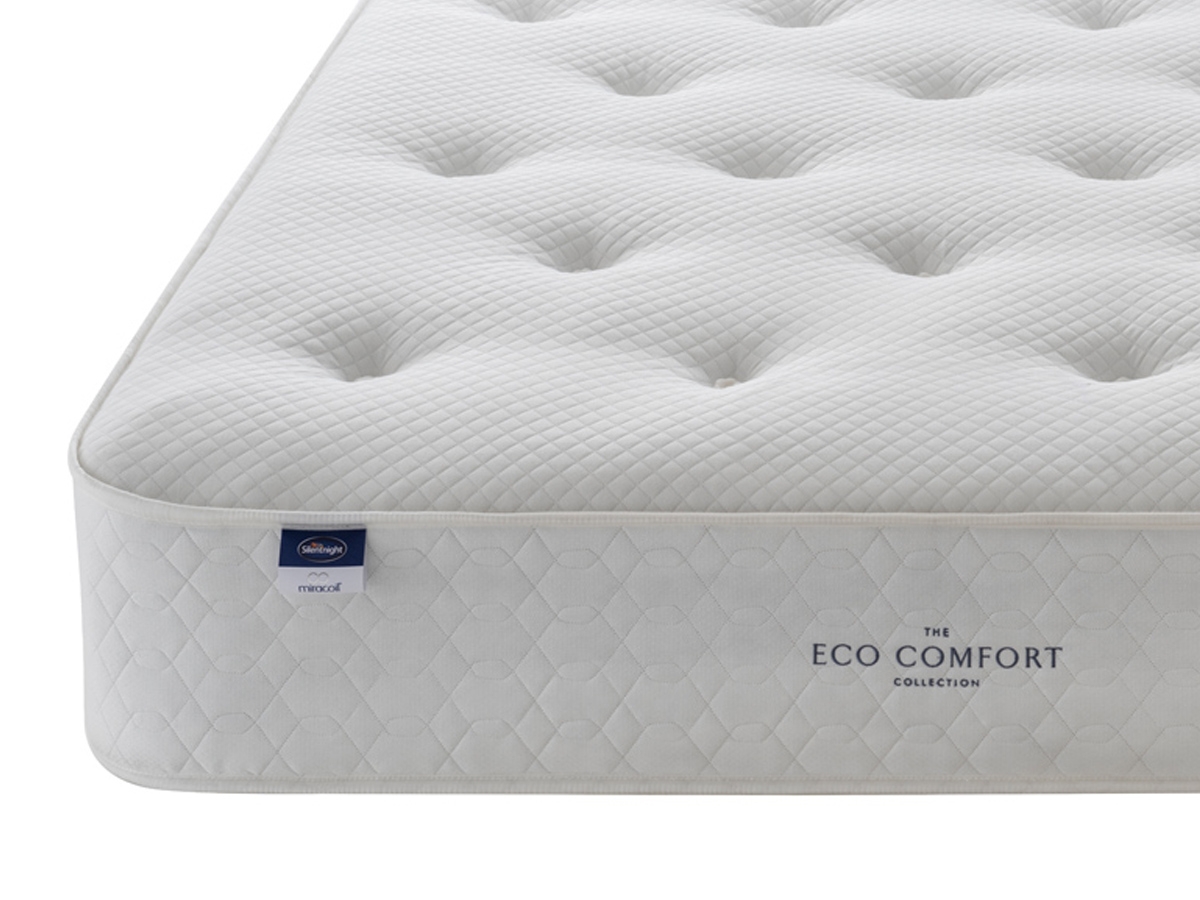
Front Sleepers: Stomach sleeping needs careful mattress selection to protect your spine. You need something firm enough to keep your spine straight but not so hard it hurts your shoulders and lower back. Medium to medium-firm options usually hit the sweet spot. Stay away from soft mattresses - they let your stomach sink and throw off your spine's alignment.
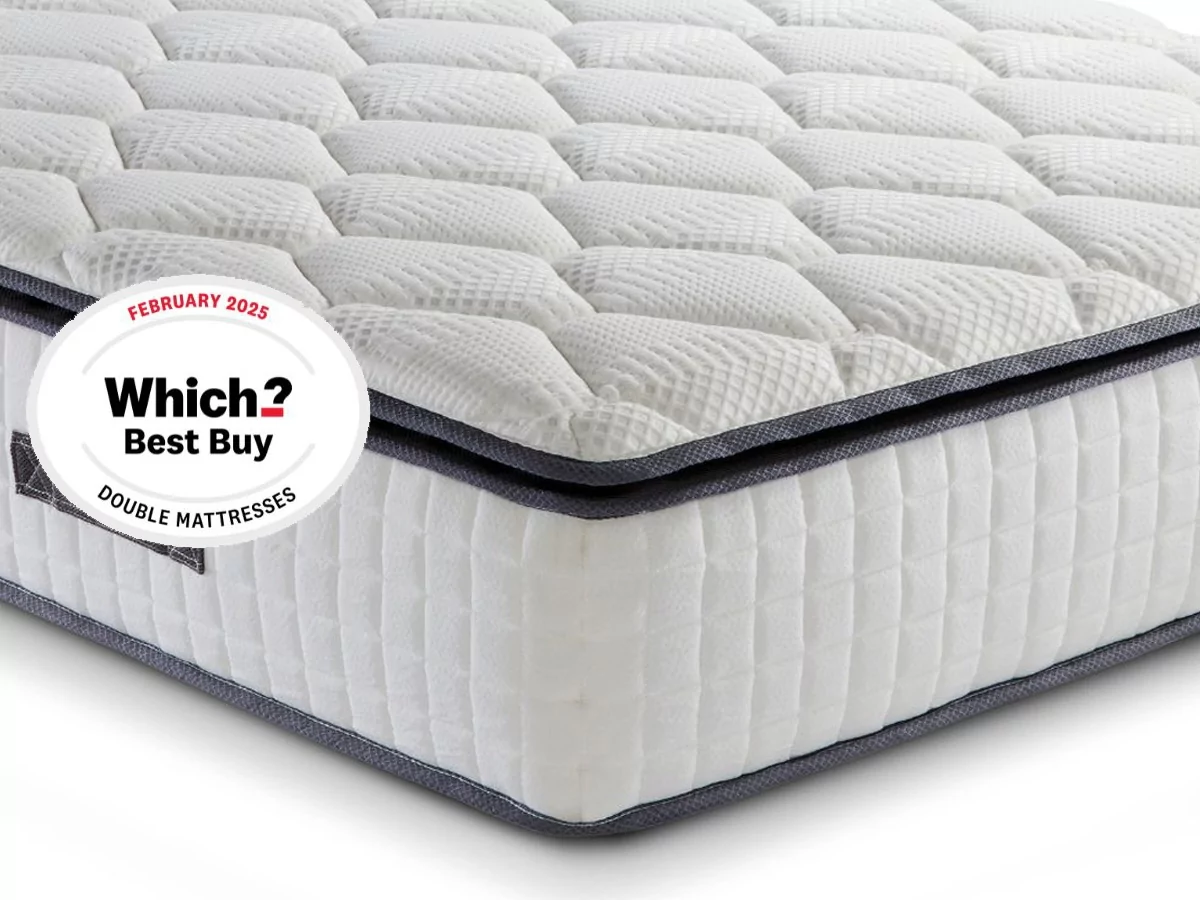
Combination Sleepers: If you move around at night, you'll want a mattress that works for different positions. Medium-firm mattresses often strike the right balance. Materials that respond to movement, like latex and certain foams, make position changes easier.
Your weight plays a big role in choosing a mattress too. Heavier people usually need firmer mattresses, while lighter folks find softer ones more comfortable. The comfort grade chart suggests:
The best mattress balances comfort and support while matching your sleeping habits and body type. Starting with your sleep position helps you find that perfect night's sleep.
A recent survey shows that 87% of people sleep on their side at least sometimes. Medical experts call it the healthiest way to sleep because it helps keep your spine aligned and might reduce acid reflux and snoring. Finding the right mattress as a side sleeper needs careful attention to materials, firmness, and support features.
Memory foam, gel, and latex are the best materials for side sleepers. Each one brings something special to your sleeping experience.
Memory foam mattresses really shine at relieving pressure points. These mattresses hug your body's curves and cushion your shoulders and hips where pressure builds up naturally. The foam moulds to your unique shape and helps keep your spine properly aligned throughout the night. The only downside is that memory foam tends to hold onto heat, which might bother you if you sleep hot.
Meomry gel mattresses give you the best of both worlds. They combine pressure relief with better temperature control. Tiny gel particles inside these mattresses help move heat away from your body, making them a great choice if you tend to overheat at night. They also bounce back faster than regular memory foam when you move around - a real plus if you're a restless sleeper.
Latex mattresses feel quite different from memory foam but still take good care of those pressure points. You'll notice a gentle sinking feeling at first, followed by supportive buoyancy thanks to latex's natural springiness. This responsiveness helps cushion your pressure points without letting you sink too deep and throw your spine out of line. Side sleepers who don't want to feel like their mattress is swallowing them up really appreciate latex.
The right firmness level makes all the difference for side sleepers. Most find their sweet spot between 4 and 6 on the 1-10 firmness scale (where 10 is the firmest).
Medium-soft mattresses (around 4) give side sleepers the plush feel they need. Your shoulders and hips can sink just enough into these mattresses to keep your spine aligned while avoiding pressure buildup. Mattresses that are too firm often create uncomfortable pressure points where your body meets the bed.
Medium mattresses (around 5-6) strike a nice balance between soft and supportive, working well for average-weight side sleepers. They cushion you nicely while keeping your middle from sinking too far down. This balance works great if you share your bed with someone who sleeps differently.
Your weight plays a big part in choosing the right firmness. People under 130 pounds usually prefer softer mattresses (3-5 range) that let them sink in enough at pressure points. Those over 230 pounds might need something a bit firmer (5-7 range) to avoid sinking too deep while still getting good pressure relief.
Side sleepers should focus on these key features when shopping for a mattress:
Understanding these materials, firmness levels, and features will help you find just the right mattress for your side-sleeping needs.
Back sleeping paired with the right mattress gives you great benefits for your spine. Your needs as a back sleeper are different from side sleepers who need soft spots for pressure points. You'll need to keep your spine's natural curve while making sure your middle doesn't sink too deep.
A zoned support system splits the mattress into sections with different firmness levels. This gives extra support to heavier areas like your hips and gentle cushioning to sensitive spots like shoulders. Your spine gets just the right support in each area, which helps ease lower back tension.
Back sleepers need proper zoning so their heavier middle section doesn't sink too much and throw the spine off balance. Many pocket sprung mattresses come with zoned designs that give more support to heavy areas and softer support to other parts.
"When it comes to back pain, there's no one-size-fits-all solution," explains physician Dustin Cotliar, M.D. "The key is finding a mattress that provides both support and pressure relief in the right areas for your specific needs."
Look for mattresses with supportive middle sections first to maintain your lumbar curve. Back sleepers have pressure points at the shoulders, heels, lower lumbar, and back. These areas need good support to stay aligned during sleep.
Medium-firm mattresses work best for back sleepers usually. This firmness helps lift your spine into a neutral position and supports your back well. Osteopath Dave Gibson notes, "If you look at all the research that has been done on mattresses and back pain, medium-firm comes out as what you should have."
Your body weight affects which firmness level suits you best:
Medium-firm might be the usual suggestion, but remember that "what one manufacturer calls firm, another might call medium-firm." Brands don't follow a standard grading system.
Many shoppers get confused about "orthopaedic mattress" while learning how to choose one. This industry term just means a super firm spring tension or support unit in a mattress.
These very firm models aren't always best for everyone with back pain. Ultra-firm orthopaedic mattresses might work against you unless you weigh more than 18 stone. They might force your back to fit the mattress instead of adapting to your body, which could make you more uncomfortable.
These mattress types work well for back sleepers instead of focusing on the orthopaedic label:
Your spine should stay neutral all night to know if your current mattress suits back sleeping. A too-soft mattress won't hold your spine up well, while a too-hard one can put pressure on your joints.
Finding the right mix of support and comfort will help you pick the best mattress as a back sleeper.

Picking the right mattress becomes tricky when you sleep on your stomach. Many people find this position comfortable, but it can stress your spine and neck without the right support. Front sleepers need to understand their specific needs to find a mattress that reduces risks and maximises comfort.
Your spine faces extra pressure when you sleep on your stomach because we carry much weight around our hips and middle section. A mattress without proper support can make your spine overarch. "When you're sleeping on your stomach, your spine may sag from its neutral position," explains one orthopaedic specialist. This misalignment can lead to back pain, stiffness, and general discomfort as time goes by.
Front sleepers need a mattress that keeps their spine well-aligned throughout the night. A soft mattress lets your midsection sink too much and creates an unnatural spine curve. A mattress that's too firm doesn't allow any sinking at all and puts too much stress on your pressure points.
You can reduce strain by putting a small, flat pillow under your lower belly or hips. This extra support helps keep your spine from sagging and maintains better alignment all night.
Support matters just as much as comfort. The best mattresses for front sleepers usually include:
Natural fibre mattresses work well for front sleepers because they offer progressive comfort compared to synthetic options. They also help regulate temperature better, which keeps you from overheating at night.
Hybrid mattresses have become the top choice for stomach sleepers. They combine pocket springs' structured support with foam layers' contouring comfort, which creates balanced pressure relief without losing support.
Your body weight and personal preference determine whether you need a medium or medium-firm mattress. On a 1-10 firmness scale (where 10 is firmest), medium mattresses rate approximately 6-7, while medium-firm options fall between 7.5-8.5.
Medium-firm mattresses provide ideal support for most front sleepers. This firmness keeps your hips and midsection from sinking too deeply but still offers enough cushioning to stay comfortable. People who weigh more than 150 pounds should definitely choose a medium-firm or firm mattress to maintain proper spine alignment.
A medium comfort option might work better if you:
Stomach sleepers should stay away from very soft mattresses. These make your body sink and arch your back, which could cause problems later.
Front sleepers need different mattresses than side or back sleepers. Focus on finding the sweet spot between support and comfort that keeps your spine naturally aligned all night.
Restless nights can affect your sleep quality and your partner's rest too. Your mattress choice becomes extra challenging if you change positions frequently while sleeping.
Quick-responding mattresses are vital if you toss and turn at night. Traditional memory foam materials respond slowly and can make you feel stuck in position. This trapped sensation disrupts your sleep and makes you more restless.
Your legs might feel more restless if your mattress creates pressure points. Beds that relieve pressure without sticky surfaces let you reposition easily at night. These features matter most:
"A good mattress should maintain the natural curve of your spine and relieve pressure points, which naturally prevents tossing and turning," notes one sleep expert. Yes, it is possible that your old or sagging mattress causes your restlessness.
Hybrid mattresses work great for restless sleepers. They blend innerspring coils' structured support with pressure-relieving foam layers. The coils help you change positions easily while the foam reduces motion transfer to your partner.
Latex mattresses respond exceptionally well to movement. "Latex mattresses are regarded as one of the best alternatives to memory foam mattresses, as the cushioning layers of springy latex foam hold their shape... and also reduce the impact of allergies".
Pocket sprung mattresses use individual coil wrapping to limit motion transfer between sleepers. These mattresses adapt well to different positions as you move from side to back to stomach throughout the night.

Mattresses with cooling technologies can improve your sleep quality if you're a restless sleeper who gets too hot - a common reason for tossing and turning.
Your sleeping position isn't the only thing that matters when picking a mattress. Several personal factors affect your comfort. These elements help you find a mattress that supports your needs for years.
Takeaway Tip: Want a quick way to test if a mattress provides proper support? Simply lie on your back and slide your hand under the arch of your back. Too much space means the mattress is too firm; if you can't slide your hand in at all, it's too soft. The perfect mattress lets your hand slide in easily while your back stays in contact with the surface.
Your weight affects which mattress feels right by a lot. If you have a weight over 230 pounds, firmer mattresses give you the support you need. This prevents too much sinking that could throw your spine out of line. People under 130 pounds usually feel better on softer mattresses. Firmer ones might not let their joints sink enough to feel comfortable.
The quickest way to test proper support is simple. Just lie on your back and slide your hand under your back's arch. A large space means the mattress is too firm. Not being able to slide your hand means it's too soft. The right mattress lets your hand slide in easily while your back stays in contact with the surface.
The mattress construction makes a big difference if you sleep hot. Look for these cooling features:
Synthetic materials work better than natural fibres if you have allergies. Many brands like Silentnight Revive ranges offer hypoallergenic treatments. Mattresses with tight seals keep dead skin cells and oils from getting inside. This cuts down on dust mites.
Standard UK mattress dimensions include:
Your mattress size needs to line up with both practical needs and comfort. The mattress should be at least 10cm longer than the tallest person sleeping on it. Couples over 6ft should get a king-size or larger.
You can check the right width easily. You and your partner should lie side by side with hands behind heads. Your elbows shouldn't touch. Your bedroom's size also matters to make sure the mattress fits well in your space.
The right mattress choice ended up being about your specific needs and priorities. Your sleeping position will affect your mattress selection by a lot. Side sleepers do better with softer, pressure-relieving options. Back and stomach sleepers need firmer support to arrange their spine properly.
Body weight plays a vital role in picking the right mattress, along with temperature comfort and sharing needs. Average-weight back sleepers might find a medium-firm mattress perfect. Heavier individuals need extra support to avoid sinking too deep.
Material choice makes a big difference in your sleep surface. Memory foam gives great pressure relief but holds heat. Latex responds well to movement and keeps temperatures balanced better. Pocket sprung and hybrid designs strike a nice balance between support and comfort. Many sleepers find these versatile enough.
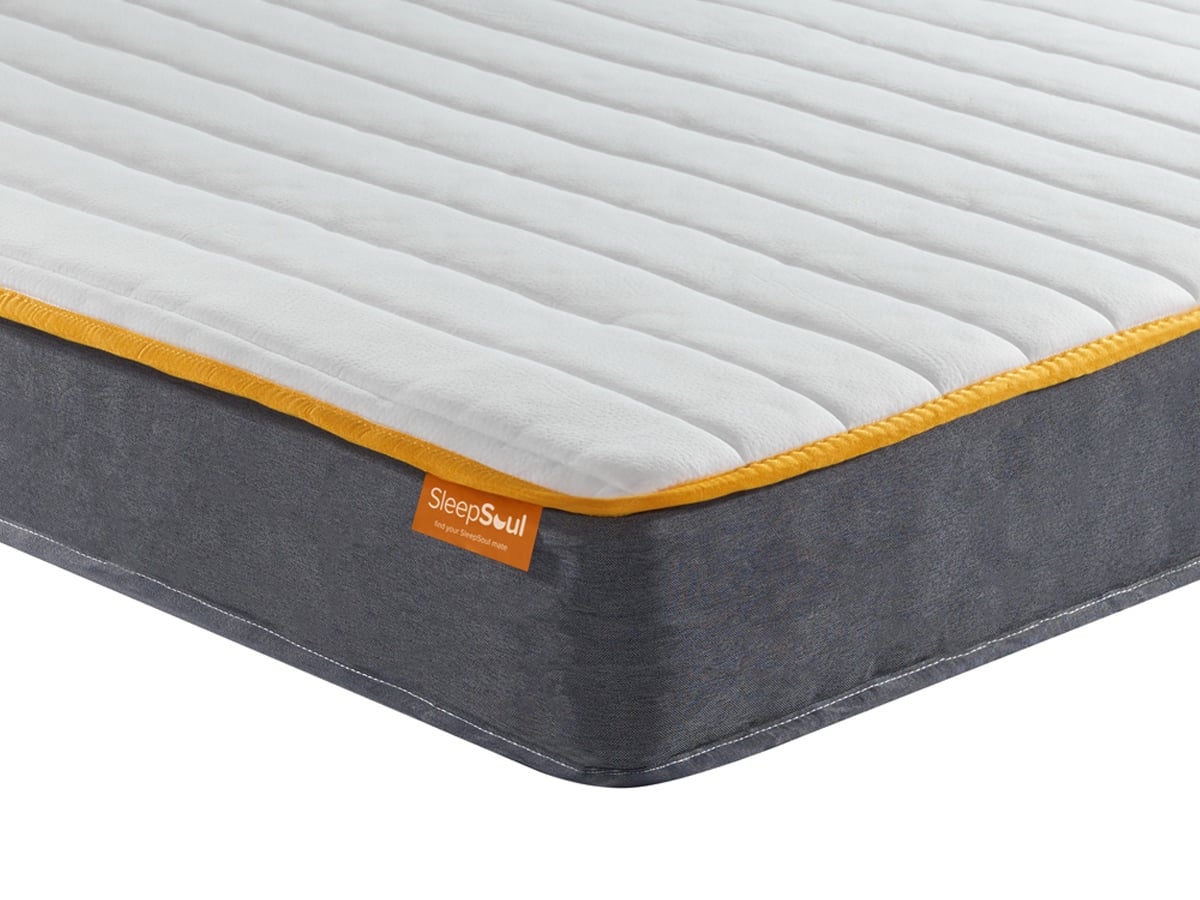
Note that mattress comfort varies from one person to another. Your ideal mattress should keep your spine properly arranged whatever sleeping position you choose. It should feel comfortable enough to help you drift off quickly and sleep through the night.
Quality manufacturers give you trial periods to test their mattresses at home for several weeks. This hands-on testing will give a better match for your needs than just following general advice.
Your mattress choice becomes an investment in health and wellbeing. A quality mattress supporting your body properly can last 7-10 years. Time spent finding the right one pays off. Better sleep leads to improved physical health, mental clarity and life quality overall.
Q1. How do I determine the right mattress firmness for my sleeping position? The ideal firmness depends on your sleeping position. Side sleepers generally benefit from softer mattresses (4-6 on the firmness scale), back sleepers need medium-firm to firm options (6-8), and stomach sleepers should opt for medium to medium-firm mattresses (5-7) to maintain proper spinal alignment.
Q2. What mattress materials are best for temperature regulation? For those who sleep hot, mattresses with cooling features are ideal. Look for options with built-in cooling technology like gel-infused foam, breathable construction such as innerspring or hybrid mattresses, or natural materials that promote airflow and moisture-wicking.
Q3. How does body weight affect mattress choice? Your weight significantly influences mattress comfort. Individuals over 230 pounds typically need firmer mattresses to prevent excessive sinking, while those under 130 pounds often find softer mattresses more comfortable as they allow for proper pressure relief on joints.
Q4. What should I consider when choosing a mattress size? When selecting a mattress size, ensure it's at least 10cm longer than the tallest person using it. For couples, a king-size or larger is recommended, especially if either partner is over 6ft tall. Also, consider your bedroom dimensions to ensure the mattress fits comfortably in your space.
Q5. How can I test if a mattress provides proper support? A practical method to test mattress support is to lie on your back and slide your hand under the arch of your back. If there's a large space, the mattress may be too firm. If you can't slide your hand in at all, it might be too soft. The ideal mattress allows your hand to slide in easily while maintaining contact with your back.