




Table of Contents
How to Get Better Sleep
Your sleep should be your own personal sanctuary. A time when you can escape from racing thoughts and restore your energy for tomorrow. Yet more than 60 million Americans suffer from poor sleep quality. Getting better sleep isn't just about feeling well-rested—it's about protecting your entire health.
Poor sleep quality regularly raises your risk of serious health conditions, from heart disease and stroke to obesity and dementia. What's more, it negatively affects your memory, concentration and mood, whilst also increasing your risk for depression and type 2 diabetes.
Here's what's encouraging though: when you understand the science of sleep, you can make simple but powerful changes to your routine. A single dose of late caffeine can reduce your total sleep time by 45 minutes and decrease overall sleep efficiency by 7%. Going to bed late or following an irregular sleep pattern significantly impacts your sleep quality too.
The brilliant news? Good sleep naturally boosts your mood, reduces stress, and helps with anxiety. Most adults need at least seven hours of quality sleep each night, and with the right sleep hygiene practices and natural sleep aids, you can dramatically improve your sleep quality tonight.
You'll discover practical, science-backed techniques to help you fall asleep faster, stay asleep longer, and wake up feeling refreshed—without prescription medications or complicated routines. Whether you want to calm a restless mind or create the perfect sleep environment, there are proven methods for you to explore.
And because you won't need to overhaul your entire lifestyle, you can start seeing improvements in just one night.
Why should you reset your internal clock?
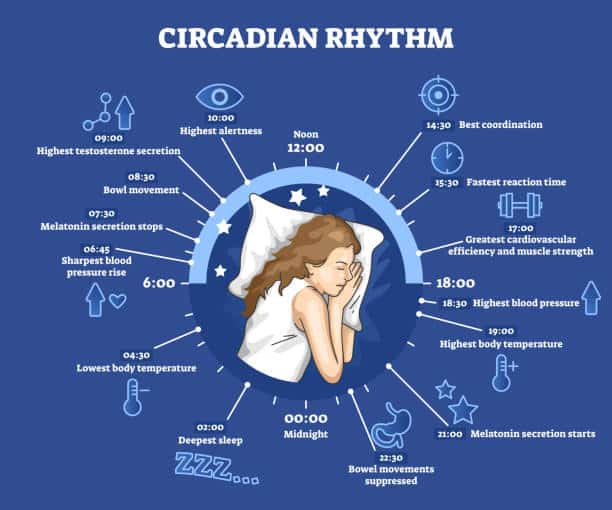
Your circadian rhythm functions as your body's internal clock, controlling when you feel sleepy or alert. Light exposure serves as the strongest external signal for regulating this rhythm, making it crucial for quality sleep.
Get natural sunlight during the day
Morning light exposure is fundamental for resetting your internal clock. When sunlight enters your eyes after waking, it immediately signals your brain to stop producing melatonin (the sleep hormone) and increases cortisol production to boost alertness. This morning light exposure helps set a timer that triggers melatonin production about 14 hours later.
Studies show that each additional hour spent outdoors can advance your bedtime by approximately 30 minutes. People who get 1-2 hours of outdoor light daily report fewer sleep problems and reduced anxiety. For optimal results, aim for at least 15-30 minutes of morning sunlight and a total of one hour outdoors each day.
Takeaway Tip: step outside with your morning coffee or tea to naturally kickstart your body's sleep-wake cycle.

Avoid bright screens 2 hours before bed
Blue light from electronic devices significantly disrupts your sleep cycle. Research indicates that blue light suppresses melatonin production twice as long as green light does. This suppression convinces your body it's still daytime, delaying sleep onset and reducing sleep quality.
A study found that even reading from an e-reader for four hours before bed increased sleep onset latency, reduced evening sleepiness, and delayed the body's biological clock. Stop using electronic devices at least 1-2 hours before bedtime. If unavoidable, use night mode settings or wear blue-light blocking glasses.
Use dim lighting in the evening
Your body naturally prepares for sleep when exposed to diminishing light levels. Warm, amber-toned lighting (2700K-3000K) in the evening works with your biology to promote melatonin production. Bright overhead lighting can prevent this natural wind-down process.
Research demonstrates that reducing evening light exposure to approximately 3 lux results in a substantial shift in melatonin onset. Using dim, warm lights after sunset helps signal to your brain that the day is ending.
Creating a gradual transition from bright to dim lighting mimics natural sunset and helps prepare your body for rest. This approach supports your circadian rhythm and enhances your sleep quality naturally.
Eat, Drink, and Sleep Smarter

What you eat and drink—and when—can make or break your night's rest. Making smarter choices about your evening routine will dramatically improve how well you sleep each night.
Avoid caffeine and alcohol in the evening
Don't be fooled by alcohol's reputation as a nightcap. Each glass consumed predicts a decline of 3 points on a 100-point sleep quality scale the following day. Whilst it might help you fall asleep initially, alcohol disrupts sleep throughout the night by causing more sleep disturbances and reducing REM sleep.
Caffeine presents its own challenges. Each cup of caffeinated beverage reduces total sleep time by approximately 10.4 minutes, with overall sleep efficiency decreasing by 7%. Consume your last cup of coffee at least 8.8 hours before bedtime. Don't forget that caffeine lurks in unexpected places—including decaffeinated coffee, certain sodas, chocolate, ice cream, and some breakfast cereals.
Don't eat large meals close to bedtime
Eating within one hour of bedtime more than doubles your chances of experiencing wake periods after sleep onset. High-fat foods are particularly troublesome, as they take longer to digest and can disrupt sleep patterns. Spicy foods may worsen sleep by causing heartburn, which intensifies when lying down, and can increase core body temperature—interfering with your body's natural cooling process during sleep.
Takeaway Tip: finish your last meal at least 2-3 hours before bedtime for better sleep.
Why not try complex carbohydrates like whole-wheat toast or oatmeal if you need a bedtime snack? These trigger the release of serotonin without requiring lengthy digestion.
Stay hydrated but limit fluids before bed

Proper hydration is essential for quality sleep, as even minor dehydration can cause discomfort, muscle cramps, headaches, and dry mouth that disrupt sleep. However, drinking too much before bed brings its own problems—namely, middle-of-the-night bathroom trips that interrupt your sleep cycle.
Simply follow these guidelines: stop consuming large amounts of fluid 1-3 hours before bedtime. If you're prone to bladder issues, extend this to 2-3 hours. Throughout the day, maintain consistent hydration rather than playing catch-up in the evening. Limiting diuretics like alcohol and caffeine in the evening will further help maintain proper hydration without increasing nighttime awakenings.
Explore Natural Sleep Aids and Supplements
Once you've mastered your sleep environment and evening routine, certain natural supplements can give your sleep that extra boost it needs.
Use melatonin supplements cautiously
Melatonin is a hormone naturally produced by your pineal gland that regulates your sleep-wake cycle. This hormone increases after dark, peaks in early morning hours, and decreases during daylight. Supplements can help reset your body's internal clock, particularly for jet lag or delayed sleep phase syndrome.
For optimal results, take 1-3 mg about two hours before bedtime. Don't exceed this dosage though - higher amounts won't provide additional benefits. Avoid melatonin if you're pregnant, breastfeeding, or have an autoimmune disorder, seizure disorder, or depression.
Embrace soothing herbal teas
Chamomile tea contains apigenin, a compound with mild tranquillising effects once it binds to receptors in your brain. Studies show postpartum women who drank chamomile tea experienced reduced sleep barriers.

Valerian tea might help you fall asleep faster too. Approximately 90% of people report improvements in sleep quality after drinking it. This herb contains natural sedatives called valepotriates and sesquiterpenes.
Consider magnesium or valerian root if needed
Magnesium plays an essential role in sleep regulation by enhancing GABA activity, which promotes relaxation. A study with 46 older adults found that 500 mg daily for eight weeks significantly increased sleep time and efficiency.
Valerian root shows promise as a supplement, with studies indicating 300-600 mg taken an hour before bedtime can help with falling asleep. Short-term intake of valerian root appears safe for most adults, with only minor side effects reported.
Takeaway Tip: Always start with the lowest recommended dose and consult your GP if you're taking other medications.
What if your mind won't switch off?
Racing thoughts often sabotage sleep. Research shows over 44% of adults reported stress-related sleepless nights at least once monthly. The good news? Several techniques can help quiet your mind.
Write down worries or to-do lists before bed
Keeping a worry journal works brilliantly—dedicate 15 minutes early evening to log troublesome thoughts. This practice helps contain worries so you aren't bringing concerns to bed. Some find writing down worst-case scenarios beneficial, as labelling emotions creates distance from them.
Use mindfulness or CBT techniques
Cognitive Behavioural Therapy for Insomnia (CBT-I) is recommended by medical authorities as the first-line treatment for chronic insomnia. This approach helps you:
- Identify and challenge sleep-disrupting thoughts
- Learn relaxation techniques like meditation and muscle relaxation
- Practise "remaining passively awake"—letting go of sleep worry
Counting breaths can immediately calm racing thoughts—inhale (one), exhale (two)—repeating until reaching ten.

Avoid mentally stimulating tasks before sleep
Can't sleep within 15-20 minutes? Apply the quarter-hour rule: get up, leave the bedroom, and do something non-stimulating for 20-30 minutes before returning to bed. This prevents associating your bed with wakefulness.
Takeaway Tip: choose a boring activity like reading a dull book or doing gentle stretches—nothing that might energise you further.
Seek help for chronic insomnia or anxiety
Sleep problems persisting for three or more nights weekly for over three months may indicate chronic insomnia. Professional help becomes essential, primarily through CBT-I available through the NHS. Occasionally, medication might be prescribed if CBT-I isn't available or effective.
Don't struggle alone—your GP can provide guidance on the best treatment options for your situation.
Create your perfect sleep sanctuary tonight

Sleep quality affects virtually every aspect of your health and wellbeing. So improving your sleep should rank among your top health priorities. The changes outlined in this guide might seem small individually, but together they create a powerful system worth shouting about.
Your body thrives on consistency. Resetting your internal clock through proper light exposure whilst managing what and when you consume creates the foundation for truly restful nights. Natural supplements can provide that extra edge when used appropriately and with proper caution.
Most importantly though, calming your mind remains essential for quality sleep. Even the perfect sleep environment proves useless if your thoughts race uncontrollably. The techniques shared—from worry journals to mindfulness practices—offer practical tools you can implement tonight.
Don't forget that sleep improvement rarely happens overnight. View better sleep as a JOURNEY rather than a destination. Start with one or two changes that feel most manageable, then gradually incorporate others as they become habits. These science-backed approaches will work together to help you fall asleep faster, stay asleep longer, and wake feeling genuinely refreshed.
Whether you want to create a calming sanctuary or tackle those restless thoughts, remember that your bedroom should reflect your needs and personality. Small changes can make a big difference to the quality of your rest.
Sleep well tonight—your mind and body will thank you tomorrow.
Key Takeaways
Transform your sleep quality tonight with these evidence-based strategies that address the root causes of poor sleep and restless minds.
• Reset your circadian rhythm: Get 15-30 minutes of morning sunlight and avoid screens 2 hours before bed to naturally regulate your sleep-wake cycle.
• Time your consumption wisely: Stop caffeine 8+ hours before bedtime and finish meals 2-3 hours early to prevent sleep disruption.
• Calm racing thoughts: Write down worries 15 minutes before bed and use the quarter-hour rule—leave bed if awake after 20 minutes.
• Consider natural aids cautiously: Try 1-3mg melatonin two hours before sleep or chamomile tea, but consult professionals for chronic insomnia lasting 3+ months.
• Prioritise consistency over perfection: Start with one manageable change and gradually build habits—quality sleep is a journey requiring patience and persistence.
These science-backed techniques work synergistically to help you fall asleep faster, stay asleep longer, and wake feeling genuinely refreshed without relying on prescription medications.
FAQs
Q1. How can I improve my sleep quality tonight? Implement a consistent sleep schedule, create a restful environment by keeping your room cool and dark, avoid caffeine and large meals close to bedtime, and try relaxation techniques like mindfulness or writing down worries before bed.
Q2. What is the ideal time to stop consuming caffeine before bed? It's recommended to stop consuming caffeine at least 8 hours before bedtime to prevent sleep disruption. This allows enough time for the caffeine to be metabolised and its stimulating effects to wear off.
Q3. How can I calm my racing thoughts before sleep? Try writing down your worries or to-do lists about 15 minutes before bed. This can help clear your mind and prevent these thoughts from keeping you awake. You can also practise mindfulness techniques or use cognitive behavioural therapy methods.
Q4. Are there any natural supplements that can help improve sleep? Some natural supplements that may help improve sleep include melatonin (1-3 mg taken about two hours before bedtime), magnesium, and valerian root. Herbal teas like chamomile can also promote relaxation. However, it's important to use these cautiously and consult with a healthcare professional if you have any concerns.
Q5. What should I do if I can't fall asleep after 20 minutes? If you're unable to fall asleep within 15-20 minutes, apply the "quarter-hour rule". Get out of bed, leave the bedroom, and engage in a non-stimulating activity for 20-30 minutes before returning to bed. This helps prevent associating your bed with wakefulness and can reset your mind for sleep.