



Table of Contents
Small Bedroom Design Ideas
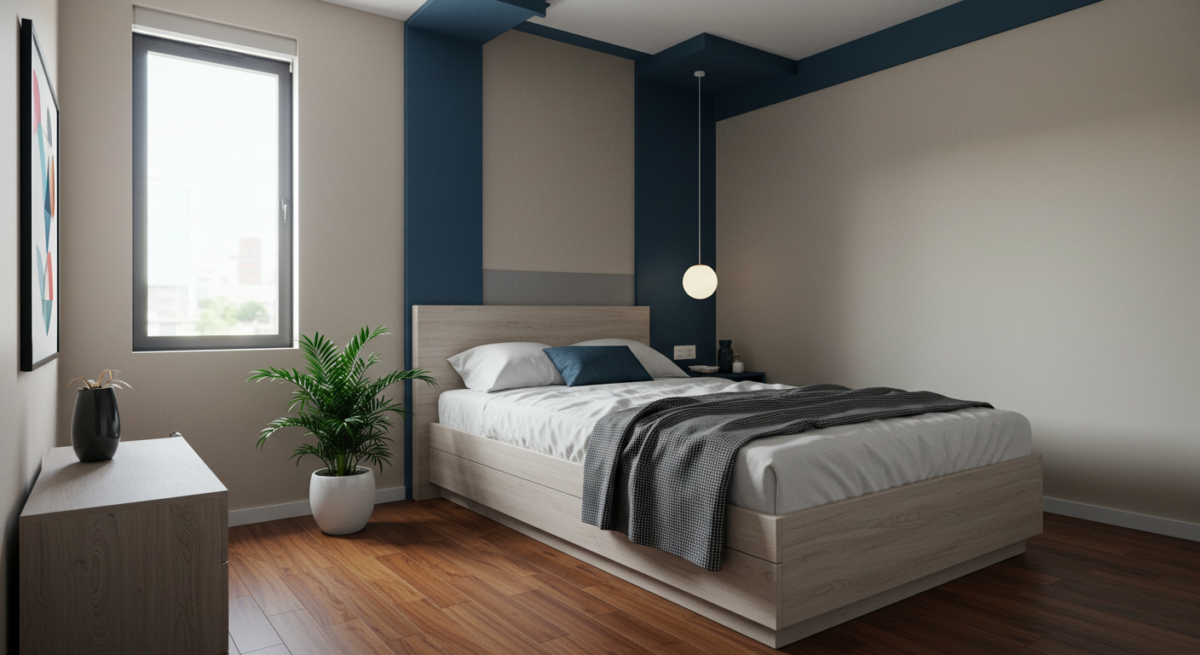
Does your tiny bedroom feel more like a cramped cupboard than a restful retreat? Small bedroom design ideas can work wonders, turning even the most challenging spaces into stylish sanctuaries. Rooms as compact as 275 square feet can become surprisingly manageable with smart design choices.
Your small bedroom doesn't have to feel limiting—it's actually packed with exciting possibilities. Smart storage solutions help you use every precious inch while banishing clutter. Light, fresh colour schemes create the illusion of space, and thoughtful layouts ensure your limited square footage works harder for you. Got the budget for something special? Bespoke joinery like a built-in bed works brilliantly, especially in rooms with those tricky pitched roofs.
Here's the thing: your layout makes all the difference to how your small bedroom actually functions. Push your bed against a wall and you'll instantly gain valuable walking space. Choose a divan bed with built-in storage and you've solved your bedding storage challenge in one go. Every detail matters when space is tight—think nightstands with proper drawer space or pull-out shelves that give you the desk area you're missing.
Ready to make your small bedroom feel surprisingly spacious and wonderfully cosy? Let's dive into practical solutions that will help you create a bedroom that feels anything but small.
Plan Your Small Bedroom Layout
Smart planning makes all the difference between a cluttered mess and a beautifully functional small bedroom. You can't just squeeze furniture wherever it might fit—your compact space needs a proper strategy. A methodical approach helps you make the most of every precious centimetre.
Measure the space and sketch a floor plan
Before you buy a single piece of furniture or move anything around, grab your tape measure. Start by sketching your room's shape on graph paper or use a digital tool—doesn't need to be perfect, just accurate. Measure the length and width of each wall, jotting down the exact dimensions on your sketch. Mark where your windows, doors, radiators, plug sockets sit, plus any fixed obstacles like fireplaces or chimney breasts.
For spot-on planning, measure:
- Total length and height of each wall
- Width and height of windows and doors (including frames)
- Distance from corners to windows and doors
- Location of electrical outlets, switches and fixed features
"The most crucial part to get right when designing your small bedroom is the layout of your bed and other furniture," notes bedroom design experts. These accurate measurements let you work out exactly what furniture will fit and where it should go.
Decide on bed placement first
Your bed takes up the most space, so sort out its position before anything else. "Your bed is definitely the focal point of the room, so you want to know it's in the best place it can be," according to interior design experts.
Several smart approaches work brilliantly in small spaces:
- Position against the longest uninterrupted wall to create visual flow
- Place opposite the bedroom door to make the space feel more open
- Consider positioning under a window to free up wall space for other furniture
- Push the bed into a corner to maximise floor area in really tight spaces
"In most small bedrooms, placing the bed against the longest uninterrupted wall is the most space-efficient choice," explains interior designer Mohammad Ahmed. This arrangement helps your room feel longer whilst allowing easy movement around the bed.
Struggling with seriously limited floor space? Consider vertical solutions. "One of the easiest ways to make more space in your bedroom is to get your bed off the floor with either a loft bed or bunk bed," suggest space-saving experts. You'll create valuable room underneath for a desk or extra storage.
Leave room for movement and storage access
Poor planning can seriously mess with both comfort and practicality. "A poorly positioned bed can compromise traffic flow, limit decorative options, and create a feeling of clutter," note bedroom design specialists. Make sure you keep clear pathways around your room.
You'll need adequate clearance for:
- Opening wardrobe doors fully without obstruction
- Accessing drawers and storage units comfortably
- Moving around the bed easily, especially if you share
- Opening bedroom doors without hitting furniture
"Good circulation not only improves physical comfort but also helps create a peaceful and orderly atmosphere," emphasise bedroom design experts. Allow at least 60-70cm of walking space around key areas—this stops your bedroom feeling cramped or impractical.
Space exceptionally tight? Consider pushing the bed against a wall, "preferably beneath your window so you can at least enjoy the view and use the sill as an impromptu bedside table". Just remember this makes bed-making trickier with limited access from one side only.

Careful planning from the start creates the foundation for everything else. A well-thought-out floor plan ensures your space works smoothly whilst supporting the beautiful elements that will turn it into your perfect retreat.
Choose the Right Furniture for Small Spaces
Your furniture choices can make or break a compact bedroom. When every square inch counts, each piece needs to work twice as hard—bringing both style and function to your space. Smart selections turn cramped quarters into comfortable, stylish retreats that feel surprisingly spacious.
Opt for low-profile or slimline beds
Your bed claims the biggest chunk of floor space, so this decision matters most. Low-profile bed frames work wonders by creating visual breathing room and letting light flow freely around your bedroom. These sleek, contemporary designs offer lasting comfort whilst keeping things beautifully minimal.
Low beds are absolute lifesavers in rooms with slanted ceilings or awkward shapes. Their streamlined style prevents that closed-in feeling you get with bulky bed frames, creating precious breathing space above your mattress. You'll find low platform beds in every size from single to king, and many can be customised to fit your exact space.
Here's where low beds get really clever: many come packed with storage solutions. Look for designs featuring under-bed drawers or lift-up mechanisms that hide away bedding, clothes, or those bulky winter items. As one manufacturer puts it, "A storage bed with a lift-up mechanism is an innovative solution for small rooms".

Use multifunctional pieces like ottomans or sofa beds
Multifunctional pieces are absolute game-changers in tight spaces. Why settle for furniture that does just one job when you can have pieces that multitask brilliantly?
Your best dual-purpose options include:
- Ottoman storage benches that provide seating, storage and even double as side tables
- Sofa beds that switch from comfortable daytime seating to proper sleeping space
- Nest of tables you can scatter around when entertaining, then stack away neatly
- Tallboys that shoot upward instead of outward, using precious vertical space
"When space is limited, your furniture needs to multitask," and this couldn't be more true. Ottomans with lift-up lids can swallow winter clothing, spare pillows, or those bulky items that would otherwise clutter your room. A dressing table that moonlights as a desk? Perfect for creating that multipurpose workspace without cramming in extra furniture.
For seriously tight bedrooms, consider beds that convert into sofas during the day. These clever designs essentially give you an extra room within your limited square footage—pretty brilliant when you think about it.

Avoid oversized wardrobes and bulky dressers
Chunky furniture will overwhelm your small bedroom faster than you can say "cramped". Skip the oversized pieces and opt for slimline alternatives that provide proper storage without hogging your room.
Fitted wardrobes are your secret weapon here. "Fitted wardrobes are one of the best solutions for making the most of your space, and they can work wonderfully in both small and large bedrooms". Unlike bulky freestanding wardrobes, fitted designs use every inch—even those awkward corners and sloped ceilings that would otherwise sit empty.
Can't squeeze in a wardrobe at all? Think outside the box. Some beds can "store a wardrobe's worth of clothes" through brilliant built-in storage systems. Or try a slim chest of drawers that fits into tight spots—tall, narrow designs with multiple drawers maximise storage whilst keeping their footprint tiny.
Takeaway Tip: look for narrow dressers under three feet wide. These space-savers come in gorgeous styles from farmhouse to contemporary, proving compact doesn't mean compromising on looks.
Wall-mounted or floating storage units free up floor space completely, creating that open, airy feeling you're after. Your small bedroom will thank you for choosing pieces that work harder, not bigger.
Maximise Storage Without Clutter
Storage becomes your secret weapon in small bedrooms where every centimetre matters. Even the tiniest spaces can become beautifully organised sanctuaries with smart storage solutions that banish clutter whilst keeping style front and centre. The secret? Spotting hidden storage potential in places you might never have considered.
Use under-bed drawers or lift-up beds
That space beneath your bed? It's storage gold waiting to be discovered. As experts reveal, "Your bed has a secret. It's hiding storage space". This overlooked area can house seasonal clothing, spare bedding, or those bulky winter items without stealing a single inch of precious floor space.
Your under-bed storage options include:
- Specialised storage boxes with tight-fitting lids to keep dust away
- Pull-out drawers that blend seamlessly with your bed frame
- Ottoman beds with hydraulic lift mechanisms for maximum storage capacity
Ottoman beds deliver perhaps the most impressive storage solution—lift the entire mattress area to reveal a generous hidden compartment. "If you need a larger storage space, opt for an ottoman bed that has plenty of room for household items from linen to unseasonal clothes". These clever beds provide substantial hidden storage whilst maintaining that sleek, uncluttered look you're after.
Not buying a new bed? Don't worry—retrofit solutions work brilliantly too. Vacuum storage bags compress bulky items "to a fraction of their size", whilst purpose-built underbed containers often come with wheels for effortless access. Some are even "small enough that you can fit two of them under a normal sized bed", so you can squeeze every bit of storage from the available space.
Install floating shelves or wall-mounted units
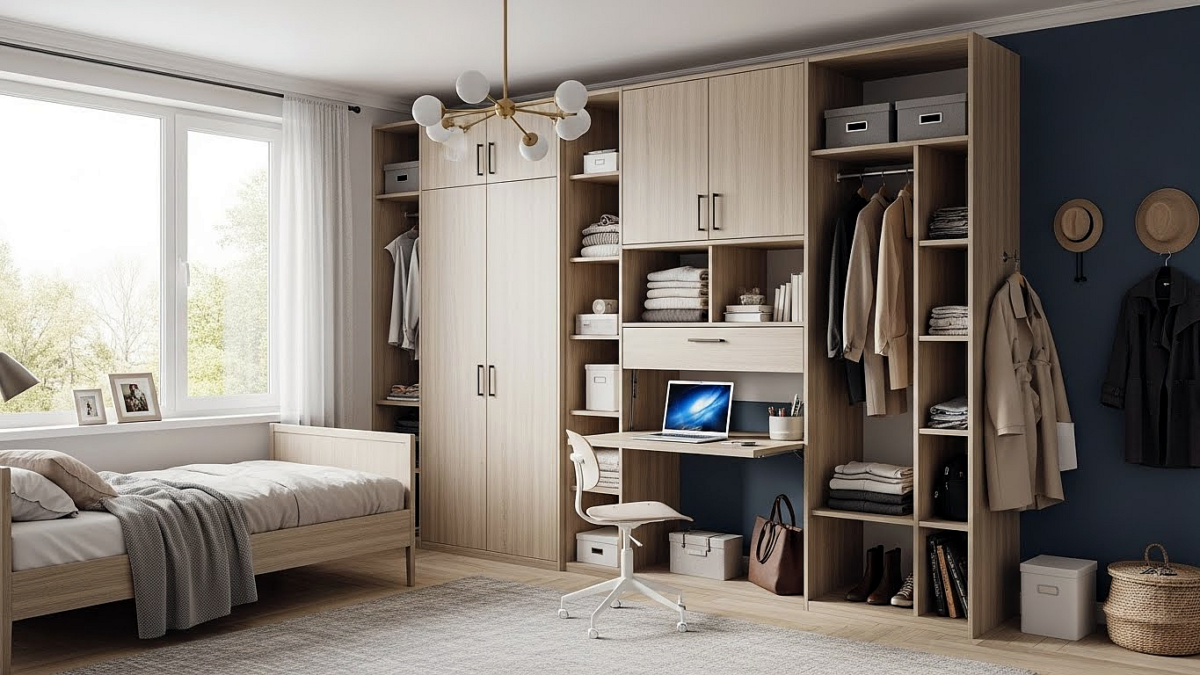
Floor space at a premium? Look up! Floating shelves transform blank walls into practical storage zones without the bulk of freestanding furniture. They "turn empty walls into a museum of you where you can store and show off your things".
Wall-mounted storage works particularly well in compact bedrooms because it:
- Keeps floors clear, instantly creating more visual space
- Makes use of vertical areas that would otherwise go to waste
- Can be tailored to fit awkward walls or tricky corners
"Floating shelves are not only practical but also stylish, helping to optimise wall space while keeping the floor clear for movement". Pop them above your bed for displaying favourite pieces, beside the bed as sleek nightstand alternatives, or in corners that might otherwise stay empty.
Want maximum impact? Mix shelf depths and styles based on what you're storing. Deeper shelves work perfectly for folded clothes or storage baskets, whilst slimmer options suit books or decorative pieces. "With wall shelf section systems, you can design a storage solution that fits your exact needs", adapting as your storage needs change over time.
Incorporate built-in wardrobes or alcove storage
Built-in storage turns awkward architectural quirks into storage assets, creating a sleeker, more polished look at the same time. "Fitted wardrobes are the ideal solution for smaller bedrooms with limited space, offering a seamless blend of functionality and style".
Unlike off-the-shelf furniture, fitted wardrobes can be designed to:
- Use every inch from floor to ceiling
- Fit perfectly into irregular alcoves or under sloping ceilings
- Include custom internal features like adjustable shelving
"Because our wardrobes are installed floor-to-ceiling and wall-to-wall, they remove any awkward gaps and help you reclaim dead space". This seamless approach creates clean, unbroken lines whilst making the most of every available inch.
Alcoves offer particularly exciting opportunities in small bedrooms. These recessed spaces, often seen as design challenges, become perfect spots for bespoke storage. "A fitted wardrobe can be tailored to slot beautifully into an otherwise awkward to decorate nook, transforming unused space into a stylish storage area".
Beyond wardrobes, think creatively about alcove storage solutions. Window seats with hidden compartments, custom bookshelves, or bench seating with lift-up lids all make brilliant use of these unique architectural features. "One versatile bedroom alcove storage idea is to add in a bench seat that opens up to provide you with room for out-of-sight storage".
With thoughtful storage planning, even the smallest bedroom becomes both beautifully functional and visually appealing—free from the clutter that makes compact spaces feel cramped and chaotic.
Use Light and Colour to Open Up the Room

Want to know the secret to making your tiny bedroom feel twice the size? It's all about clever use of light and colour. These visual tricks work together to create optical illusions that completely change how spacious your room appears.
Stick to light, neutral tones for walls and bedding
Light-reflective colours are your best friends when you're dealing with a compact space. Off-white, pale blue, taupe, and soft greens work wonders by bouncing light around your room, instantly creating that airy feel. Trust us—these fresh, bright tones will open up your space far better than darker colours ever could.
Here are some brilliant space-enhancing colour choices:
- Clean white creates a beautifully calm atmosphere whilst keeping things soft and cosy
- Pale blue gently opens up your space, looking absolutely gorgeous when natural light filters through
- Light green pairs perfectly with white for a modern, welcoming feel
- Taupe lifts your mood while adding just the right touch of subtle colour
Here's a clever trick: paint your walls and ceiling in the same light shade. This "fifth wall approach" removes those visual boundaries that make rooms feel smaller. Colour experts explain it perfectly: "colour drenching blurs all the edges, stopping your eye from noticing where one surface ends and another begins, instantly making the room feel bigger and more seamless".
Add mirrors to reflect light and create depth
Mirrors are absolutely brilliant for making small bedrooms appear larger and brighter. Position them thoughtfully and they'll create amazing optical illusions that expand even the most cramped spaces.
The most effective mirror placements include:
Pop a full-length mirror in the corner—it'll enhance your perceived space whilst brightening everything up. Positioning mirrors opposite windows works like magic, reflecting outdoor scenery inside and essentially "borrowing" views that add depth. For maximum impact, try placing mirrors perpendicular to windows to bounce light throughout your room.
Got an extremely small bedroom? Consider mirrored wardrobe doors. They give you essential storage whilst creating the illusion of doubled space. Mirrored alcoves on either side of architectural features add glamour and expand your visual footprint beautifully.
Use sheer curtains to maximise natural light
Natural light makes all the difference in helping small bedrooms feel more expansive. Heavy drapes block precious sunlight, but sheer fabrics let it filter through whilst maintaining your privacy.
Choose lightweight materials like cotton, voile or muslin that allow maximum sunshine to flood in. These fabrics create that lovely airy effect that helps your space feel open and fresh. Don't forget—matching your curtain colours to your wall paint creates seamless visual flow, which enhances that spacious feeling even more.
For really tiny bedrooms, you might even skip window treatments altogether if privacy isn't an issue. Otherwise, compact blackout roller blinds give you night-time darkness without the bulk of heavy curtains.
Add Personality with Textures and Decor
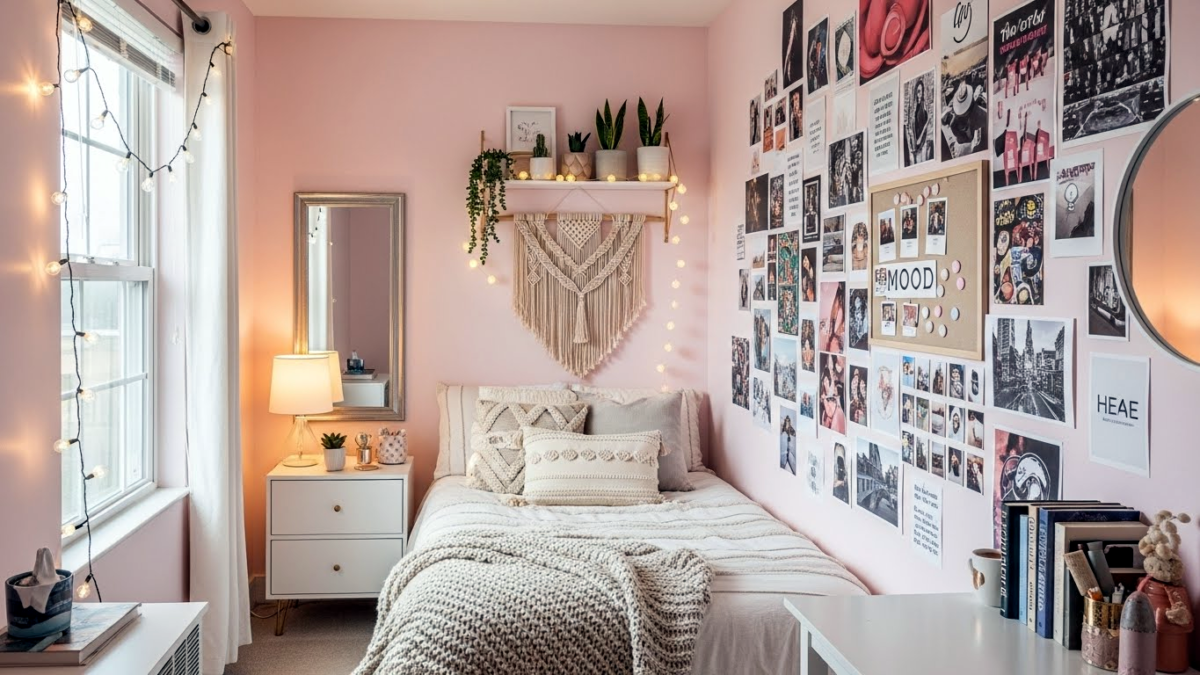
Your small bedroom doesn't have to sacrifice personality for practicality. Space might be limited, but thoughtful touches of texture and meaningful decor can transform your functional room into a truly personal sanctuary that reflects your unique style.
Layer cushions, throws, and rugs for warmth
Textures are your secret weapon for adding depth and visual interest without eating up precious floor space. Layering different textiles creates that rich, cosy feeling every bedroom needs. Here are some winning combinations:
- Crisp Egyptian cotton sheets topped with chunky wool blankets
- Matte velvet headboards paired with shiny silk cushions
- Waffle, ruffle or patterned cushions from the same colour family
Carefully chosen cushions, wool throws and even patterned rugs instantly add colour and pattern exactly where you need them, giving you the chance to introduce new colours without any long-term commitment. These soft furnishings create quiet drama whilst keeping your space calm and tactile.
For flooring, wool-blend carpets provide both warmth and durability—wool proves warmer and more hardwearing than synthetic alternatives. Even in the most minimalist bedrooms, these texture variations add depth and interest whilst staying within a controlled colour palette.
Use vertical wall art or murals to draw the eye upward
Wall art does more than just look pretty—it actually changes how your space feels. Vertical lines naturally draw your eye upward, creating an instant illusion of height. This clever visual trick makes your room feel bigger without any building work.
A single framed print above your bed creates a stylish focal point, whilst smaller pieces grouped together form a gallery wall that feels distinctly you. Try placing artwork perpendicular to windows—the light reflection helps amplify that sense of space even more.
Wall art doesn't take up any floor space, making it perfect for tiny bedrooms that need personality without sacrificing function. Above all, vertical pieces transform limited space into something captivating and visually dynamic.
Keep decor minimal but meaningful
When space is tight, every decorative item needs to earn its place through both beauty and significance. Focus on fewer, higher-quality statement pieces rather than loads of smaller decorations. Natural materials like wood, stone, metal, glass, and woven fabrics bring organic warmth without overwhelming your space.
Display cherished items like family photos or travel souvenirs to add personal layers that tell your story. Cluster these meaningful objects in odd numbers—this creates visual harmony whilst preventing that random, scattered look that can make small spaces feel cluttered.
Don't forget that creating deliberate spaces of emptiness is essential for maintaining that calm atmosphere. Minimalism doesn't mean boring—by thoughtfully curating each element, your small bedroom gains distinctive character whilst keeping the breathing room you need for comfort and relaxation.
Smart Lighting Ideas for Small Bedrooms

Good lighting can work absolute magic in a small bedroom. The right fixtures don't just brighten your space—they create the illusion of more room whilst adding bags of character. Smart lighting choices help you squeeze every bit of potential from your compact sanctuary.
Use wall sconces or pendant lights to save space
Wall-mounted lights are brilliant space-savers that free up precious bedside table real estate. Install sconces on either side of your bed and you'll instantly eliminate bulky table lamps whilst getting targeted light exactly where you need it. Look for adjustable swing-arm designs that offer flexibility for reading, then tuck away neatly when you're done.
Pendant lights suspended from the ceiling create elegant bedside lighting that keeps surfaces completely clear. Hang them at different heights to add visual interest and highlight specific areas without eating into your floor space. This approach works particularly well when space constraints make traditional bedside tables impossible to fit.
Add LED strips under shelves or behind headboards
LED strip lighting creates subtle ambience that makes your room feel more spacious. Install them behind your headboard to create a gorgeous floating effect that adds depth to the room. Pop them under the bed and you'll get that fascinating hovering illusion whilst providing gentle nighttime navigation light that won't disturb your partner.
Tuck LED strips inside wardrobes or along shelving to illuminate those dark corners and make storage areas far more functional. Hidden along ceiling edges or cornices, they visually extend your room's vertical lines, making it appear taller than it actually is.
Choose warm lighting for a cosy feel
Warm lighting transforms small bedrooms into inviting retreats that balance comfort with practicality. Opt for bulbs with colour temperatures between 2,700K-3,000K—they produce that soft, amber glow that's perfect for relaxation. This warmer spectrum enhances the intimate feel of compact spaces, whilst cooler lights can make small areas feel rather clinical.
Don't forget to choose dimmable options. They give you the flexibility to adjust from bright task lighting to gentle ambient illumination as evening progresses. Layer different light sources at varying heights to create depth whilst maintaining that warm, comforting environment essential for quality rest.
Takeaway Tip: combining three types of lighting—ambient, task, and accent—creates the most welcoming atmosphere in small bedrooms.
Conclusion
Small bedrooms aren't about making compromises—they're about getting creative with clever design ideas that make every square inch work brilliantly. Your compact bedroom can become a stylish, functional sanctuary that feels surprisingly spacious with the right approach.
Planning your layout comes first, and it makes all the difference. Measure everything properly, position your bed where it'll work hardest, and leave enough room to move around comfortably. Get this foundation right and everything else falls into place beautifully.
Your furniture choices can make or break a small bedroom design. Low-profile beds keep things feeling open and airy, whilst multifunctional pieces like ottomans do double duty without taking up extra space. Skip the chunky wardrobes—they'll just overwhelm your room and make it feel cramped.
Smart storage is your secret weapon against clutter. Under-bed storage, floating shelves, and fitted wardrobes use every inch of available space without making your room feel cluttered. These solutions keep your essentials close but out of sight.
Light colours and clever lighting tricks work wonders for opening up tight spaces. Paint your walls in soft, neutral tones, position mirrors to bounce light around, and choose sheer curtains that let maximum sunshine flood in. These simple changes create the illusion of so much more space.
Don't forget to add your personal touch through textures and meaningful decor. Layer soft cushions and throws for warmth, hang vertical artwork to draw the eye upward, and choose a few special pieces that tell your story. Quality beats quantity every time in small spaces.
Smart lighting puts the finishing touches on your design. Wall sconces free up precious bedside table space, LED strips add subtle depth, and warm lighting between 2,700K-3,000K creates that cosy atmosphere you're after.
Your small bedroom can feel wonderfully spacious, perfectly functional, and completely personal. With these practical ideas, you can create a peaceful retreat that feels anything but small—your own personal sanctuary that works beautifully for your lifestyle.
Key Takeaways
Transform your cramped bedroom into a spacious, stylish sanctuary with these essential design strategies that maximise every inch whilst maintaining comfort and personality.
• Plan your layout first: Measure precisely, position your bed against the longest wall, and ensure 60-70cm clearance for movement around furniture.
• Choose multifunctional furniture: Opt for low-profile beds with storage, ottomans that double as seating, and avoid bulky wardrobes that overwhelm small spaces.
• Maximise vertical storage: Use under-bed drawers, floating shelves, and floor-to-ceiling fitted wardrobes to eliminate clutter without consuming floor space.
• Create visual expansion: Light neutral colours, strategically placed mirrors opposite windows, and sheer curtains make rooms appear significantly larger.
• Layer textures thoughtfully: Add personality through varied textiles like throws and cushions whilst keeping decor minimal but meaningful to avoid overwhelming the space.
Small bedrooms aren't about compromise—they're about clever design that makes every square foot work harder whilst creating a cosy retreat that feels surprisingly spacious.
FAQs
Q1. How can I make my small bedroom look bigger? Use light, neutral colours for walls and bedding, add mirrors to reflect light, and opt for sheer curtains to maximise natural light. These techniques create an illusion of more space and openness.
Q2. What type of bed is best for a small bedroom? Low-profile or slimline beds are ideal for small bedrooms. Consider options with built-in storage like under-bed drawers or ottoman beds to maximise space efficiency.
Q3. How can I maximise storage in a tiny bedroom? Utilise vertical space with floating shelves, install built-in wardrobes, and use multifunctional furniture like storage ottomans. Don't forget to make use of under-bed space for hidden storage.
Q4. What lighting options work best in compact bedrooms? Wall sconces or pendant lights save valuable surface space. Consider adding LED strips under shelves or behind headboards for subtle illumination. Choose warm lighting (2,700K-3,000K) for a cosy atmosphere.
Q5. How can I add personality to my small bedroom without cluttering it? Focus on fewer, high-quality decorative pieces rather than numerous small items. Use vertical wall art to draw the eye upward, and add texture through cushions and throws. Keep decor minimal but meaningful to reflect your personal style.