


403 Forbidden
ERR_WEB_NGX_403

Creating the perfect bedroom isn't just about having a comfortable mattress. Your bedding choices play an equally crucial role in ensuring a fantastic night's sleep.
From temperature-regulating duvets to supportive pillows, and from luxurious brushed cotton bedding to crisp white bedding sets, each element contributes to your overall comfort and sleep quality.
Just like a well-orchestrated symphony, these bedding components work together harmoniously to create the perfect sleep environment. Making informed choices about your bedding essentials is crucial, as each piece contributes uniquely to your comfort and sleep quality. Let's explore how to select the perfect bedding elements for your needs.
This comprehensive guide will walk you through choosing the ideal bedding components, including duvets, pillows, sheets, and complete bedding sets, ensuring you create the most comfortable sleep sanctuary possible.
When it comes to duvets, you'll typically find two main filling options: synthetic hollow fibre and animal feathers (also known as "down" in premium quality products). While both materials have their merits, it's essential to understand their unique characteristics to make an informed choice.
Though feather and down duvets have a loyal following due to their luxurious feel, they come with two significant drawbacks: they're not cruelty-free, and they can trigger allergies in many people. That's why we strongly recommend hollow fibre as your go-to choice. Modern hollow fibre duvets offer exceptional warmth while remaining breathable and lightweight, plus they compress easily for storage.


Pictured: Silentnight Just Like Down Duvet – 10.5 Tog
Here's a little-known secret about hollow fibre duvets: the quality is remarkably consistent across different price points, so there's no need to splurge on expensive options. Instead of investing in a pricey all-season duvet, we recommend purchasing separate summer and winter duvets.
This approach allows you to fine-tune your comfort levels throughout the year, ensuring optimal sleep regardless of the season.

Pro tip: When it's time to store your out-of-season duvet, invest in a vacuum storage bag. These brilliant space-savers can compress your duvet to just 20% of its original size, making storage a breeze.
Moving on to pillows, the three most popular filling materials are hollow fibre, memory foam, and down. Each material offers distinct benefits for different sleep preferences and needs.
For those seeking firm support, memory foam pillows are the top choice. The dense nature of memory foam helps it maintain its shape throughout the night, without any air pockets that might collapse under pressure. This consistent support is particularly beneficial for those with neck or shoulder issues.

When it comes to medium and soft pillows, hollow fibre is your best bet. These pillows offer a perfect balance of support and comfort, bouncing back to shape instantly while providing just the right amount of give. They're also excellent for those who prefer white bedding, as they're easy to clean and maintain.
While feather and down pillows offer unmatched airiness and luxury, we maintain our earlier reservations about their ethical implications and potential allergy concerns.


Pictured: (Pair) Silentnight Quilted Duck Feather Pillow
For optimal sleep posture, we recommend using one firm pillow rather than stacking multiple soft ones. Side sleepers should opt for a single firm pillow, while back sleepers will find better support with one medium-firm pillow. Front sleepers should either use one soft pillow or consider sleeping without one altogether.
When selecting bed sheets, prioritise smooth, fitted options. The best sheets feature elastic straps that secure them firmly to your mattress, preventing any annoying bunching or rippling during the night. This is particularly important with brushed cotton bedding, which can be slightly heavier than standard cotton.
For the ultimate in comfort and breathability, nothing beats 100% cotton sheets, particularly Egyptian or organic varieties. Cotton's natural properties make it exceptionally soft, breathable, and easy to maintain. It's also the perfect choice for those who prefer classic white bedding, as it maintains its crisp appearance wash after wash.
If you're working with a tighter budget, polycotton sheets offer a reasonable compromise, while polyester sheets are the most economical choice. However, be aware that pure polyester can feel somewhat synthetic and may not provide the same level of comfort as natural fibres.
While fitted sheets are generally the most practical choice, some people prefer flat sheets for their versatility. Flat sheets can serve double duty as an extra layer between you and your duvet, offering additional temperature regulation options.
Your choice of pillowcases and duvet covers is crucial for bedtime comfort, as these are the surfaces you'll be in direct contact with throughout the night. They should possess three essential qualities: softness, breathability, and lightweight construction. These elements work together to create the perfect sleep environment, especially when paired with high-quality brushed cotton bedding or classic white bedding options.

When it comes to selecting the perfect bedding material for different seasons, brushed cotton bedding stands out as the ultimate choice for winter comfort. Its uniquely soft and cosy texture creates a warm cocoon, perfect for those chilly nights. For summer months, traditional 100% cotton bedding, particularly in crisp white bedding styles, offers unparalleled breathability and temperature regulation, helping you stay cool even during the warmest nights.
While microfibre bedding presents itself as a viable alternative, it does come with some limitations. The dense nature of microfibre means it doesn't allow moisture to escape as efficiently as natural fibres, which can lead to an uncomfortable sticking sensation during warmer months. This is particularly noticeable when compared to the natural breathability of cotton or brushed cotton bedding.

For those seeking the pinnacle of luxury, silk bedding offers an indulgent option - if your budget allows. However, it's worth noting that silk's distinctive satin-like texture isn't universally appealing. Some individuals find the smooth surface uncomfortable against their skin, and during winter months, the initial cold touch of silk can be rather jarring. This makes brushed cotton bedding a more practical luxury alternative for many.
Polyester bedding sits at the more economical end of the spectrum, though its quality can vary dramatically between manufacturers. For those seeking a balance between affordability and comfort, we strongly recommend polycotton bedding as the minimum standard. This blend maintains a satisfactory level of softness while offering better durability than pure polyester.
If you're looking to adjust the comfort level of your existing mattress, mattress toppers are available in various thicknesses and comfort grades. These can effectively transform your sleep experience by either softening a firm mattress or adding extra support to a softer one.
Here are some essential guidelines for choosing mattress toppers:
Polycotton and 100% cotton remain the gold standard for mattress topper materials, offering the perfect balance of comfort and breathability
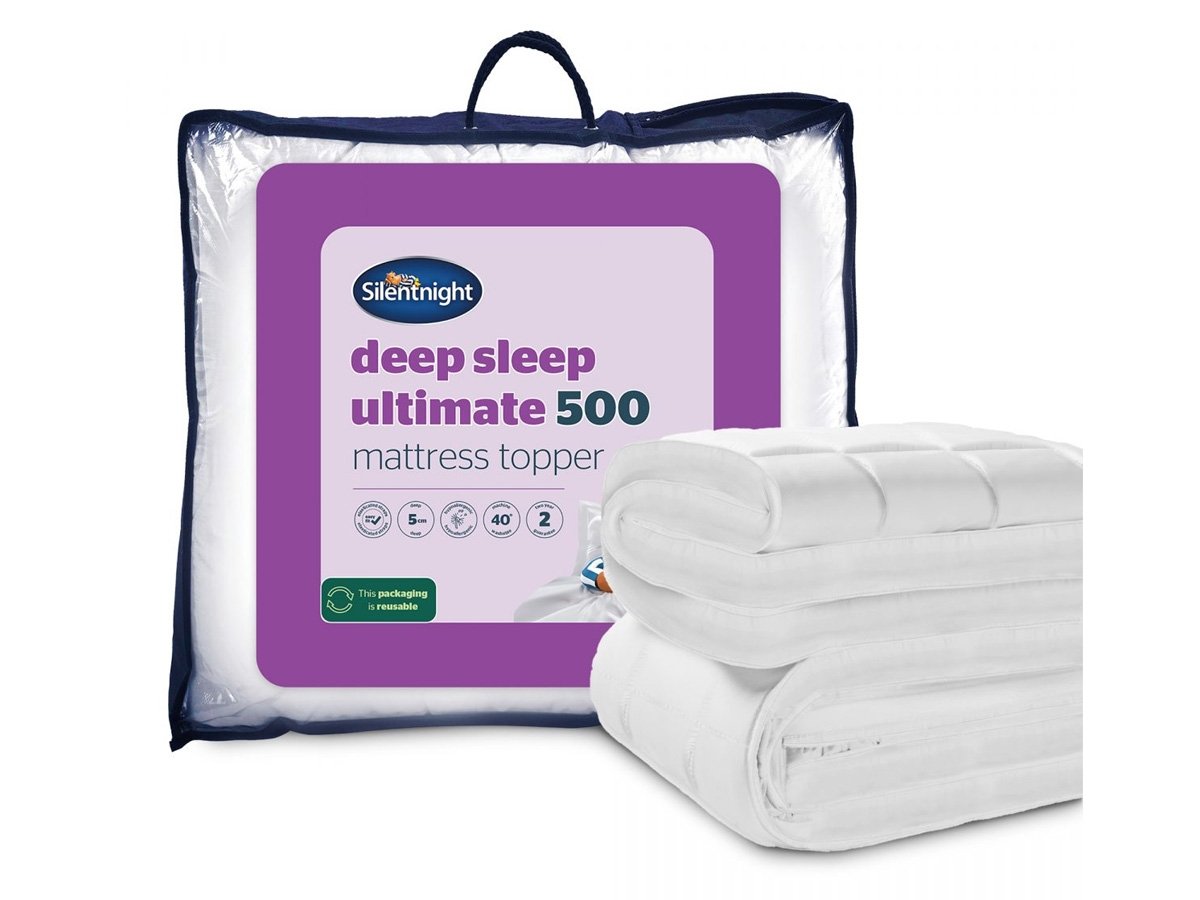

Pictured: Silentnight Deep Sleep Ultimate 500 Mattress Topper
While waterproof options made from polyethylene are available, be aware that these can produce a rustling sound similar to plastic bags and may feel somewhat abrasive against the skin
For more expert advice on creating your perfect sleep sanctuary, we recommend reading our comprehensive guide on mattress care and maintenance. This companion piece offers valuable insights into prolonging the life of your mattress while maintaining optimal sleep comfort.
If you enjoyed this article, read our piece on how to care for your mattress.