



Table of Contents
Bedroom design ideas
Your bedroom should make your shoulders drop the moment you step inside. After all, it's your personal retreat from the chaos of daily life. 2026 brings a refreshing focus on spaces that actually feel good, not just ones that look picture-perfect.
We're seeing bedroom styles shift towards richer, deeper tones this year. Think beyond the popular browns and caramels of recent seasons – deeper reds, soft pinks and sophisticated aubergine hues are taking centre stage. Blue bedrooms deserve special mention too, especially when you consider studies showing they promote the longest average sleep compared to other colours.
The latest bedroom trends reflect this wellness-first approach perfectly. Dulux's 2026 collection offers beautifully calming options like Free Groove™, Mellow Flow™ and Slow Swing™ – names that practically whisper relaxation, don't they?
What makes modern bedroom design so exciting right now? It's the perfect marriage of style and substance. Oversized headboards continue their reign as "the undisputed star of the bedroom", while canopy beds make their comeback in softer, more approachable forms.

Your bedroom design should feel "comforting and comfortable but still expressive and somewhere that reflects how you live". That's the philosophy behind every single idea we'll share with you in this article. Ready to create a bedroom that truly works for you?
The shift towards emotional bedroom design
Bedroom design has completely changed its focus heading into 2026. We're moving away from spaces that simply look good to creating rooms that actually make you feel better. Interior experts are noticing this meaningful shift towards spaces that support how you feel rather than just impress visitors.
Why 2026 bedroom design is more than just stylish
"Over the past year, there's been a real shift towards creating bedrooms that feel calming, emotionally supportive, and much more connected to the function of the space," explains Tash Bradley, Director of Interior Design at Lick. Your bedroom environment directly influences sleep quality and mental wellbeing - something we're finally taking seriously.
Here's what's fascinating: your bedroom palette does far more than create a pretty space. It actually changes how your body and mind respond to your environment. Blue bedrooms can reduce your heart rate and blood pressure, naturally preparing your body for rest.
The latest bedroom trends prioritise personalisation over universal appeal. "Looking ahead to 2026, colours will be less about what looks timeless and more about what feels timeless," industry experts observe. This represents a fundamental shift from designing for resale value to creating spaces that authentically reflect your personality and support your emotional needs.
Modern bedroom design now considers sensory elements beyond just visual appeal:
- Tactile considerations with soft textiles and varied textures
- Acoustic properties through sound-absorbing materials
- Aromatherapeutic elements for relaxation
- Lighting designed to support natural sleep cycles
"In 2026, the sensory experience of your space matters more than ever," says Jodie Hatton, Design Manager at Brintons. This multi-sensory approach represents a sophisticated evolution in bedroom interior design philosophy.
The rise of cocooning and nurturing spaces
The most significant development in bedroom design for 2026?
The concept of "cocooning" - creating spaces that feel like protective retreats from the outside world. "When peace and quiet can be in short supply, where better to retreat to than the comfort of your own bedroom? It's a space where you can be yourself, and enjoy time to reflect and rest," according to IKEA bedroom design experts.
This concept extends beyond mere comfort into actively nurturing spaces. Bedrooms are increasingly designed as personal wellness retreats where every element serves your emotional and physical restoration. "The cocooning bedroom is the ideal place to create a corner of peace and tranquillity away from the stress of everyday life," design experts note.
Bedroom design in 2026 represents a return to the fundamental purpose of the space - rest and rejuvenation. "2026 is set to be the year we turn our bedrooms into cocooning and nurturing spaces that encourage us to relax and rest". The focus has shifted from impressing guests to supporting your wellbeing through thoughtful, intentional bedroom design choices that acknowledge the profound connection between your environment and how you feel within it.
Colours that define the mood in 2026
The colours you choose for your bedroom can make all the difference to how you feel each morning and how well you sleep each night. This year's trending bedroom colours strike a beautiful balance between grounding earthiness and gentle expression – perfect for creating that personal sanctuary you're after.
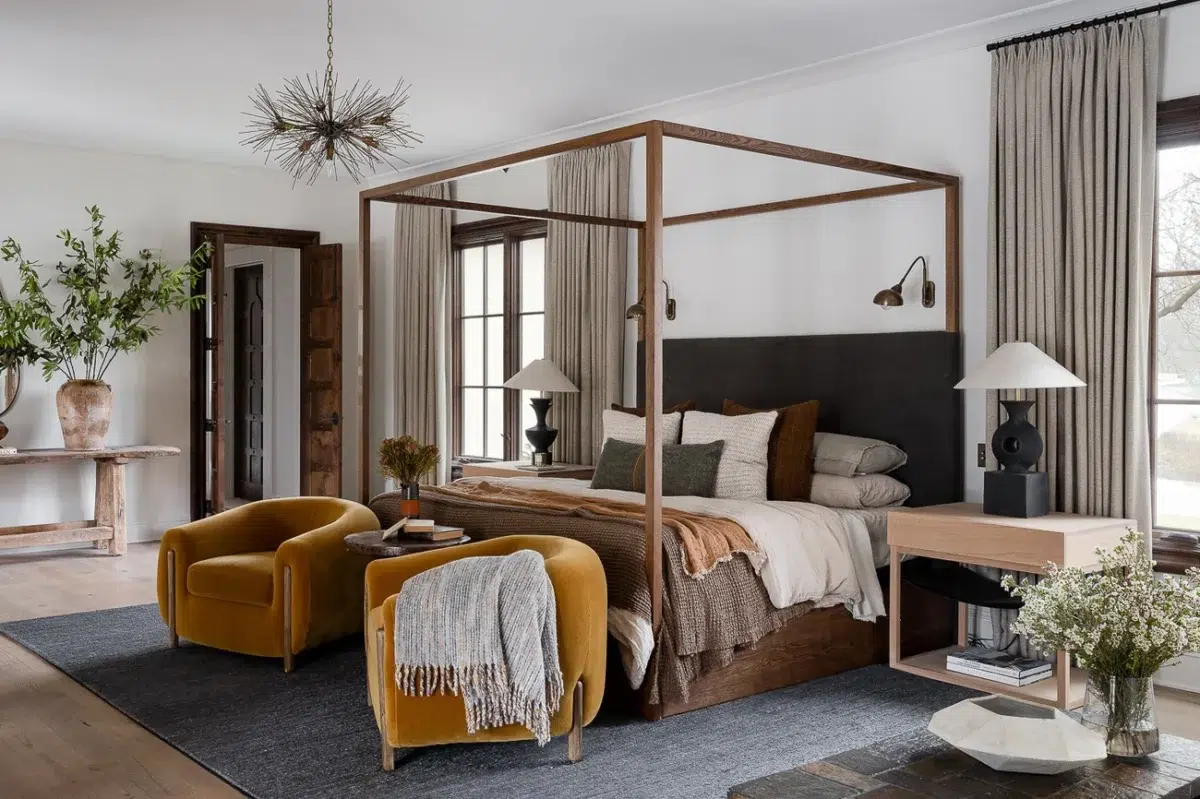
Earthy neutrals and warm taupes

Neutral tones have come a long way from boring beige, haven't they? Today's sophisticated neutrals create instant comfort whilst bringing complexity to your space. "Taupe is a fantastic canvas" that adds warmth without overwhelming your bedroom. These refined shades connect with "neutrality, balance, warmth, comfort, elegance, sophistication, simplicity, calm, luxury, minimalism, and modernism".
Warm taupe works beautifully for cosy bedroom retreats – look for versions with subtle red, pink, or yellow undertones. Cool taupe variants incorporate gentle grey or purple elements, making them ideal for bright, minimalist spaces. For ultimate versatility, consider "greige" (grey + beige), which "strikes a balance between warm and cool colours" and pairs effortlessly with various accent tones.
"Neutral colour schemes are all about making us feel relaxed, so what better place to use them than where you rest your head," note colour experts. Remember, the less colour you add, the more texture becomes essential – style your earthy neutrals with natural woods and ceramics to bring your scheme to life.
Dusky blues and sage greens
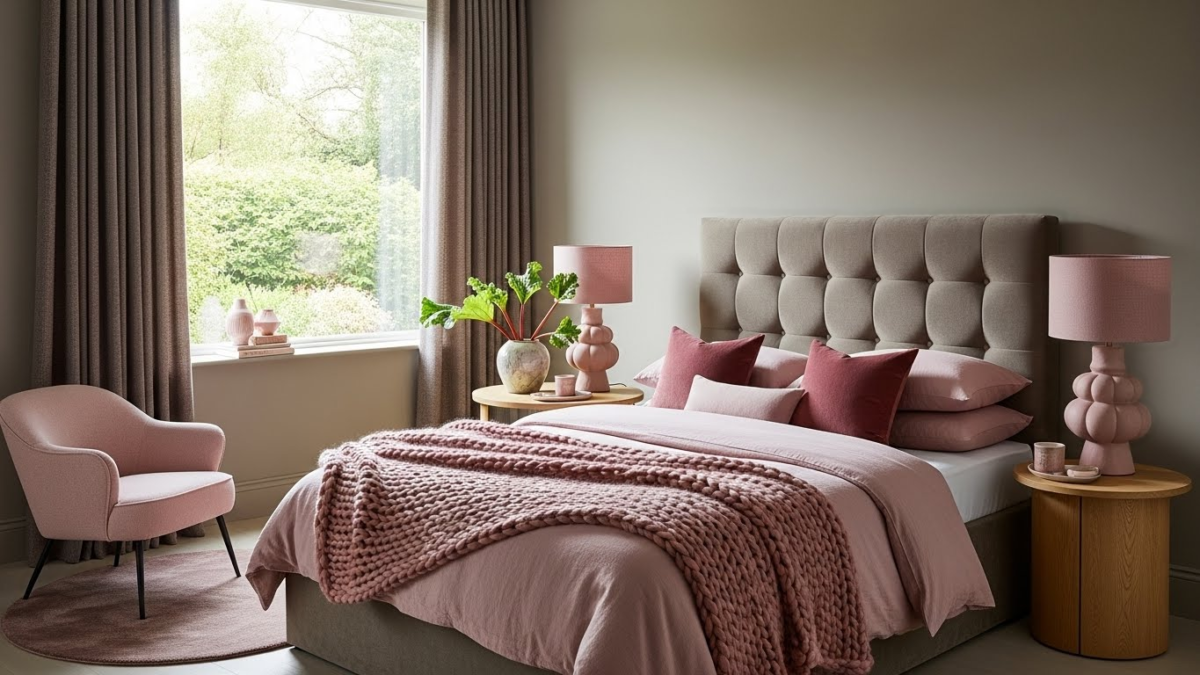
Softer, muted blues are taking centre stage over crisp coastal shades this year. "Denim, powder and inky blues all work beautifully" in contemporary bedrooms, especially when you balance them with warm metals and creamy whites to avoid that chilly feeling.

Sage green continues to be a bedroom favourite, and for good reason. "Sage green is one of those colours that just feels effortlessly calm and timeless", celebrated for its stress-reducing and healing properties. This subtle green creates an instant connection to nature that feels inherently restful.
Here's something exciting – dusky blue paired with sage green represents "the coolest new pairing to bring tranquillity to your room". Why does this combination work so well? "Sage green brings an earthy warmth that grounds a space, while light blue adds an airy, expansive feel, evoking wide-open skies and calm waters".
Terracotta and clay tones
Terracotta hues are making waves in 2026 bedroom designs, bringing "warmth, charm, and a touch of Mediterranean flair" to sleeping spaces. These earth-inspired tones instantly change a room's atmosphere, creating spaces that feel sun-kissed throughout the year.
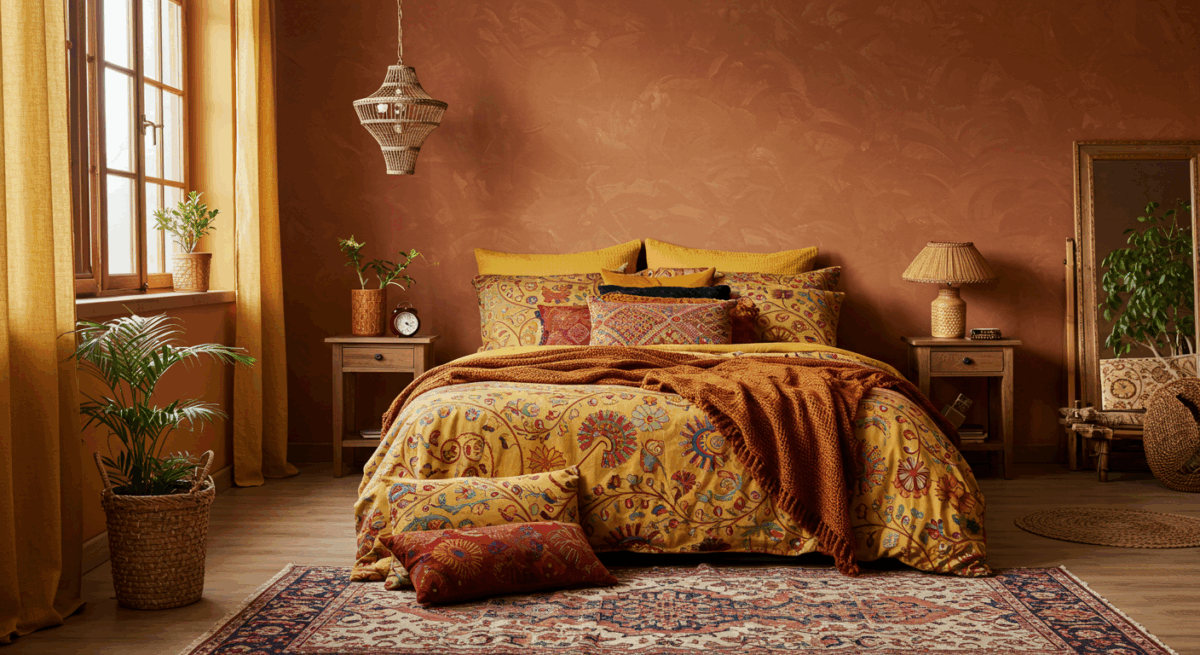
The distinctive rustic red hue "offers the benefit of infusing warmth into a space intended for rest and relaxation". What makes terracotta so versatile? It blends seamlessly with other colours whilst maintaining overall harmony in your bedroom design.
You don't need to paint entire walls terracotta to enjoy its benefits. Consider incorporating these rich tones through "furniture, bed linen, curtains, cushions, ceramics, and even a distinctive headboard that stands out in the room". For the perfect colour balance, pair terracotta with "white, green, beige and grey" to create inviting, harmonious spaces.
Grown-up primary colours
Primary colours – red, yellow, and blue – are experiencing a sophisticated revival in bedroom design. These aren't the bright kindergarten colours you might remember, but rather mature, nuanced interpretations that add character without overwhelming your space.
From a colour psychology perspective, "the three primary colours – red, yellow, and blue – relate to the body, mind, and our emotions, respectively". Primary red attracts physical attention, blue provides mental stimulation, and yellow serves as a potent emotional energiser.
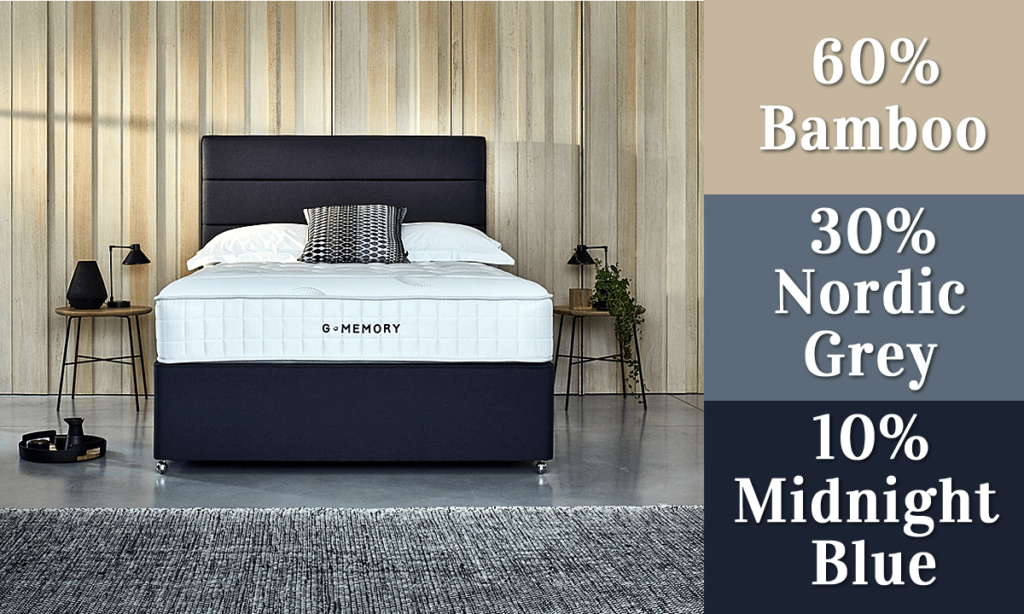
The secret to successfully using these bold hues lies in balanced application. Experts recommend following the "60-30-10 rule; 60% of the room should be comprised of a dominant colour, 30% should be the sub-dominant colour, and the last 10% should be an accent". Since primary colours pack such visual punch, they work best as accents or statement pieces that create conversation-starting focal points.
For 2026, expect to see "warmer, playful shades... like butter yellows, dusty pinks, soft greens – and reimagined, grown-up primaries paired with cosy neutrals" in the most stylish bedrooms.
Touch is everything when you're creating your dream bedroom
What makes a bedroom feel truly luxurious? It's not just what you see – it's what you feel. 2026 brings texture to the forefront, where every surface invites you to reach out and touch.
Bouclé, linen, and velvet
Bouclé is having its moment, and honestly, it's about time. This looped yarn fabric, whose name comes from the French word meaning "to curl", feels as gorgeous as it looks. Its matte finish catches light beautifully, adding instant warmth to any colour scheme.
"Bouclé has carved out a lasting place in British home styling, appreciated for its cosy feel and elegant charm," note bedroom design experts. The best part? It's incredibly versatile, working perfectly in both contemporary and Scandinavian-inspired schemes. Plus, those tightly woven loops resist pilling and handle daily use beautifully.
Want to create some serious luxury? Try these textural combinations:
- Pair bouclé upholstery with crisp cotton bedding
- Add velvet cushions against linen backgrounds
- Introduce brushed brass lighting alongside natural wood

Layer your way to luxury
Think of your bedding as the ultimate comfort sandwich. "We love playing around with different textures. Not only do they look lovely, but they're also such a sensory treat to touch," confirm textile specialists. Mix a fluffy throw with smooth linen sheets, or pair textured waffle blankets with soft cotton.
Your floors deserve attention too. "In 2026, we're expecting plush, sink-in softness to take centre stage in the bedroom," says Claudia from Ruggable. "Thicker, fluffier textures—across rugs and soft furnishings—will define that calming, cocooning feel consumers are craving". Look for ultra-soft options that are also practical – machine-washable rugs with built-in nonslip backing are game-changers.
Beyond the basics: lighting and curtains with personality
Your lighting can add texture even when it's switched off. "For the year ahead, bedroom lighting and soft furnishings are leaning into tactile finishes, richer bedroom-friendly palettes, and quiet graphic motifs," confirms Jo Plant, Chief Creative Officer at Pooky.
Don't overlook your windows either. "Curtains are no longer confined to the role of window dressing – they've become a versatile bedroom design statement," explains designer Rebecca Hughes. Heavy linens and velvets don't just look stunning – they improve acoustics and can even work as room dividers.
This approach to texture is what designers call "sense-scaping" – deliberately layering different materials to create spaces that feel as good as they look. As designer Portia Fox notes, "Bedrooms in 2026 are increasingly designed as restorative, sanctuary-like spaces, with wellbeing taking precedence over visual impact".
Furniture and layout ideas for modern bedroom design
The right furniture pieces can make or break your bedroom sanctuary. How you arrange them matters just as much as what you choose. Contemporary bedroom layouts blend personal expression with practical comfort, creating spaces that nurture both body and mind.
Statement headboards and canopy beds
Headboards have become the "pièce de résistance" of bedroom design, creating a tactile and stylish centrepiece that anchors your décor. Upholstered options work beautifully – think plush velvet or bouclé fabrics that offer sumptuous places to rest whilst adding textural elegance. Want something dramatic? Curved or oversized headboards draw the eye upward and create instant wow factor.
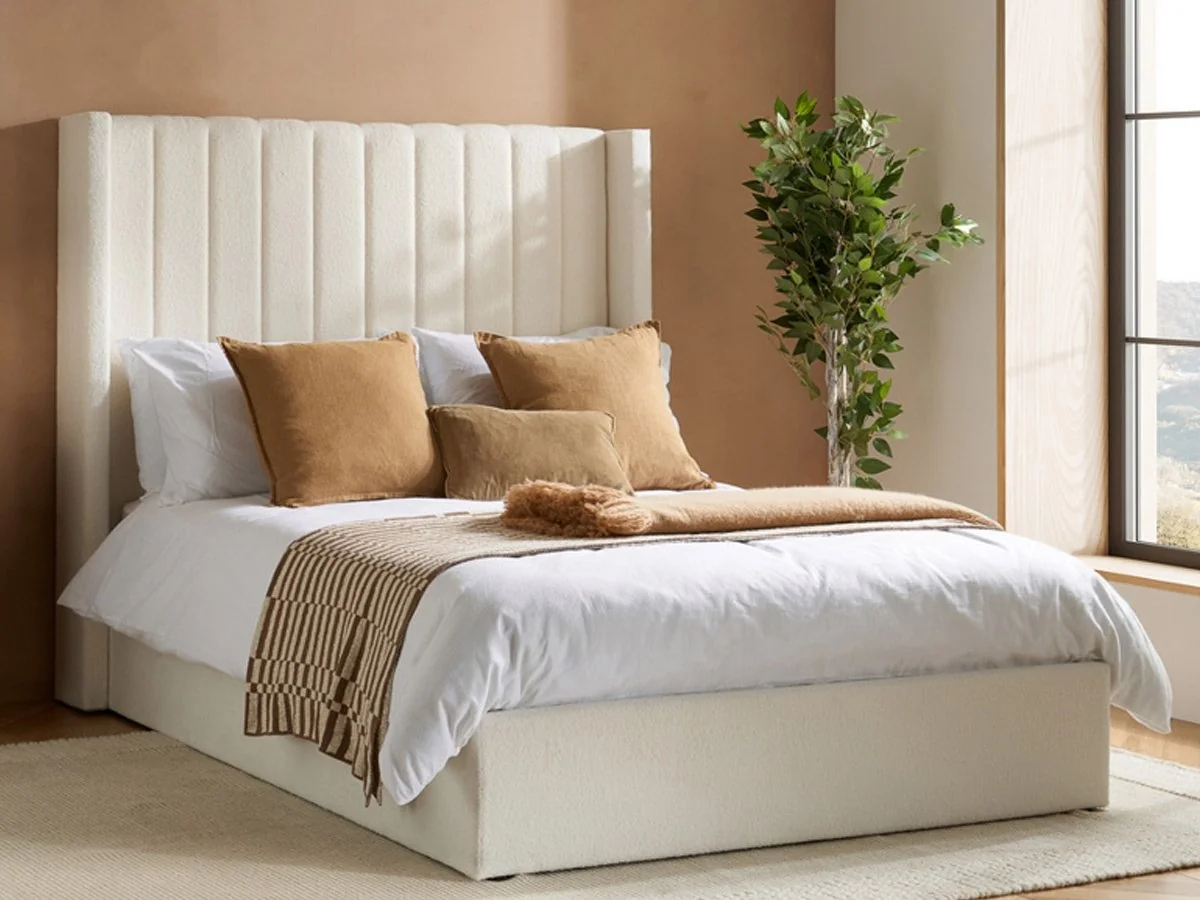
Canopy beds are making their sophisticated comeback too, but with a modern twist. "Modern canopy beds are about suggestion rather than excess—clean, architectural lines that trace the elegant outline of a traditional canopy without the drapery or ornament," notes Christine Carney, design director at Blackberry Farm Design. These sculptural pieces create romance without overwhelming your space.
Reading nooks and bed alcoves
Don't overlook those forgotten corners – they're perfect for creating cosy havens with comfortable seating and clever lighting. "Reading nooks are a small section of a room designed to help you take a break from your day and relax, typically featuring a comfortable seat for reading," explain bedroom design experts.
Transform window seats, unused alcoves, or even spaces beneath sloped ceilings into charming retreats. Alternatively, position the bed itself within an alcove for that cocoon-like feel. "If your alcove is big enough, you may be able to add a bed to make it the statement feature of your bedroom". This arrangement feels instantly snug and creates additional floor space.
Built-in wardrobes with character
Built-in storage solutions work harder than standalone pieces, maximising space whilst adding architectural interest. "Fitted wardrobes are renowned for their ability to offer maximum storage capacity. They are constructed to fill the available space seamlessly, reaching from wall to wall and floor to ceiling".
These practical elements gain real personality through thoughtful details in 2026. "Our traditional wardrobes bring classic character to any room. The style is defined by its considered details, such as elegant panelling and subtle chamfered edges". Natural wood-grain finishes bring warmth, whilst heritage muted tones add sophistication. Integrated lighting, custom shelving, and specialised compartments elevate these essential bedroom features from purely functional to genuinely beautiful.
Lighting and tech that support better sleep
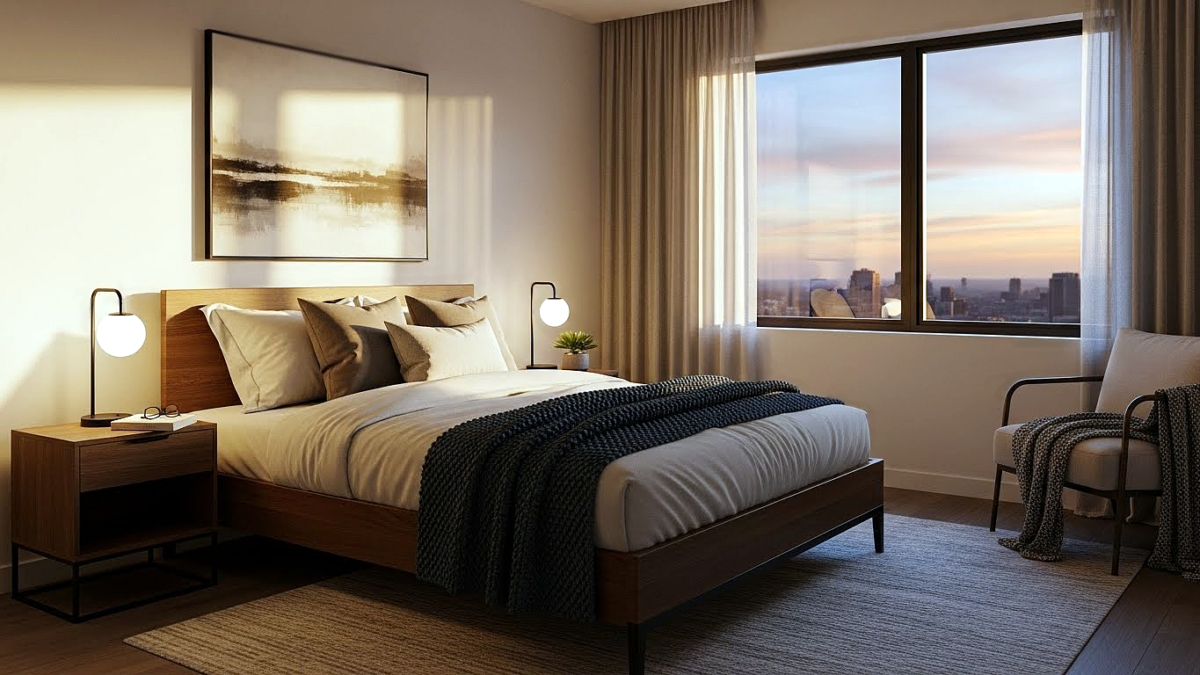
Good lighting can make the difference between tossing and turning all night and drifting off peacefully. The right tech choices support your body's natural rhythms instead of fighting against them.
Rechargeable and layered lighting
Forget wrestling with extension leads or being stuck with fixed lighting positions. Rechargeable lamps have become absolute game-changers, letting you place light exactly where you need it without the hassle of cumbersome wires or permanent installations. Move them from bedside to reading nook as your evening routine unfolds.
"Rechargeable wall lights are brilliant for creating a clutter-free bedside," explains Jo Plant, chief creative officer at lighting brand Pooky. These clever fixtures free up precious table space whilst delivering targeted illumination that works beautifully for both function and atmosphere.
Here's something fascinating about bedroom lighting - your body's melatonin production responds directly to the light around you. Warm-toned lighting in yellows and oranges actually encourages natural melatonin release, whilst blue-toned light does the opposite, potentially disrupting your sleep cycle.
For the best rest possible, consider:
- Dimmable fixtures that shift from energising morning brightness to gentle evening glow
- Colour temperature around 2700K for that perfect warm hue
- Rechargeable table lamps for flexible, cord-free illumination
Smart window treatments
Electric blinds represent a genuinely useful sleep technology. These battery-powered systems give you complete control over natural light without getting out of bed. Even better? Smart blinds can be programmed to open gradually each morning, mimicking natural sunrise and helping reset your circadian rhythm.
Voice assistant integration means hands-free operation - simply ask your digital assistant to adjust your blinds whilst you stay comfortably tucked up. This seamless automation creates your ideal sleep environment regardless of what's happening outside.
Soundscapes and ambient control
The right sounds can work wonders for sleep quality. White noise machines effectively mask those disruptive environmental sounds, creating a consistent audio backdrop that promotes deeper, more stable sleep cycles.
The Dreamegg offers 24 built-in sounds - everything from gentle rainfall to ocean waves - with timers that automatically fade after 30-90 minutes. Your virtual assistant can also play guided sleep meditations or restful music as part of your bedtime routine.
Studies confirm these benefits are real - consistent, soothing sounds genuinely improve sleep efficiency and help you fall asleep faster. Sound becomes a rhythmic cue that helps your brain release the day's anxieties and surrender to rest.
Your bedroom in 2026 should be so much more than just somewhere you sleep. It's your personal retreat, your sanctuary, the space that makes your shoulders drop after a long day. We've explored everything from those gorgeous earthy neutrals and dusky blues to the luxurious textures that make you want to sink right in.
The beauty of these bedroom design trends? They're all about creating spaces that actually support how you feel. Whether you're drawn to the calming properties of sage green or you fancy making a statement with a dramatic headboard, the key is choosing what genuinely resonates with you.
Don't feel overwhelmed by all these options – start small. Perhaps begin with layering some beautiful textiles or introducing one of those rechargeable lamps that'll give you the perfect bedtime lighting. Remember, you don't have to tackle everything at once.
Takeaway Tip: Focus on one element at a time. Maybe start with colour, then add texture, then consider your lighting. Your bedroom transformation doesn't need to happen overnight.
The most exciting thing about bedroom design right now? It's finally about you and your wellbeing, not about impressing anyone else. Choose colours that make you feel calm, textures that invite you to relax, and lighting that helps you drift off peacefully.
Your bedroom should feel like a warm hug at the end of each day. So whether you're planning a complete makeover or just adding a few thoughtful touches, make sure every choice supports the kind of rest and relaxation you truly deserve. After all, better sleep leads to better days – and isn't that what we're all after?
Key Takeaways
Bedroom design in 2026 prioritises emotional wellbeing over mere aesthetics, creating spaces that actively support rest and mental health through thoughtful colour, texture, and technology choices.
• Embrace cocooning colours: Earthy neutrals, dusky blues, sage greens, and terracotta tones create emotionally supportive environments that promote better sleep quality.
• Layer tactile textures: Combine bouclé, linen, and velvet with plush rugs and layered bedding to create multi-sensory comfort that feels like a warm embrace.
• Invest in statement furniture: Oversized headboards and modern canopy beds serve as artistic focal points whilst reading nooks maximise comfort and functionality.
• Prioritise sleep-supporting technology: Rechargeable warm-toned lighting, smart window treatments, and ambient soundscapes work with your natural circadian rhythms.
• Bedroom Design for wellbeing, not trends: Create personalised sanctuaries that reflect your authentic style whilst supporting physical rest and emotional restoration.
The most successful 2026 bedrooms balance visual beauty with genuine comfort, transforming your sleeping space into a restorative retreat that helps you unwind completely at day's end.
FAQs
Q1. What are the key colour trends for bedroom design in 2026? The key colour trends for 2026 bedrooms include earthy neutrals, warm taupes, dusky blues, sage greens, terracotta tones, and sophisticated interpretations of primary colours. These hues are chosen to create calming, emotionally supportive environments that promote better sleep and wellbeing.
Q2. How can I incorporate textures to enhance comfort in my bedroom? To enhance comfort through textures, consider using bouclé fabric for upholstery, layering different materials like linen and velvet for bedding, and adding plush rugs. Combining contrasting textures creates a multi-sensory experience that elevates the overall comfort of your bedroom.
Q3. What are some popular furniture trends for modern bedroom design? Popular furniture trends include statement headboards, modern canopy beds with clean lines, built-in wardrobes with character, and the creation of cosy reading nooks. These elements combine functionality with style to create personalised, comfortable spaces.
Q4. How can lighting improve sleep quality in the bedroom? Lighting can improve sleep quality through the use of rechargeable, warm-toned lamps that support natural melatonin production. Dimmable fixtures and smart lighting systems allow you to adjust brightness and colour temperature throughout the day, helping to regulate your sleep-wake cycle.
Q5. What role does technology play in 2026 bedroom design? Technology plays a crucial role in 2026 bedroom design, focusing on supporting better sleep. This includes smart window treatments that can be programmed to mimic natural light patterns, soundscape devices that create soothing ambient noise, and integrated systems that allow for effortless control of your bedroom environment.