




Natural Energy Boosters: Foods That Fight Fatigue
Feeling sluggish? The right foods can make a world of difference in your energy levels. Here are some powerful natural energy boosters to incorporate into your diet:
Complex Carbohydrates
Oatmeal and quinoa provide steady, long-lasting energy by releasing glucose slowly into your bloodstream. They're also rich in B vitamins, which help convert food into energy.
Lean Proteins
Eggs, turkey, and fish contain high-quality protein and amino acids that help maintain steady energy levels. Fish like salmon and tuna also provide omega-3 fatty acids that fight inflammation and fatigue.
Energy-Rich Fruits
Bananas are nature's energy bars, packed with complex carbs, potassium, and vitamin B6. Apples contain natural sugars and fiber that provide sustained energy without crashes.
Dark Leafy Greens
Spinach, kale, and other greens are rich in iron, which helps carry oxygen throughout your body. Iron deficiency can lead to fatigue, so these vegetables are essential energy boosters.
Nuts and Seeds
Almonds, walnuts, and pumpkin seeds contain healthy fats, protein, and magnesium – vital for energy production at the cellular level. They make perfect afternoon snacks.
Dark Chocolate
High-quality dark chocolate (70% cocoa or higher) contains a small amount of caffeine and theobromine, which can provide a gentle energy boost. It's also rich in antioxidants that support overall health.
Hydrating Foods
Watermelon, cucumber, and citrus fruits help maintain hydration, which is crucial for energy levels. Even mild dehydration can lead to fatigue.
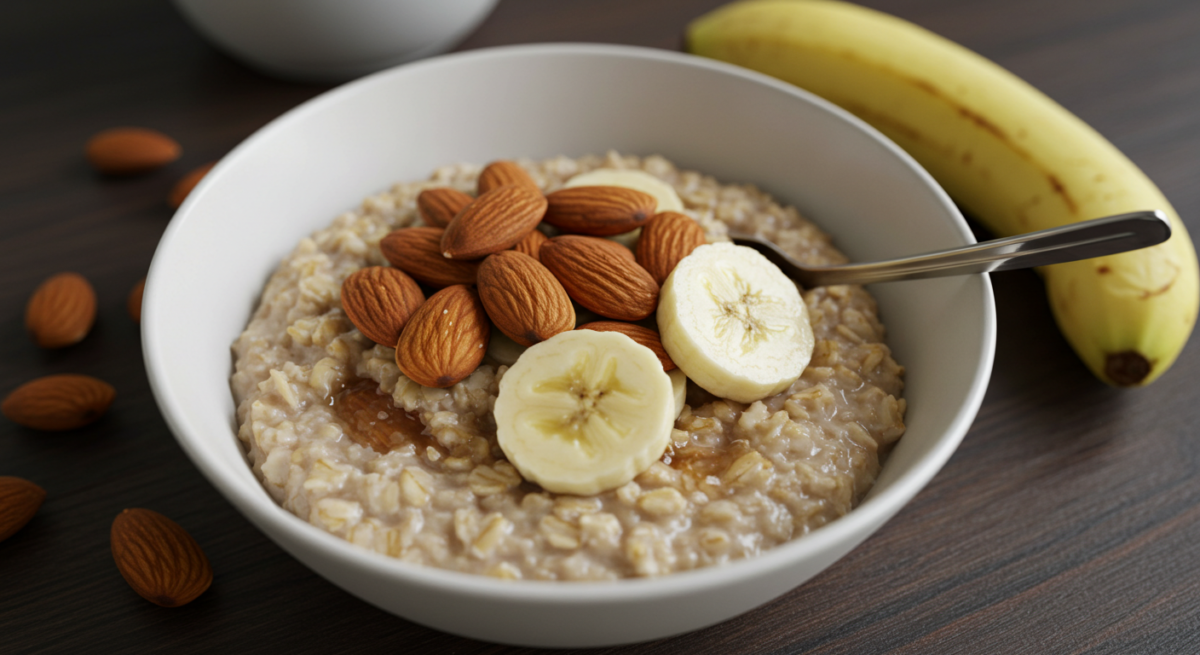
Pro tip: Combine these foods for maximum benefit. Try a breakfast bowl of oatmeal topped with almonds and banana, or a lunch salad with spinach, quinoa, and salmon.
Strategic Meal Timing for All-Day Energy

Breakfast (Within 1 Hour of Waking) Start your day with a combination of complex carbs and protein to kick-start your metabolism. The ideal time is within an hour of waking up, when your body is primed to use nutrients efficiently. Try oatmeal with almonds, banana, and a hard-boiled egg.
Mid-Morning Snack (10-11 AM) Beat the mid-morning slump with a small, nutrient-dense snack. This helps maintain steady blood sugar levels before lunch. A handful of nuts with an apple or a small Greek yogurt with berries works perfectly.
Lunch (12-1 PM) Make lunch substantial but not heavy. Include lean protein, complex carbs, and vegetables. A quinoa bowl with grilled chicken, spinach, and roasted vegetables provides sustained energy for the afternoon. Avoid heavy, fatty meals that can cause energy crashes.
Afternoon Snack (3-4 PM) This is crucial for preventing the notorious afternoon slump. Choose something light but energizing, like dark chocolate with almonds or hummus with cucumber slices.
Dinner (6-7 PM) Eat dinner at least 2-3 hours before bedtime to ensure quality sleep, which is essential for next-day energy. Include lean proteins and vegetables, but consider reducing carbohydrates compared to earlier meals.
Hydration Schedule
- Drink 450ml of water upon waking
- Consume 56ml every 2-3 hours throughout the day
- Reduce water intake 2 hours before bed to prevent sleep disruption
Key Timing Tips:
- Never skip breakfast – it sets your energy pattern for the day
- Space meals 3-4 hours apart
- Don't eat large meals within 3 hours of bedtime
- Keep snacks small but nutrient-dense
- Have protein with each meal to stabilise blood sugar
- Front-load your calories – eat larger meals earlier in the day
Getting adequate sleep is absolutely crucial for preventing tiredness
- Restores Energy: Sleep is when your body and brain recharge. When you don't get enough sleep, your energy stores are depleted, leading to fatigue and difficulty concentrating throughout the day.
- Improves Cognitive Function: Sleep is essential for cognitive function, including memory, attention, and decision-making. Lack of sleep impairs these abilities, making it harder to focus and perform at your best.
- Regulates Mood: Sleep plays a significant role in mood regulation. Insufficient sleep can increase irritability, anxiety, and even depression.
- Boosts Immune System: Sleep is crucial for a healthy immune system. When you're sleep-deprived, your body's ability to fight off infections is weakened.

Tips for Improving Sleep:
- Consistent Sleep Schedule: Go to bed and wake up around the same time each day, even on weekends.
- Create a Relaxing Bedtime Routine: Wind down an hour or two before bed with a warm bath, reading, or listening to calming music.
- Optimise Your Sleep Environment: Make sure your bedroom is dark, quiet, and cool.
- Avoid Screen Time Before Bed: The blue light emitted from electronic devices can interfere with sleep.
- Limit Caffeine and Alcohol: Avoid these substances, especially in the evening.
- Regular Exercise: Physical activity can improve sleep quality, but avoid intense workouts close to bedtime.