



Table of Contents
Ready to Paint? Small Bedroom Colour Ideas to Get You Started
Many people struggle with tiny bedrooms. Living in compact city apartments or snug suburban spaces makes it challenging to create the illusion of a larger room.
The right paint colours can reshape the scene of your small bedroom. Smart paint choices create remarkable illusions. Dulux Light + Space Matt paint reflects twice as much light throughout a room, while dark shades add surprising depth without limiting your style.
Small spaces no longer need to be painted white. Today's bedroom colour trends accept new ideas from cozy dark tones to light neutrals. These choices can turn your compact room into a spacious sanctuary. Here are 10 clever paint ideas that will make your small bedroom feel larger than its actual size.
Light-Reflecting White: The Classic Space Enhancer

White paint is the ultimate optical illusionist in small bedrooms. Its light-reflecting qualities make even the tiniest spaces feel bigger right away. The paint bounces back every bit of natural and artificial light, which makes your walls seem to push outward - something darker shades just can't do.
How White Creates Visual Expansion
The science behind white's space-expanding magic is simple - it reflects light instead of soaking it up. This reflection makes any room feel more open and airy. Light bounces off white surfaces and travels around the room instead of getting absorbed, so the space feels more open. On top of that, it helps to paint all surfaces (including the ceiling) the same white shade. This removes visual boundaries and makes the room feel even bigger.
Designers love using white paint on walls and ceiling to create what they call "the fifth wall approach." This technique blurs the lines between surfaces and tricks your eyes into seeing more space than what's actually there.
Best White Shades for Different Light Conditions
Each white paint works differently depending on the lighting situation:
- North-facing rooms: Yellow-based whites like Dulux Jasmine White or Almond White work best to balance cooler light. Stay away from whites with green or grey undertones - they'll make the room look darker.
- South-facing rooms: You can use either warm or cool whites here. Dulux Rock Salt is perfect because it balances out the warm light that floods south-facing spaces.
- East-facing rooms: The morning light has a bluish tint, so whites with green or blue undertones go together with the natural light.
- West-facing rooms: Balanced whites like Farrow & Ball's Wimborne White or Slipper Satin complement afternoon light beautifully.
Take time to look at paint samples throughout the day. White can look completely different under natural and artificial light.
Pairing White with Accent Colours
White's versatility makes it perfect for colour combinations in small bedrooms. Pure white looks balanced with warm colours like brown, taupe, beige, or dark grey that soften its brightness. Cool tones like navy and sky blue create fresh contrasts.
Warm whites that have yellow, cream, or beige undertones work well with tan, taupe, sandy beige, or even bold emerald green for extra character. Cool whites with blue, grey, or green undertones look great with charcoal grey, slate, or steel blue.
Modern White Bedroom Styling Tips
You can reshape the scene of your white small bedroom with these modern ideas:
Add different textures to avoid flat-looking all-white spaces. Wood elements, brass accents, or marble details create dimension without losing white's space-expanding benefits.
Natural materials like rattan and linen create depth in your white bedroom. Layer White 03 with warm lighting and mid-tone natural materials for a sophisticated look.

A quick way to refresh your bedroom is to mix crisp whites with carefully chosen colour pops through lamps, throw pillows, and decorative pieces. This keeps white's space-expanding benefits while adding personality.
Your ceiling deserves attention too - white treatment makes your room feel taller. Farrow & Ball's Wimborne White has subtle yellow undertones that give ceilings a warmer glow than stark brilliant whites.
Soft Blues: Creating Depth and Airiness
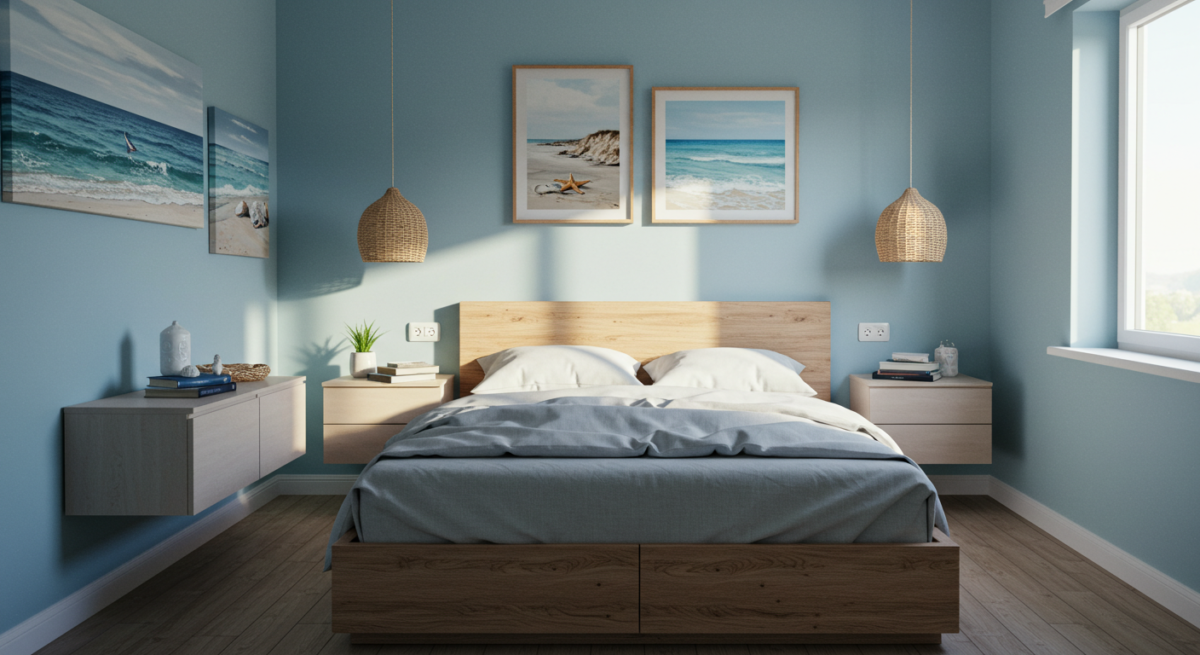
Blue paint can work magic to make small bedrooms feel bigger. This adaptable colour is perfect to create the illusion of more space while keeping a stylish, modern look. People call it a "receding" colour because it makes walls appear to move back, which helps turn tight spaces into peaceful retreats.
The Psychology of Blue in Small Spaces
Blue's effect on our minds makes it perfect for small bedrooms. Research shows it lowers blood pressure, slows heart rate and helps reduce anxiety. These calming properties create a peaceful sanctuary—exactly what you need in your bedroom.
On top of that, it naturally reminds us of water and sky, which makes us feel more open and free. This connection helps small bedrooms feel less boxed in and more spacious. Blue ranks among the most prominent colours, and many people call it their favorite.
The right blue creates what designers call a "receding effect"—making walls look farther away than they are. This visual trick is perfect for compact spaces where every design choice counts.
Pale vs. Medium Blue: Which Works Better?
Small bedrooms can benefit from light and medium blues in different ways:
Light Blues:
- Bounce light around like white does, making rooms feel bigger and airier
- Look fresh and clean next to white linens
- Shine in small bedrooms that don't get much natural light
Medium Blues:
- Add character while keeping spaces open
- Set a timeless backdrop for classic furniture
- Look amazing in rooms with plenty of natural light
Light shades like Dulux's "Glacier Y435" (a powder blue with yellow tones) or "Cumulus Y354" reflect light well, making spaces feel bigger. Rooms with good natural light can handle deeper shades like "Waterloo" or "Slate Tile" that add depth without feeling heavy.
Blue Ceiling Techniques for Height Illusion
Your ceiling—the "fifth wall"—is a chance to use colour cleverly in small bedrooms. Benjamin Moore's colour expert Molly Lynch says, "Blues recede, which can give the illusion of opening up a space".
A light blue shade like "Smoke 2122-40" on your ceiling makes it appear higher, especially in darker rooms. This trick mimics the open sky and suggests endless height above.
The best results come from matching a pale blue ceiling with complementary wall colours. This draws your eyes up and makes the most of vertical space—perfect when you have limited floor area but standard ceiling height.
Coastal-Inspired Blue Schemes for Small Bedrooms
Coastal blue schemes look great in small bedrooms because they remind us of endless beach horizons. These colour combinations usually include:
- Soft sky or powder blues that look like open skies
- Navy accents that add style without heaviness
- Natural textures like rattan, driftwood, and woven pieces
Your coastal-inspired small bedroom might pair light blues with bright whites for that classic beach house feel. This mix looks fantastic with flowing white linens and natural wood elements that create an open, airy vibe.
Built-in storage solutions work beautifully against blue walls in small spaces with coastal themes. Space-saving ideas like built-in shelves instead of nightstands and wall lights rather than table lamps help maximize floor space while keeping that breezy coastal look.
Note that smaller rooms need balance—too much blue can be overwhelming. Create interest by mixing in complementary neutrals with your chosen blue shades.
Gentle Greens: Bringing Nature and Space Together
Green paint brings nature's restorative power indoors and creates an illusion of more space in small bedrooms. Green connects us most with the natural world. This colour is a chance to combine tranquility with visual spaciousness, making it perfect for compact sleeping quarters.
Space-Enhancing Green Tones
Not all greens work well in small spaces. Light-to-medium green tones with specific undertones make spaces look bigger:
- Soft olive green works with any interior and creates a natural atmosphere. This shade makes small bedrooms look bigger
- Mint green adds a fresh brightness that helps create light and airy spaces
- Sage green makes rooms look bigger and brighter. This shade works great to make your space feel more open
- Pale tea-green pairs beautifully with wooden furniture to create rustic modern spaces that feel open
The undertones matter most when picking green paint. Green usually comes across as a cool colour, but some shades have yellow, brown, or even red undertones. These subtle differences change how the colour works with your space and affects the room's apparent size.
Biophilic Design with Green in Small Bedrooms

Biophilic design combines natural elements with living spaces and works great with green in small bedrooms. This approach connects you with nature and makes rooms feel more spacious.
Green shades help you sleep better by creating a relaxing environment. The colour naturally reduces stress and anxiety. You'll feel like you're in a peaceful sanctuary, even in the smallest bedroom.
These tips help maximize the biophilic effect:
- Big windows or skylights link green walls with outdoor views
- Plants next to green walls boost the nature-connected feeling
- Natural materials like wood, linen, and rattan complement green paint
- Lime paint gives you a mold-resistant, breathable surface with organic texture
Green Colour Combinations That Expand Space
Green pairs well with many colours to make small bedrooms look bigger:
Green and grey create a calm, serene interior that feels light. This duo works great when you need more visual space. Large-scale geometric patterns in pistachio green can make walls look wider.
Green and white create a crisp, refreshing combination that energizes while maximizing space. White elements add shape and form. Green adds character without overwhelming the room.
Green and pink might surprise you, but they work beautifully in small spaces. Green bursts with vitality while pink balances it out. This combination keeps the space from feeling cramped.
Deep green paired with gold and wood tones creates luxury in small bedrooms. Dark colours might seem wrong for small spaces, but they can feel cozy when balanced with lighter elements.
Rooms with little natural light need lighter green shades with yellow undertones. These shades fight dimness and keep the space-enhancing effect.
Neutral Beiges and Taupes: Sophisticated Space Creators
Neutral beiges and taupes bring sophisticated subtlety to small bedrooms and create remarkable space-improving effects, unlike bright whites or statement colours. These versatile hues have made a comeback, and with good reason too - they create calm, relaxing environments that are perfect for rest and recovery.
Warm vs. Cool Neutrals for Space Enhancement
Warm and cool neutrals affect how we perceive space differently, yet both can expand a small bedroom when used the right way:
Warm neutrals with yellow, brown, or red undertones create intimate comfort while maintaining visual space. Shades like Dulux's Timeless add warmth among the airy feeling of white. These work best in north-facing rooms that get cooler light.
Cool neutrals with blue or green undertones like Dulux's Polished Pebble give a sleek, contemporary look that visually recedes. South-facing rooms that get plenty of sunlight throughout the day benefit most from these shades.
One golden rule stands out: never mix warm and cool neutrals in small spaces. This clash creates visual confusion and makes your room feel smaller. Pick either a warm taupe palette or a cool grey palette and stick with it throughout the bedroom.
Layering Neutrals for Depth
Neutrals' true magic comes through layering - combining related shades and textures creates dimension without sacrificing space:
Your foundation should be a primary neutral tone like soft beige, creamy ivory, or warm taupe. Build visual interest by adding lighter or darker variations of this base colour. A beige bed frame pairs beautifully with crisp white bedding and a rich chocolate-brown accent piece.
Texture becomes crucial with neutrals. Different materials like soft linens, plush velvet, and natural wood bring neutrals to life. These tactile elements create depth without needing extra colours that could overwhelm the space.
Balance is essential - you need enough textural contrast to avoid blandness while keeping things cohesive to prevent clutter. Textured bedding, rugs that connect colour schemes, and contrasting wooden furniture can turn a flat neutral space into a sophisticated sanctuary.
Modern Small Bedroom Neutral Palettes
Today's neutral bedroom designs go beyond basic beige:
Grey-beige combinations (known as "greige") make striking yet peaceful foundations. These neutrals work together naturally, much like combinations found in nature.
Rooms needing warmth benefit from neutrals with yellow undertones like Honey Pot and Ginger Lilly. Rooms in warmer climates or facing south do better with cooling blue pigments like Moon Cottage or Glass Heart that prevent stuffiness.
Two-tone wall techniques using neutral shades add visual interest while keeping spaces feeling open. Look at samples at different times of day before making your final choice - neutrals can change dramatically as light conditions shift.
Strategic Greys: The Modern Space Maximizer
Grey has become a smart choice for small bedrooms. It brings peace and makes spaces look bigger. This neutral colour creates a base for modern design and makes compact rooms feel more open when you use it right and pick the right shade.
Grey Undertones That Enhance Space
Grey's ability to make spaces look bigger comes from its undertones. Most greys aren't just black and white mixed together - they have subtle colour hints that change how we see space:
- Warm greys with red or yellow undertones (like Barren Plain) make rooms with poor natural light feel welcoming
- Cool greys with blue undertones (such as Silver Half Dollar) make walls look farther away
- Greige (grey-beige combinations) like Revere Pewter adds warmth while keeping grey's space-expanding qualities. This works great in British homes that don't get much natural light
The right undertone makes a big difference. Cool greys work better to maximize space in south-facing rooms. Warm greys help north-facing rooms avoid feeling cold and cramped.
Monochromatic Grey Schemes for Visual Expansion
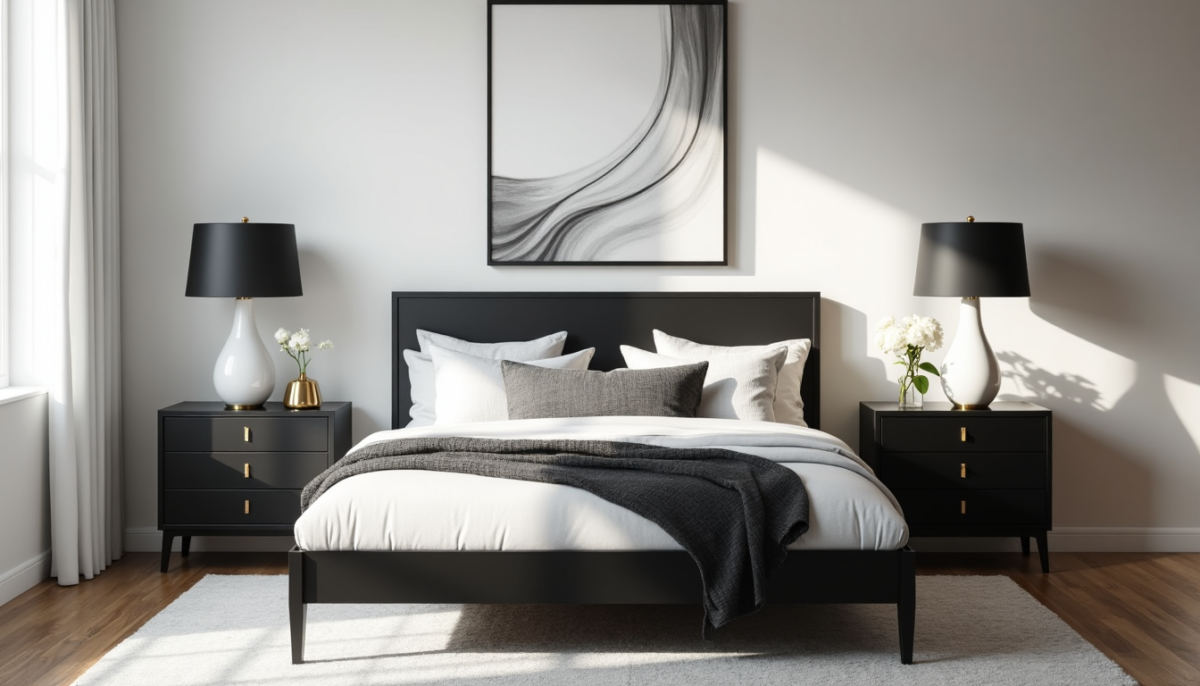
Small bedrooms look bigger with a monochromatic grey palette. Colour drenching - using different shades of the same colour - isn't just for bold colours. Grey tones create a smooth, spacious feel too. This approach "helps to make your room feel bigger" and brings "calmness to a room."
You can create depth by layering different grey values from light to dark without breaking up the visual flow. This works because it removes harsh colour transitions that can make spaces look choppy. Light greys "bounce around natural light almost as easily as pure white walls and ceilings" which makes spaces look even bigger.
Grey as a Base for Small Modern Bedrooms
Grey makes a perfect foundation for small modern bedrooms because it's so versatile. It "harmonises well with almost every other hue" and works as "a most adaptable neutral." You can change styles without redecorating everything.
Grey walls make a great backdrop for art and statement pieces in small spaces without making the room feel busy. The neutral nature of grey blends well with different bedroom furniture styles and textures. You can be flexible with design choices whatever space you have.
Grey creates a calm, peaceful mood that helps promote relaxation and better sleep. These qualities matter in any bedroom, but they're extra important in smaller spaces where peace helps balance out the limited square footage.
Soft Lavenders and Lilacs: Unexpected Space Enhancers
Small bedrooms can benefit from lavender and lilac tones in unexpected ways. These soft purple shades make spaces look bigger and add a touch of elegance. Most people overlook these colours and choose standard options instead.
The Optical Effects of Purple Tones
Lavender's unique properties make small rooms look bigger. This lighter shade contains blue undertones that create a receding effect. The walls seem to push outward, just as with pale blues, but lavender adds more depth and character to your space.
Purple shades do more than just improve the room's appearance. These colours help create a peaceful environment that promotes better sleep. Your brain responds to lighter purples by becoming more creative while letting go of stress. The soothing presence helps you relax in compact spaces.
Pairing Lavender with Space-Enhancing Accents
You can make your space look even bigger by pairing lavender with the right colours:
- Navy, tangerine, and emerald add depth through unexpected combinations
- Soft whites brighten the lavender while keeping visual flow smooth
- Grey with cool undertones expands walls with a modern palette
Cool lavender shades that have blue undertones work best in modern spaces. Frosted Lilac with blue hints creates a calm yet sophisticated environment. If you prefer warmer schemes, pick lilac with pink undertones to maintain that spacious feel.

Modern Applications of Purple in Small Bedrooms
Today's small bedroom designs use lavender in smart ways. Colour blocking with lavender on one wall behind the bed creates a focal point. Your eyes move through the space naturally, making the room feel larger. Dulux's Light French Grey, a pale lavender with subtle undertones, offers a more sophisticated take on traditional purple.
Lavender on the ceiling can make your room's height seem infinite. The standard approach extends wall colour to the ceiling, but painting just the ceiling in lavender creates an illusion of extra height.
Add texture with plush velvet cushions or textured throws in lavender tones. These details create dimension without taking up precious floor space. Your small room can have both style and spaciousness this way.
Pale Yellows: Brightness That Expands
Pale yellow fills small bedrooms with sunshine-like brightness and makes your space look bigger. This refreshing colour works as well as traditional whites for making rooms feel larger. Yellow brings unmistakable energy to any room and turns tiny bedrooms into welcoming havens.
How Yellow Affects Spatial Perception
Yellow has unique optical properties that affect how we perceive space. Light yellow rooms create more positive feelings than other colours. They make spaces feel both energizing and intimate. Soft yellow tones can brighten a bedroom while making it look more spacious.
Studies show yellow walls reflect light well and brighten spaces that lack natural light. This reflective quality challenges visual boundaries much like white does, but adds extra warmth. Muted light yellows such as buttercup, vanilla, and saffron work best to brighten dim rooms or make high-ceilinged spaces feel more intimate.
Balancing Yellow's Energy in Small Spaces
Yellow's space-enhancing benefits need careful planning in compact areas. Note that yellow makes a strong statement—a little does the job. You can prevent the room from feeling overwhelming by using yellow as an accent colour instead of painting entire walls.
Here are some balanced approaches:
- Mix yellow with wooden floors and natural materials for stylish subtlety
- Create depth by pairing yellow with darker shades
- Add grey to yellow for a calming effect that softens its vibrancy
Softer shades like Crisp Candlelight shine in small bedrooms. They add sunflower-inspired energy while keeping the atmosphere light. Subtle citrus colours and pale yellows act as brilliant bases that brighten without dominating.
Yellow Accent Techniques for Small Bedrooms

You can try these targeted yellow accent techniques instead of painting entire walls:
Yellow looks great on architectural features—doorframes, window trim, or a single statement wall behind the bed. These focal points guide your eyes through the space.
Yellow bedding—saffron sheets or marigold throws give you affordable ways to refresh your space without long-term commitment.
Unexpected yellow touches through pillow shams, lampshades, or decorative objects add controlled bursts of colour. A bold yellow antler-shaped hat rack could become the standout piece that ties your small bedroom together.
Pattern enthusiasts might like stenciled yellow wall designs or yellow floral patterns with matte finishes. These add texture without overwhelming the space.
Strategic Dark Colours: Creating Depth in Small Spaces
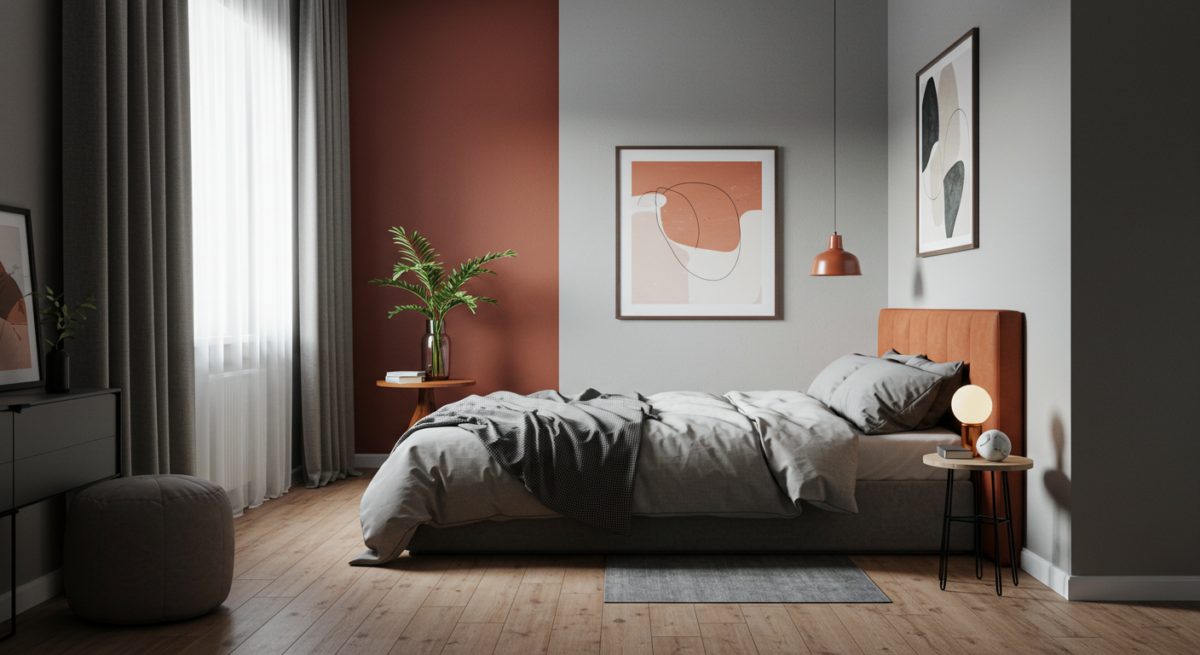
Dark colours can make your small bedroom feel larger, which might surprise many people. This design secret creates depth through optical illusion where none exists. Smart use of dark shades can turn tight spaces into cozy, sophisticated retreats.

The Receding Wall Technique
Dark colours make walls look like they're moving back, which creates an illusion of more space. "Contrary to traditional thinking, dark paint allows the room to appear larger and taller than it may be. Dark colours add depth, visually enlarge the space, and make a great statement," explains designer Lichelle Silvestry. This technique works because deep shades blur the edges. The eye can't easily tell where walls end, which tricks your brain into seeing more space.
When and Where to Use Dark Colours
Small bedrooms with limited natural light work well with dark colours. Rather than trying to brighten dark spaces, you can embrace the room's character with deep, rich shades. Dark paint works best on the wall that gets the most natural light or as a feature wall behind the bed. Rooms filled with natural light can also benefit from rich, deep shades that create a cozy cocoon effect.
Balancing Dark Shades with Light Elements
Light-coloured elements keep dark-walled rooms from feeling overwhelming. Light furniture against dark walls creates dimension - dark walls seem to expand while light pieces stand out. White ceilings usually make rooms look taller through dramatic contrast. Wall lights, dimmable bedside sconces, and soft lighting create a relaxing mood that shows off the sophisticated depth of dark walls.
Modern Dark Colour Applications for Small Bedrooms
The most popular dark bedroom colours now include earthy Brunswick Green, rich Nether Red, or Benjamin Moore's Black Beauty for dramatic effect. Modern designers often use the same dark colour on walls, ceiling, and trim. This unified look blurs surface lines, making rooms feel bigger and taller. Deep blues and greens with moody undertones can also create sophisticated yet cozy spaces perfect for sleep.

Colour Blocking: Creating Zones in Limited Space
Colour blocking helps transform tiny bedrooms by creating defined zones in limited space. This design technique uses contrasting blocks of colour to add visual interest, outline space, and make rooms look larger than they actually are.
Horizontal vs. Vertical Colour Blocking
The way you direct your colour blocking shapes how people see the space. Vertical stripes raise ceilings visually and make rooms look taller—perfect for bedrooms with low ceilings but enough floor space. Horizontal colour blocking makes narrow bedrooms appear wider and more balanced. Your room's specific constraints should guide your choice of direction.
Colour blocking helps separate functional areas without physical dividers in bedrooms that double as workspaces. As one designer notes, "Colour blocking can be particularly effective when paired with wallpaper." This creates distinct zones while the space maintains its visual flow.
Three-Colour Techniques for Small Bedrooms
Colour blocking gives you creative freedom, but design experts suggest using no more than three colours to achieve the best visual impact in small spaces. These combinations work well:
- A neutral base with two complementary accent colours
- Monochromatic schemes using three shades of the same colour
- Two contrasting colours plus a neutral transition shade
The colour wheel helps you find colours that work well together. Opposite hues create bold contrasts (red/green, purple/yellow, orange/blue), while adjacent colours offer subtle transitions.
Modern Colour Block Ideas for Visual Expansion
Today's colour blocking goes beyond simple horizontal or vertical divisions by including geometric patterns. Arches, diagonal splits, and colour-blocked corners add architectural interest without construction work. This technique "injects personality into an interior" while creating optical illusions that make spaces look bigger.
You can extend colour blocking from walls to the ceiling to maximize space benefits. This creates a room-within-a-room effect and defines key areas like reading nooks or bed zones while keeping the visual flow consistent throughout the space.
Ceiling and Trim Techniques: The Fifth Wall Approach
Your bedroom's ceiling holds untapped potential to make the space look bigger. Design experts call it the "fifth wall" because it plays a vital role in creating spatial illusions. The right ceiling and trim treatments can change how big a room looks without moving walls.

Ceiling Colours That Raise Height
A seamless look emerges when you paint ceilings and walls the same colour. "For me, rule one in a tiny bedroom is to paint the ceiling the same colour as the walls," advises Joa Studholme, colour curator at Farrow & Ball. "This will make even the tiniest space feel bigger because you can't tell where the walls end and the ceiling begins".
Pale ceilings with subtle yellow undertones add brightness and make rooms feel taller. You could also welcome a bold look with darker ceiling tones. This creates a cozy canopy effect instead of making the room feel cramped.
Trim Techniques for Expanded Width
Strategic placement of mid-wall trim at eye level creates horizontal lines that make your room look wider. Rooms with high ceilings benefit from trim work extended to about 7 feet. Paint everything in one colour to create a balanced look that expands the space.
Vertical patterns make rooms look taller, while horizontal ones create width. These directional elements guide your eye and reshape the room's perceived dimensions.
Modern Ceiling Treatments for Small Bedrooms
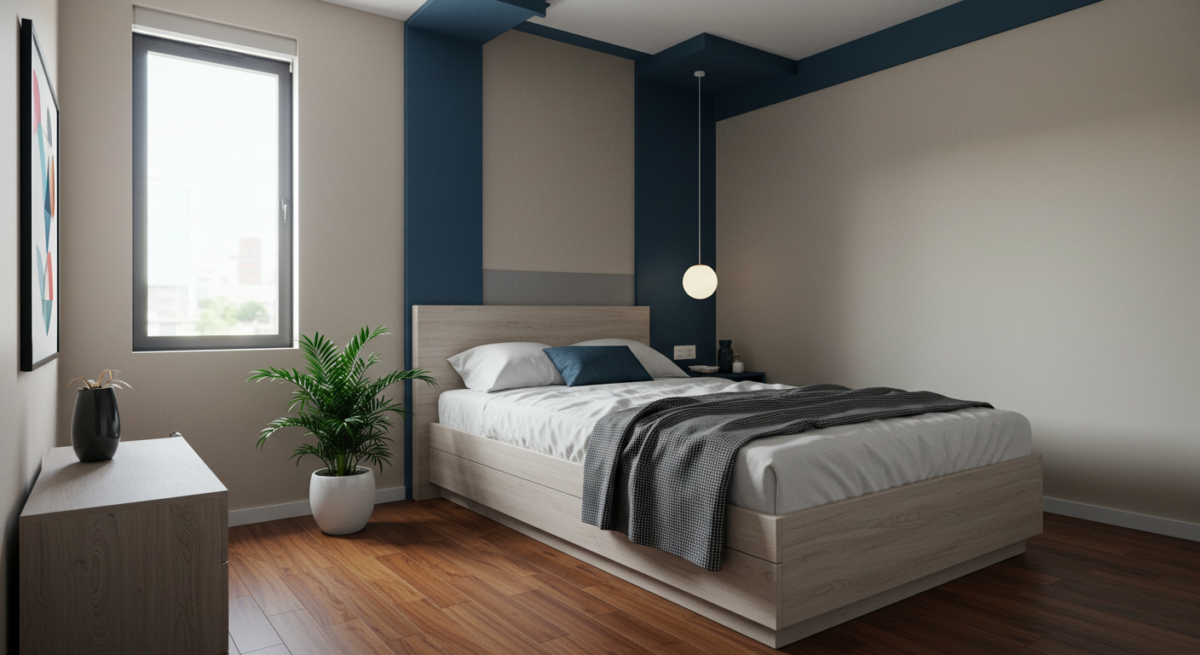
Modern approaches include textured treatments that add depth without taking up floor space. Lime paint finishes are a great choice. They provide organic texture and resist mold growth—perfect for bedrooms.
Minimalist spaces shine with recessed ceiling sections painted in deep blue or grey. This modern update adds depth. You could also extend geometric patterns from walls to ceiling, stretching the space visually.
Creating Architectural Interest with Paint
Colour blocking on ceilings helps define zones in multi-purpose small bedrooms. This technique draws eyes upward and emphasizes vertical space in rooms with limited floor area.
Diagonal continuation patterns create an illusion of bigger dimensions in distinctive small bedrooms. Angular lines break up the typical box shape, making rooms feel more open.
Rooms with exposed beams look great with whitewashed treatments. This approach keeps the texture while maintaining spaciousness—striking the perfect balance between character and openness.
Comparison Table
| Paint Colour | Primary Benefits | Best Lighting Conditions | Recommended Combinations | Application Techniques |
|---|---|---|---|---|
| Light-Reflecting White | Expands space visually and enhances light reflection | Adapts to all conditions (specific shades suit N/S/E/W facing rooms) | Warm colours (brown, taupe, beige) or cool tones (navy, sky blue) | "Fifth wall" approach - walls and ceiling share same shade |
| Soft Blues | Makes spaces feel larger, reduces stress and adds depth | Natural light suits medium blues; minimal light works for lighter shades | White linens, coastal elements, natural textures | Works well with built-in storage, ceiling application creates height illusion |
| Gentle Greens | Brings nature indoors and lowers stress levels | Bright spaces work best; yellow-tinted shades suit dim areas | Grey, white, pink; gold adds luxury | Biophilic design with plants and natural materials |
| Neutral Beiges/Taupes | Adds sophisticated depth while preserving space | North-facing rooms need warm neutrals, south-facing suit cool tones | Layer similar shades, mix varied textures | Two-tone wall designs, avoid mixing warm and cool neutrals |
| Strategic Greys | Provides modern base and expands space | South-facing rooms suit cool greys, north-facing need warm tones | Blends with most colours, especially monochromatic schemes | Colour drenching method, layer different grey values |
| Soft Lavenders/Lilacs | Adds character while making rooms feel larger | Brightens darker spaces effectively | Navy, tangerine, emerald, soft whites | Colour blocking, ceiling application creates height illusion |
| Pale Yellows | Brightens spaces and reflects light | Perfect for rooms with limited natural light | Wooden elements, grey tones, darker accents | Highlight architectural features, create accent walls |
| Strategic Dark Colours | Adds depth and softens boundaries | Suits both bright and dim natural lighting | Light furniture, white ceilings | Best on walls with most natural light, unified approach |
| Colour Blocking | Defines zones and enhances visual appeal | Works in any lighting condition | Limit to three-colour combinations | Vertical lines add height, horizontal lines widen space |
| Ceiling/Trim Techniques | Makes spaces feel larger and taller | Suits various lighting conditions | Match wall colours for smooth look | Mid-wall trim placement, continuous geometric patterns |
Conclusion
Paint colour is your best tool to make a small bedroom feel like a spacious sanctuary. Smart colour choices and application techniques can make the tiniest rooms feel bigger and more welcoming.
Classic white reflects light and makes spaces feel larger. Soft lavenders or carefully chosen dark colours offer sophisticated options too. Your colour choice should match your room's natural light and direction. Cool tones work best in south-facing rooms. Warm shades bring perfect balance to north-facing spaces.
Colour blocking and fifth wall techniques are modern ways to make rooms feel bigger. The best small bedroom makeovers often mix different approaches. You could pair gentle greens with natural elements or match your ceiling treatment with wall colours that complement each other.
Small bedrooms can be tricky to design. These paint strategies help you create an open, inviting space that looks bigger than it is. Pick colours that strike a chord with your style but also make the room feel larger. Your compact bedroom can become a cozy retreat that feels surprisingly spacious.
FAQs
Q1. What are the best paint colours to make a small bedroom look bigger? Light-reflecting whites, soft blues, gentle greens, and pale yellows are excellent choices for making small bedrooms appear larger. These colours reflect light and create an airy, open feeling. Strategic use of darker colours can also add depth and make walls recede visually.
Q2. How can I use colour blocking to maximize space in a small bedroom? Colour blocking can create defined zones in a small bedroom without physical dividers. Use a maximum of three colours, applying them in either vertical stripes to heighten the room or horizontal blocks to widen it. This technique adds visual interest while making the space feel more expansive.
Q3. Does painting the ceiling the same colour as the walls really make a room look bigger? Yes, painting the ceiling and walls the same colour can make a room appear larger. This technique, known as the "fifth wall" approach, creates a seamless look that visually extends the space by blurring the boundaries between walls and ceiling.
Q4. Can dark colours be used effectively in small bedrooms? Contrary to popular belief, dark colours can be used effectively in small bedrooms. When applied strategically, such as on a feature wall or in combination with light elements, dark colours can create depth and make the space feel more sophisticated and expansive.
Q5. What's the best way to incorporate green in a small bedroom for a spacious feel? To incorporate green in a small bedroom for a spacious feel, opt for light to medium green tones with specific undertones like soft olive or sage. Pair these with natural materials and incorporate plants to create a biophilic design that connects with nature while visually expanding the space.