




Table of Contents
Hay fever can significantly affect sleep, making it crucial to understand and manage your symptoms effectively. If you're experiencing seasonal allergies, you can often identify hay fever based on your symptoms, particularly if they occur during specific times of the year. Let's explore what to look for in detail:
Common Symptoms:
- Sneezing: Often occurs in frequent, uncontrollable bursts, which can be particularly disruptive during sleep or daily activities. This is one of the most recognisable hay fever symptoms.
- Runny or blocked nose: The nasal discharge is typically thin and watery, distinctly different from the thicker mucus associated with a cold. This can alternate between congestion and runniness throughout the day.
- Itchy, red, or watery eyes: This hallmark symptom of hay fever can be particularly bothersome and is less commonly associated with a cold. The itchiness may intensify when rubbing your eyes.
- Itchy throat, mouth, nose, and ears: A persistent irritation in these areas is common, often accompanied by a tickly sensation that's difficult to relieve.
- Loss of smell: Nasal congestion can significantly impair your sense of smell and, consequently, affect your taste perception.
- Pain around the sides of your head and forehead: The build-up of sinus pressure can cause considerable discomfort and may worsen when bending forward.
- Headache: Often develops due to ongoing congestion and general discomfort, potentially becoming more severe during peak pollen times.
- Feeling tired: Fatigue is common, typically resulting from disrupted sleep patterns caused by other hay fever symptoms and the body's immune response.
Timing and Triggers:
- Seasonal pattern: Hay fever symptoms typically intensify between late March and September during the pollen season. The specific timing varies depending on your particular pollen allergies: tree pollen dominates in spring, grass pollen peaks in summer, and weed pollen becomes prevalent in late summer/early autumn. Here in Harrogate, the grass pollen season is particularly notable and will likely cause significant symptoms in the upcoming months.
- Weather conditions: Symptoms often worsen in warm, humid, and windy conditions when pollen counts typically reach their peak. Understanding these patterns can help you prepare with appropriate hay fever tablets and preventive measures.
- Exposure to pollen: Symptoms frequently manifest shortly after outdoor exposure, especially in grassy areas or near trees and flowers. The intensity can vary based on the day's pollen count and your level of exposure.
Distinguishing Hay Fever from a Cold:
| Symptom | Hay Fever | Common Cold |
|---|---|---|
| Nasal Discharge | Thin, clear, and watery | Thicker, often yellowish or greenish |
| Sneezing | Frequent, occurring in multiple bursts | LesLess frequent, more sporadic |
| Itchy Eyes | Very common, often persistent | Rare or absent |
| Fever | Never present | May develop low-grade fever |
| Body Aches | Rarely experienced | Commonly present |
| Duration | Persists throughout pollen season | Typically resolves within 1-2 weeks |
| Onset | Rapid onset after pollen exposure | Gradual development over days |
What to do if you suspect you have hay fever:
- Monitor your symptoms: Keep a detailed diary of when symptoms occur and what appears to trigger them. This can help identify specific pollen types affecting you.
- Try over-the-counter remedies: Various hay fever tablets and treatments are available, including antihistamines and nasal sprays. Some newer generation hay fever tablets are non-drowsy and provide 24-hour relief.
- Consult a doctor: If your hay fever symptoms are severe, persistent, or unresponsive to over-the-counter treatments, schedule an appointment with your GP. They can conduct a thorough evaluation of your symptoms, perform a physical examination, and potentially recommend allergy testing (such as skin prick tests or blood tests) to identify your specific triggers. This information can be invaluable in developing a more effective management strategy for your hay fever.
Do antihistamine tablets make you drowsy?
This is a common concern for many hay fever sufferers. While older-generation hay fever tablets can cause drowsiness, many modern antihistamines are specifically formulated to be non-drowsy, allowing you to manage your symptoms without affecting your daily activities.
Antihistamine tablets can indeed cause drowsiness, and it's essential to understand this common side effect when choosing your hay fever tablets. The drowsiness effect varies significantly between different types of antihistamines, particularly between first-generation and second-generation medications.
First-Generation (Sedating) Antihistamines:
These older hay fever tablets readily cross the blood-brain barrier, significantly impacting the histamine receptors in your brain that regulate wakefulness and alertness. This interaction explains why you might feel quite sleepy after taking these medications.
These antihistamines are considerably more likely to cause noticeable drowsiness and sedation. You might experience impaired coordination, slower reaction times, and reduced mental clarity - similar to feeling rather groggy or jet-lagged. It's particularly important to avoid driving or operating machinery when taking these medications.
Examples of first-generation antihistamines available in the UK include:
- Chlorphenamine (e.g., Piriton) - A common choice for hay fever symptoms, though sedating
- Diphenhydramine (often found in nighttime cold and allergy remedies like Nytol) - Particularly sedating
- Promethazine - Known for its significant drowsiness effect
- Hydroxyzine - Often prescribed for severe hay fever cases
- Cinnarizine - Less commonly used for hay fever but can cause notable drowsiness
Second-Generation (Non-Sedating or Less Sedating) Antihistamines:
These modern hay fever tablets were specifically developed to minimise the drowsiness that plagued earlier medications. Their molecular structure prevents them from easily crossing the blood-brain barrier, which significantly reduces their sedating effects.
While these newer antihistamines cause substantially less drowsiness than their first-generation counterparts, it's important to understand that "non-drowsy" doesn't guarantee zero drowsiness. Some individuals might still experience mild sleepiness, particularly when:
- Taking higher doses than recommended
- Combining the medication with alcohol
- Taking them alongside other medications that cause drowsiness
- Having a particular sensitivity to antihistamines
Examples of second-generation antihistamines available in the UK include:
- Acrivastine (e.g., Benadryl Allergy Relief) - Generally less sedating but may cause mild drowsiness in some people
- Cetirizine (e.g., Piriteze, Zirtek) - While marketed as non-drowsy, some users report mild sedation, particularly during initial use
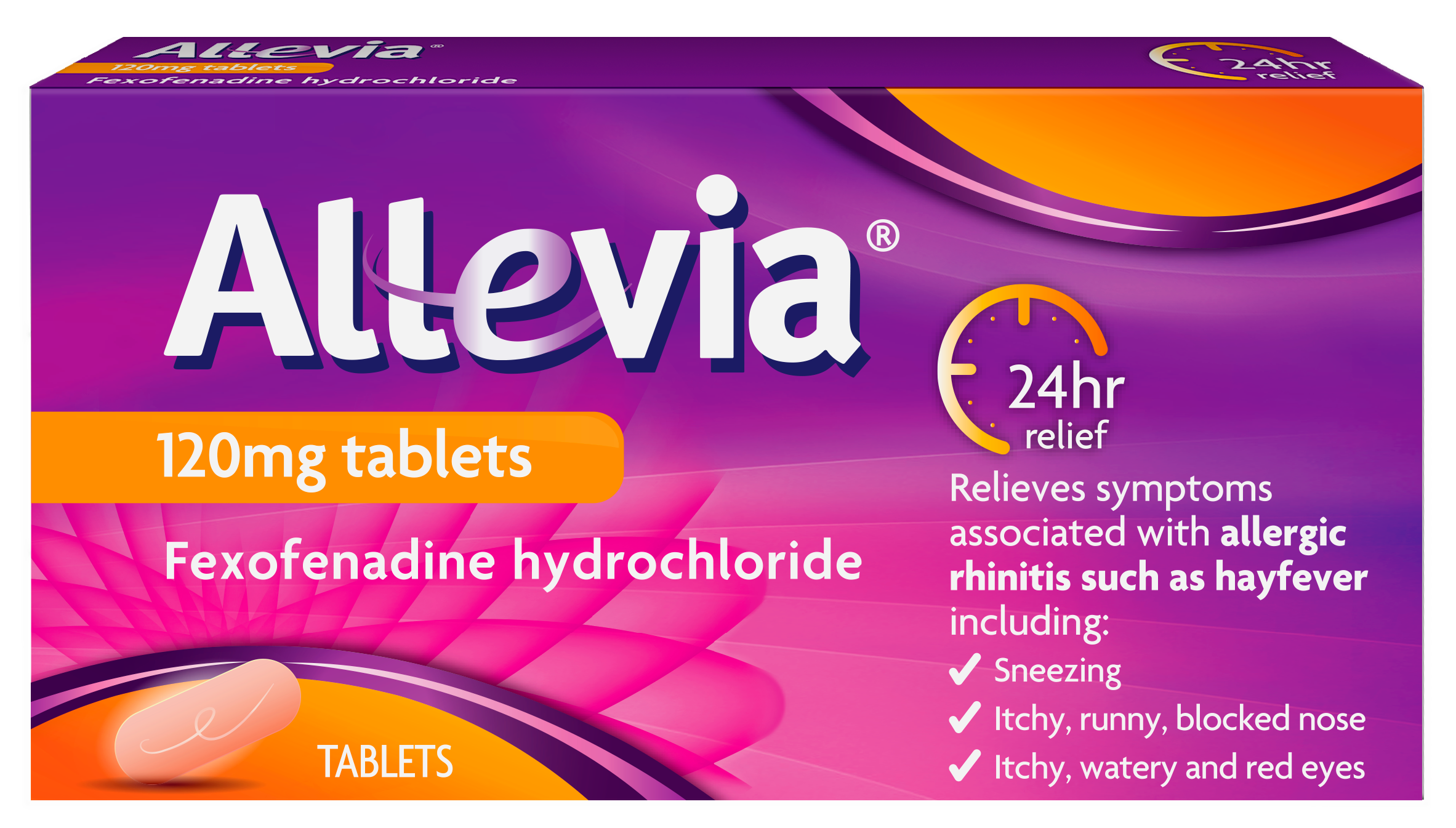
- Fexofenadine (e.g., Allevia) - Often considered the gold standard for non-drowsy hay fever tablets, with minimal sedating effects
- Loratadine (e.g., Clarityn) - Another popular choice with minimal sedating properties
Can you buy mattresses that help people with hay fever?
While there's no single "best" mattress specifically for hay fever sufferers, certain materials and features can help minimise allergen exposure during sleep. The key is selecting a mattress made from hypoallergenic materials whilst implementing good practices to reduce allergens in your sleeping environment. Here's what to consider:
Mattress Materials to Consider:
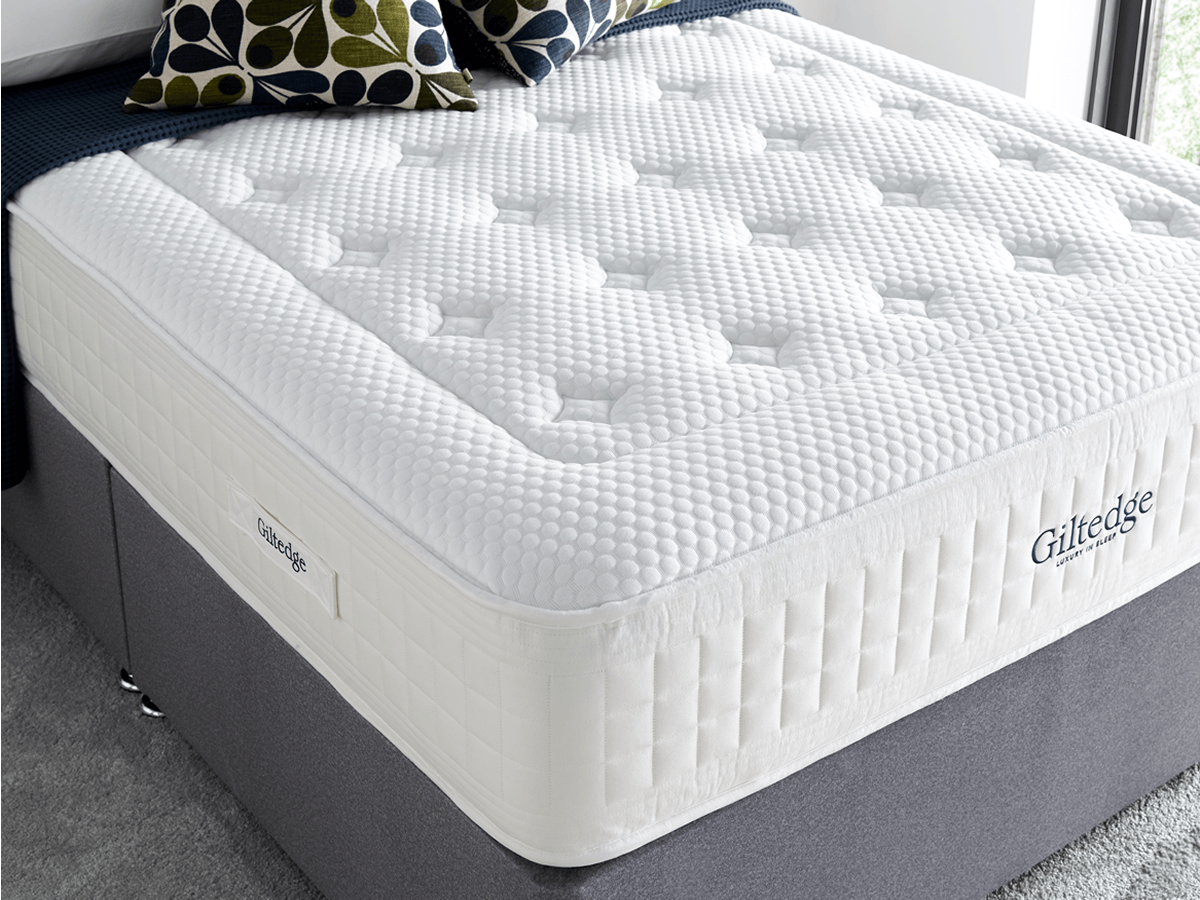
- Memory Foam: The dense, closed-cell structure of memory foam makes it naturally resistant to dust mites and other common allergens that can worsen hay fever symptoms. Being synthetic, it also avoids potential natural allergens.
- Latex (Natural or Synthetic):
- Natural Latex: Derived from rubber tree sap, natural latex offers excellent hypoallergenic properties and natural resistance to dust mites and mould. However, those with latex allergies should avoid this option.
- Synthetic Latex: A safe alternative that provides similar hypoallergenic benefits without the risk of latex allergies.
Polyester: Many modern mattresses incorporate polyester in their comfort layers or as a primary core material. This synthetic fibre offers several advantages for those struggling with hay fever symptoms. Its tightly woven structure creates a less hospitable environment for dust mites compared to natural fibres, making it an excellent choice for allergy sufferers. Additionally, polyester's moisture-wicking properties help maintain a dry sleeping environment, which can further reduce allergen accumulation.
Gel Foam: Building upon the benefits of traditional memory foam, gel-infused foam mattresses feature an innovative dense structure that actively resists common allergens. The addition of cooling gel particles not only helps regulate temperature but can be particularly beneficial for hay fever sufferers, as excessive heat and humidity often exacerbate allergy symptoms. This cooling effect can provide welcome relief during peak hay fever seasons when symptoms tend to be most severe.
Mattress Materials to Potentially Avoid (or be cautious with):
- Natural Fibres (like wool, cotton, or down) without protective barriers: While certain natural fibres, particularly wool, possess inherent hypoallergenic properties, their open structure can become problematic for hay fever sufferers. These materials can trap dust mites more readily if not properly protected. For those who prefer the comfort and sustainability of natural fillings, it's crucial to ensure the mattress features a tightly woven, allergen-proof cover. Consider using additional protective barriers specifically designed for allergy prevention.
- Inner Spring Mattresses (without proper encasement): Traditional innerspring mattresses present unique challenges for those managing hay fever symptoms. Their complex internal structure, featuring numerous springs and multiple filling layers, creates countless microscopic spaces where dust mites and allergens can accumulate over time. If you're committed to choosing an innerspring mattress, investing in a high-quality, allergen-proof mattress protector becomes absolutely essential for managing hay fever symptoms effectively.
Key Features to Look For in a Hay Fever-Friendly Mattress:
- Hypoallergenic Materials: When selecting materials, prioritise options like memory foam, latex, or mattresses with synthetic fills such as polyester. These materials have proven track records in minimising allergen accumulation and supporting better sleep for those with hay fever.
- Tightly Woven Cover: The mattress cover serves as your first line of defence against allergens. Look for covers crafted from tightly woven materials such as high-thread-count cotton or advanced microfibre. Some manufacturers now offer covers with specialised antimicrobial treatments, providing an extra layer of protection against allergens.
- Washable Cover: Selecting a mattress with a removable, machine-washable cover is particularly beneficial for hay fever sufferers. This feature allows for regular deep cleaning to eliminate accumulated allergens, pollen, and other irritants that might trigger symptoms.
- Certifications: When shopping for an allergy-friendly mattress, look for respected certifications such as the Allergy UK Seal of Approval, OEKO-TEX Standard 100, or CertiPUR-US. These certifications provide assurance that the materials have undergone rigorous testing for harmful substances and potential allergens.
Beyond the Mattress: Additional Tips for an Allergy-Friendly Sleep Environment:
- Use Hypoallergenic Mattress and Pillow Protectors: Invest in high-quality encasements that create an effective barrier against dust mites and other allergens. Ensure these protectors feature tight weaves and are regularly washable.
- Wash Bedding Regularly: Maintain a strict weekly washing schedule for all bedding items, including sheets, pillowcases, and duvet covers. Use hot water (minimum 60°C) to effectively eliminate dust mites.
- Maintain Low Humidity: Since dust mites thrive in humid conditions, consider using a dehumidifier to maintain bedroom humidity levels below 50%. This simple step can significantly reduce allergen populations.
- Vacuum Regularly: Use a vacuum equipped with a HEPA filter to effectively capture dust and allergens. Pay particular attention to your mattress surface, nearby carpeting, and any bedroom curtains.
- Air Purifier: Consider installing an air purifier featuring a HEPA filter in your bedroom. This can help remove airborne pollen and other allergens that might otherwise settle on your bedding.
- Keep Pets Off the Bed: Pet dander represents a significant allergen source for many individuals. Establishing a "no pets on the bed" rule can substantially reduce your exposure to this common trigger.