



Table of Contents
Layering bed
Ever walked into a bedroom that just feels instantly inviting? The kind of space where you want to sink right in and never leave? The secret lies in something designers have mastered but rarely share: layering textiles.
Your bedroom should feel like your own personal retreat. A place where every texture works together to create that perfect cocoon of comfort. When you layer textiles properly, you're not just adding pretty fabrics – you're building depth, warmth, and character that makes your space feel genuinely lived-in.
Whether you want to create a hotel-worthy sanctuary or simply make your current bedding feel more luxurious, mastering textile layering will change everything.
You'll discover exactly how designers approach bed linens, learn practical ideas that actually work in real bedrooms, and pick up the techniques that turn ordinary bedding into something worth shouting about.
Ready to transform your bedroom this weekend?
Why texture matters more than you think
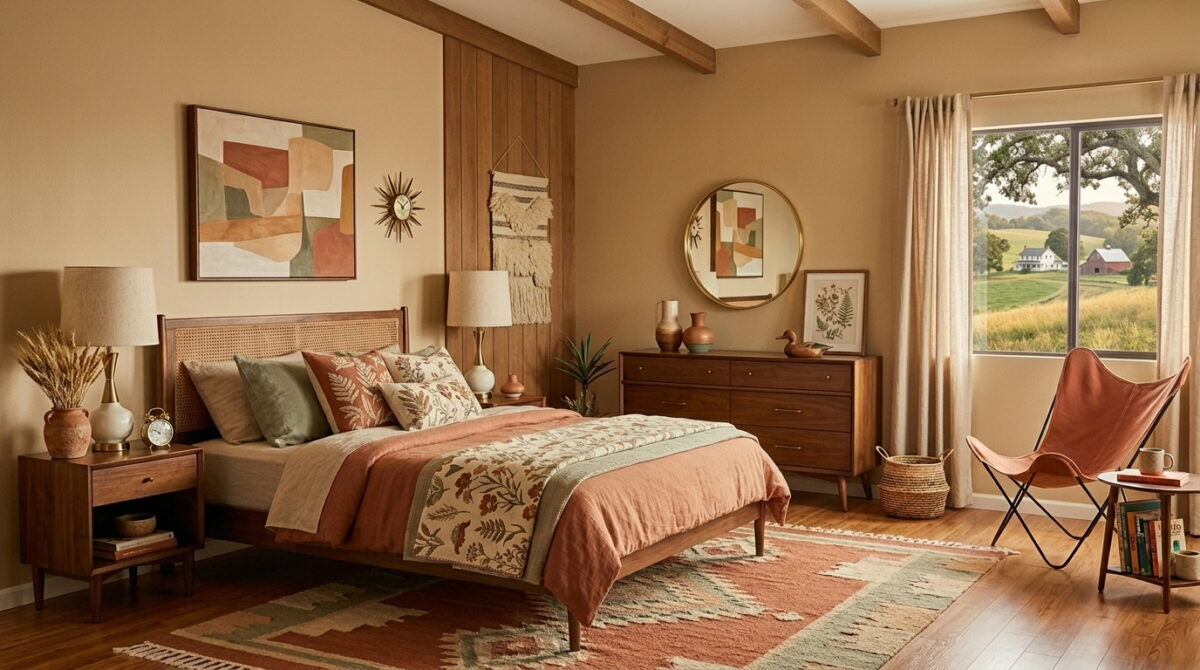
Texture shapes how your bedroom feels just as much as how it looks. Crisp cotton brings that fresh, hotel-like feeling, whilst soft linen creates instant relaxation. When you're layering textiles, your material choices become the foundation of everything else.
Natural fabrics work brilliantly for layering bed linens, and here's why. Cotton delivers breathability and softness that works year-round. Linen, made from flax fibres, can absorb up to 20% of its weight in moisture before feeling damp – which explains why it's perfect if you tend to sleep warm.
This clever material also uses 60% less water and 18% less energy than cotton to grow. Organic cotton farming uses up to 91% less water than conventional methods, so you're making better choices for your bedroom and the planet.
Each fabric brings its own personality to your space. Silk feels luxurious and catches light beautifully, whilst linen gives you that relaxed, lived-in vibe. Wool adds gorgeous organic texture with natural stain resistance built right in. Bamboo offers antibacterial properties with a silky-smooth feel.
Natural fibres develop those lovely subtle variations in texture and colour that create real visual interest. Linen has beautiful slubs – those thick and thin areas in the yarn that give it character. Cotton offers that perfect matte finish, and wool delivers durability that lasts.
Don't be afraid to mix these materials strategically. Combine velvet cushions with wool throws, or pair smooth percale sheets with textured waffle weaves. The trick is balancing heavy and light textures so your space feels layered without being overwhelming.
How to layer your bed like a professional
Getting that designer look isn't about expensive linens – it's about following the right sequence. Professional bed layering builds from foundation to focal point, and once you know the steps, you'll wonder why your bed ever looked flat.
Start with your fitted sheet pulled drum-tight across your mattress. Think hotel-crisp corners that won't budge when you move around at night. If you're using a flat base sheet, master those hospital corners for that polished finish.
Your top sheet goes on pattern-side facing down. Sounds backwards, doesn't it? Here's why designers do this: when you fold the bedding back later, the most attractive side becomes visible. Tuck it in securely for a structured look, or leave it loose for relaxed appeal.
Next comes your mid-layer – this is where most people go wrong. A coverlet or quilt provides the structural weight that prevents your bed from looking like a pancake.
This layer sits between your sheets and duvet, adding temperature control whilst giving your bed proper substance. Position it evenly across the mattress, leaving space at the top for that perfect turn-back.
Now for the hero piece: your duvet. Give it a proper shake before positioning to maximise that fluffy loft. Sharing your bed? Size up your duvet to eliminate those midnight tug-of-war battles.
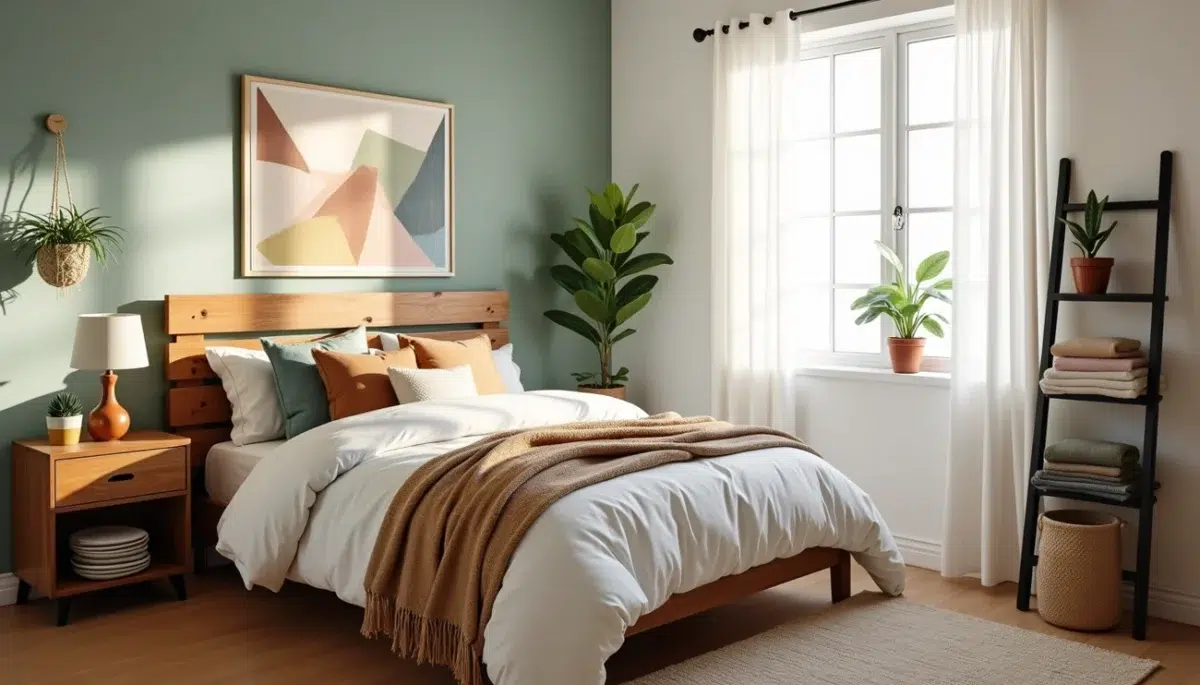
The turn-back creates the signature designer look that makes all the difference. Fold your top sheet and mid-layer back by roughly one-third of your bed's length. This proportion isn't random – it creates balanced visual appeal whilst showcasing those lovely linens underneath.
Takeaway Tip: The turn-back should feel natural, not forced. Aim for that "just-slept-in" elegance.
Finish with a tactile throw or bed runner at the foot. This final layer grounds everything together and gives you that last texture hit. Drape it loosely for weekend vibes or fold it neatly for weekday structure.
Follow these steps, and your bed will look worthy of a design magazine – guaranteed.
How to get your pillow arrangement spot-on
Pillow placement can make or break your layering bedding ideas.
This creates those crisp, aligned edges that instantly signal quality design. Here's the key: leave roughly two-thirds of your bed surface clear of pillows. Too many cushions overwhelm the space and make it feel cluttered rather than luxurious.
Colour combinations that actually work
Stick to two or three core colours when layering textiles. This gives you room to play with different tones of the same shade without creating chaos. Follow the 60-20-10 rule: dedicate 60% of your visual space to the main pattern, 20% to smaller prints, and keep 10-15% for solid colours.
Feeling overwhelmed by patterns? Add plain white, grey, or natural elements to calm everything down.
Mix patterns like a pro
The secret to successful pattern mixing? Scale variation. Pair one large-scale pattern with one small-scale design. Choose patterns that share at least one common colour, even if the designs look completely different. Think floral prints with red accents alongside red-striped cushions – the shared colour creates harmony despite the contrasting patterns.
Takeaway Tip: Small bedrooms need restraint. Two or three carefully chosen pillows create an inviting bed that suits the room's proportions. Overstuffing makes your space feel cramped and visually heavy.
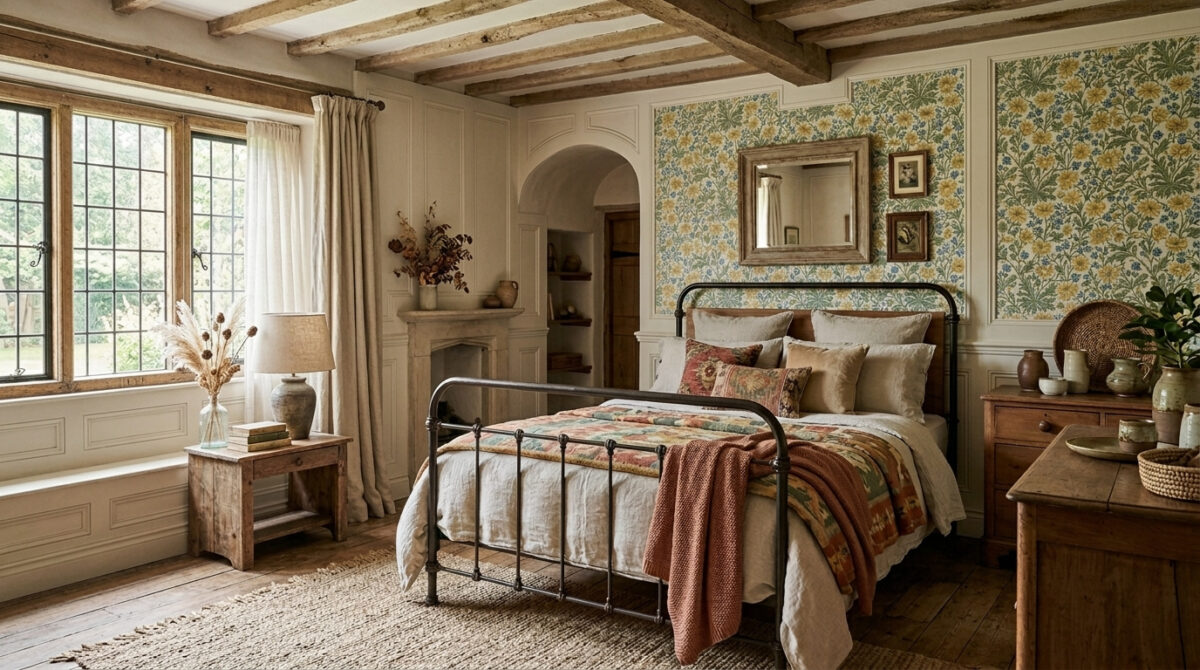
Your designer bedroom awaits
You've got everything you need to create that perfectly layered bedroom you've been dreaming about. Start with quality materials, follow the step-by-step approach from fitted sheet to final throw, and remember – sometimes less really is more.
Your bedroom deserves that boutique hotel feeling. This weekend, put these techniques into practice and watch your space transform before your eyes. The cosy, luxurious sanctuary you've been craving isn't just possible – it's completely within your reach.
Sweet dreams are made of perfectly layered textiles. Now go create yours.
FAQs
Q1. What is the 70/30 rule and how does it apply to bedroom textiles?
The 70/30 rule suggests using 70% of your space for a dominant element—such as a primary colour or pattern—whilst the remaining 30% features accent pieces. This creates visual interest and prevents your bedroom from feeling monotonous. When layering textiles, this might mean choosing a main duvet colour for 70% of the visual impact, then adding contrasting throws and pillows for the remaining 30%.
Q2. How do you layer a bed like a professional interior designer?
Start with a fitted sheet as your base, followed by a top sheet placed pattern-side down. Add a coverlet or quilt as your mid-layer, then position your duvet as the hero piece. Create a turn-back by folding the top layers down approximately one-third of the bed's length. Finish with decorative pillows arranged from back to front, and drape a throw blanket at the foot of the bed for the final touch.
Q3. What is the 2-2-1 pillow arrangement rule?
The 2-2-1 pillow rule uses five pillows in a specific pattern: two large square pillows at the back for sitting support, two medium rectangular sleeping pillows in front, and one accent pillow at the very front. This configuration creates a balanced, professional appearance whilst maintaining functionality. The arrangement keeps edges aligned and creates the crisp lines that signal quality design.
Q4. Why should you choose natural fabrics for bedroom textiles?
Natural fabrics like cotton, linen, and wool offer distinct advantages for bedroom layering. Cotton provides breathability and year-round comfort, whilst linen can absorb up to 20% of its weight in moisture, making it ideal for hot sleepers. These materials also develop subtle variations in texture and colour that add visual interest, and they're more environmentally sustainable than synthetic alternatives.
Q5. How do you mix patterns when layering bedroom textiles?
Mix patterns successfully by varying their scale—combine one large-scale pattern with one small-scale pattern. Choose patterns that share at least one common colour for cohesion, even if the designs differ significantly. Use the 60-20-10 rule: 60% main pattern, 20% smaller prints, and 10-15% solid colours. If the look feels too busy, introduce plain white, grey, or natural elements to calm the overall appearance.