



Table of Contents
Think luxurious bedroom decor requires an expensive designer? The secret is simpler than you might expect.
Your bedroom should feel like your own personal retreat. A space where comfort meets style, and every fabric tells a story.
The art of fabric layering is what elevates ordinary bedrooms into sophisticated spaces that feel as good as they look.
Bedding layering techniques are a vital element in styling luxury bedding, involving a thoughtful selection of textures, fabrics, colours, and patterns. Texture is the unsung hero of sophisticated design, defining how your space truly feels beneath your fingertips.
Whether you want to create a calming sanctuary or make a bold statement, fabric layering offers endless possibilities for expressing your individual style.
You'll discover bedroom decor examples that demonstrate effective layering techniques, plus practical tips for creating visual interest and warmth through intentional fabric selection.
And because you won't be redecorating your entire bedroom, you can create a luxurious feel in just one weekend.
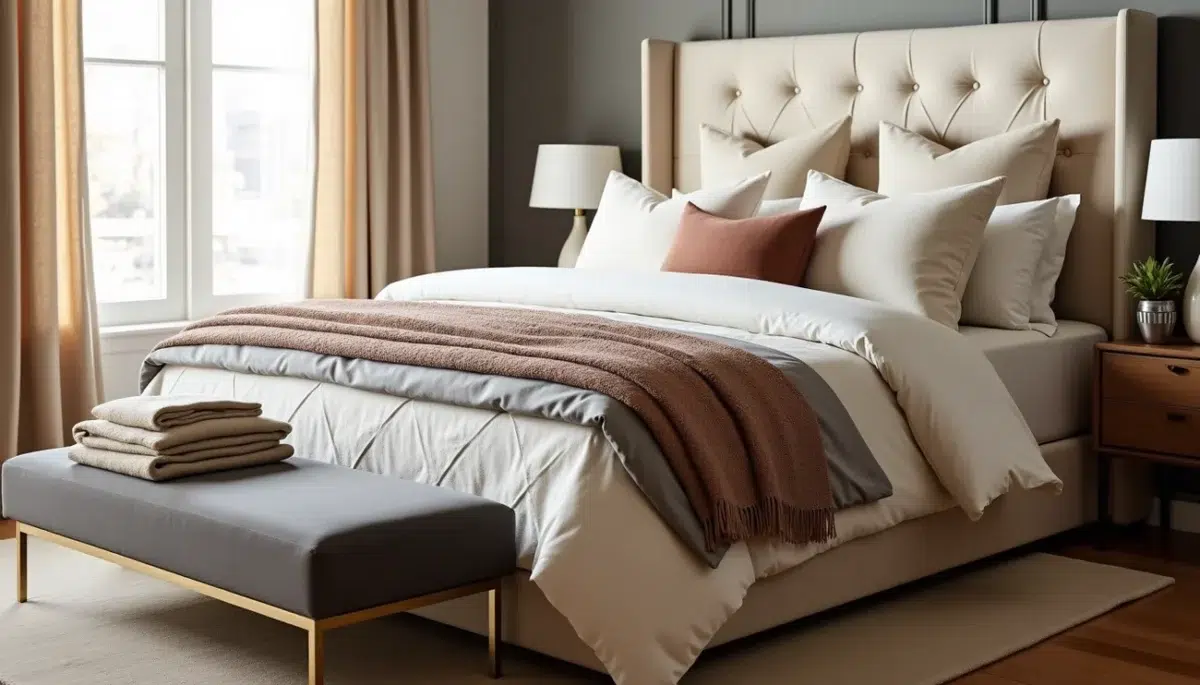
Why fabric layering makes all the difference
The secret behind luxurious bedroom design
Texture functions as the language through which luxury bedrooms communicate their character. Texture connects aesthetic beauty to tangible comfort, creating spaces that feel as refined as they appear. When you mix bedding textures thoughtfully, you create visual depth without overwhelming your colour palette.
Layering different bedding textures allows you to define luxury through touch rather than appearance alone. This approach adds softness and contrast to clean-lined furniture whilst refreshing neutral or monochrome rooms.
Crisp fabrics suggest freshness and structure, whilst smoother or heavier weaves introduce warmth and indulgence. The most luxurious bedrooms strike a perfect balance, and that balance stems from intentional material selection.
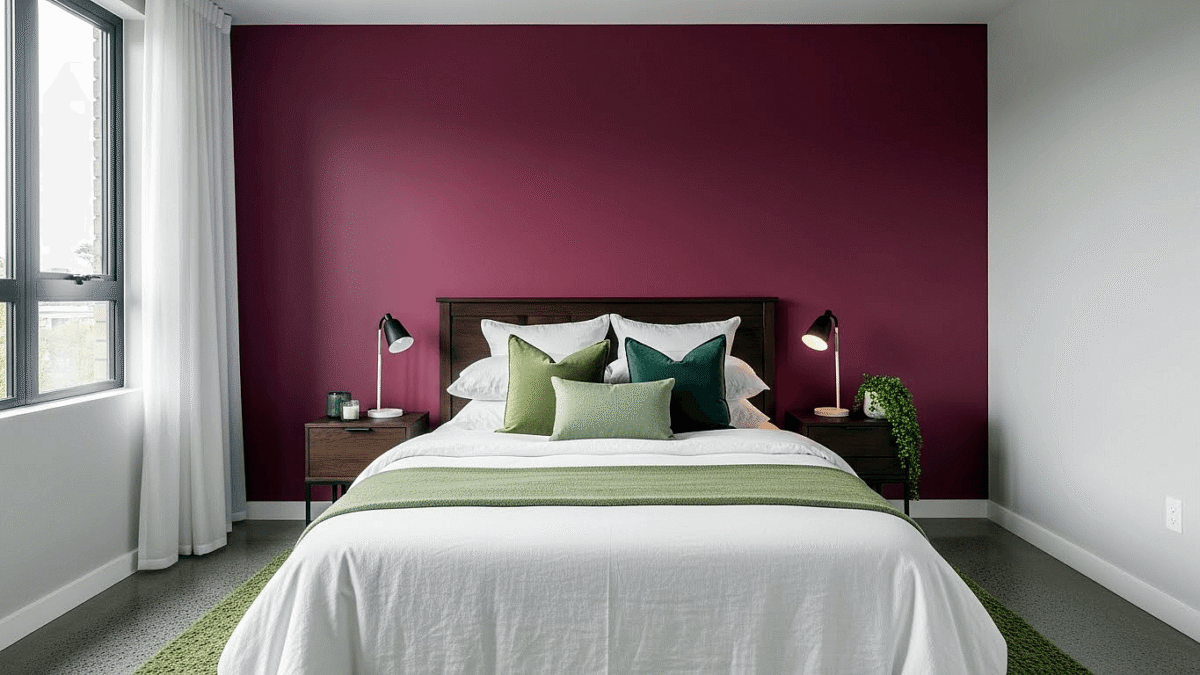
Fabric choices that create impact
Velvet adds richness and drama whilst catching light beautifully. Its soft, inviting nature makes it particularly suitable for headboards, curtains, or throws at the foot of your bed. Velvet works with most materials; when paired with linen, for instance, it creates a wonderful contrast between luxe and relaxed.
Linen offers natural breathability with casual elegance. This light, breathable fabric suits coastal-inspired looks and works beautifully for curtains, bedding, and soft furnishings.
Percale delivers a structured, hotel-inspired look with its matte finish and cool feel. It works as a base layer for fitted sheets and pillowcases, providing a tailored foundation that pairs beautifully with richer textures above.
Sateen brings a subtle sheen and silky drape that instantly softens your overall look. It reflects light gently, making it suitable for adding warmth to neutral or darker schemes. This fabric contrasts effectively with crisper materials underneath, creating considered luxury.
Boucle provides texture that remains timeless. Wool and boucle add warmth, working well for throws, cushions, and accent chairs.
How to choose your style and colours
Consider your personal taste alongside current trends when determining your bedding style, whether simple and minimalistic or bold and maximalist. Select a colour palette that cohesively aligns with the aesthetic you want your bedroom to create.
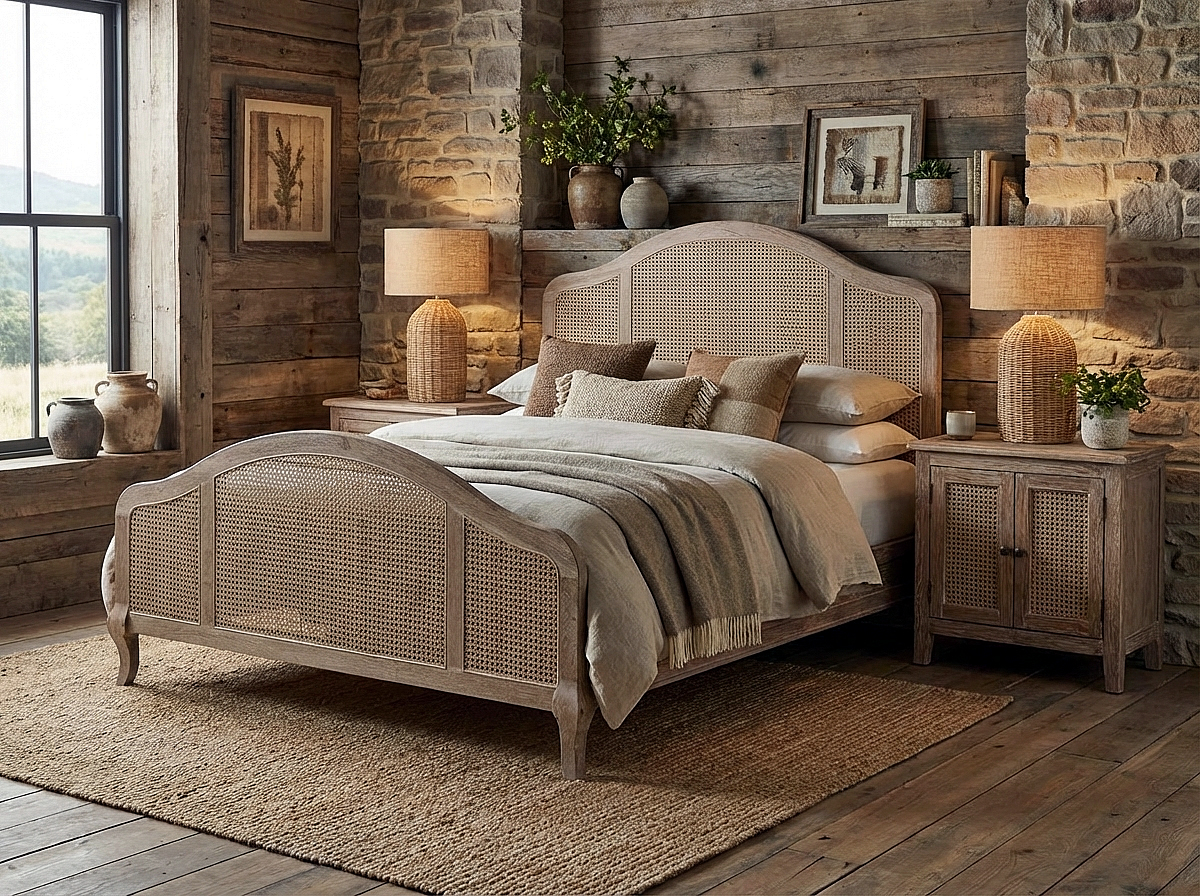
Earth tones and subtle floral prints capture a biophilic design, whilst rich, deep colours create a moody atmosphere.
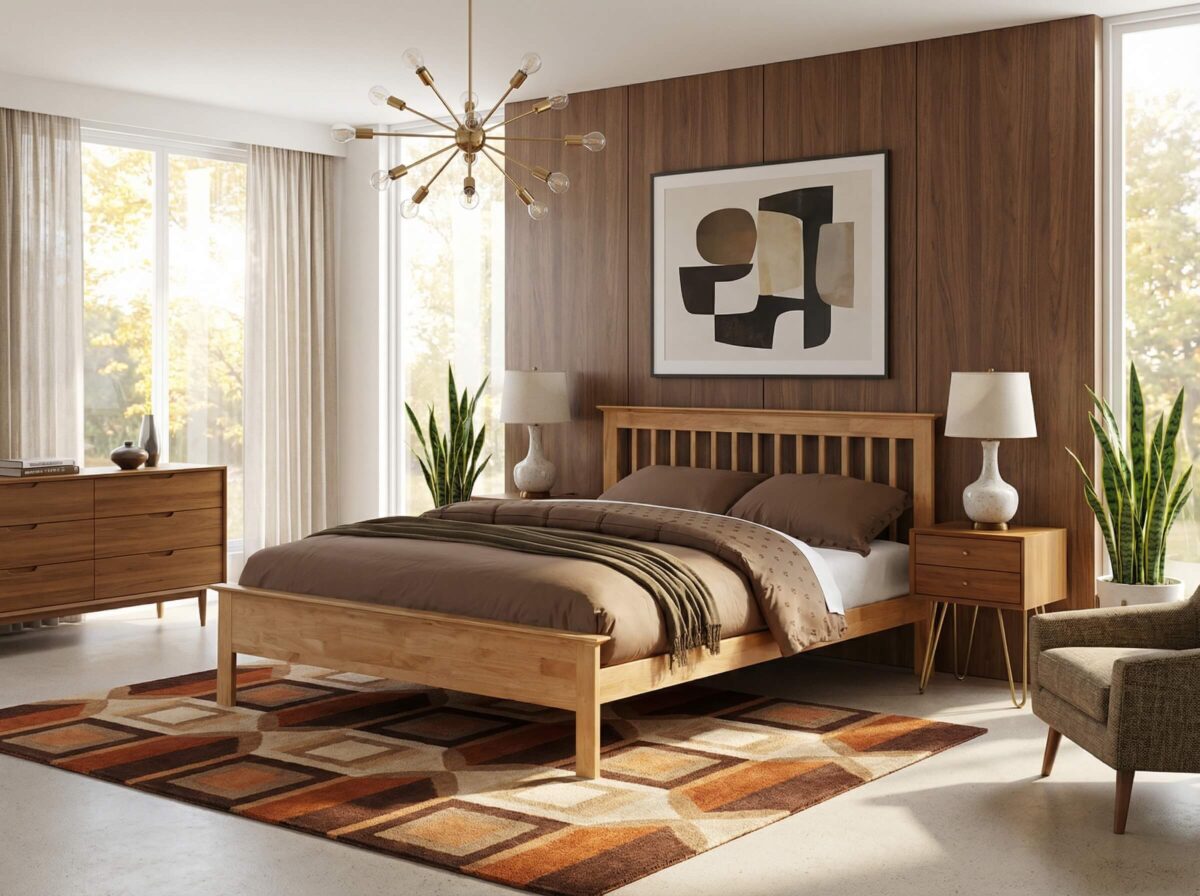
The key to successful pattern mixing? A strong colour palette that unifies different patterns together. Pair soft with sleek, rough with refined, always ensuring cohesion. Balance heavier fabrics with lighter ones to keep rooms airy yet grounded.
How do you layer fabrics on your bed?
Styling your bed properly starts with a methodical approach that builds from the mattress upwards. Think of it as creating the perfect foundation for your weekend makeover.
Start with quality sheets as your foundation
A fitted sheet that truly fits makes the single biggest upgrade you can make. Match the sheet to your mattress size and choose the right depth so elastic sits cleanly under corners.
Thread counts between 300 and 500 often deliver the best results for cotton sheets. Anything above 500 isn't necessarily better, and you should remain sceptical of thread counts over 1,000.
Place a flat sheet on top with the upper side facing down, allowing you to fold it back over the duvet later. This useful layer sits between you and the duvet, meaning you can wash your duvet cover less often.
Add a coverlet or blanket for texture
Coverlets offer the perfect balance of comfort and elegance as a lightweight top layer. You can fold a coverlet neatly at the foot of the bed for a decorative touch or use it as the primary bed covering. Choose a blanket long enough to cover both sides of the mattress in a contrasting colour or pattern.
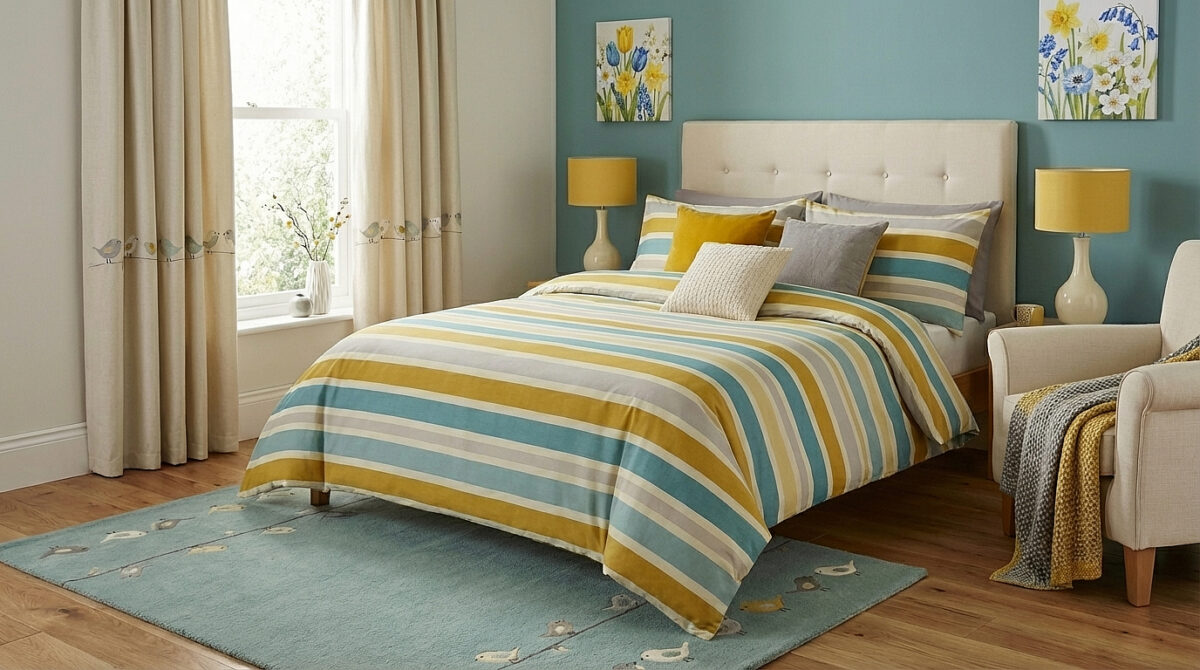
Layer with duvets and quilts
Add your duvet over the flat sheet, ensuring it's even on both sides. Shake it thoroughly for maximum fluffiness before arranging. For colder months, you could add a quilt or thick blanket on top of the duvet for extra warmth. Using a quilt one size larger than your mattress adds volume and creates beautiful draping.
Takeaway Tip: using a quilt one size larger than your mattress adds volume and creates beautiful draping.
Style with throws and decorative pillows
Complete your bed by draping a throw at the foot for added texture. Start by placing larger pillows against the headboard for support, then add standard sleeping pillows in front, followed by decorative cushions. Mix sizes, colours and patterns to create depth.
What you'll need:
- Quality fitted and flat sheets
- A coverlet or lightweight blanket
- Your duvet and cover
- A decorative throw
- A mix of pillows and cushions
Keep things on track:
- Start with properly fitted base sheets for a clean foundation
- Add your flat sheet with the finished side facing down
- Layer your duvet evenly across both sides
- Fold your coverlet at the foot of the bed or use as primary covering
- Drape your throw at the foot for that finishing touch
- Arrange pillows from largest to smallest, finishing with decorative cushions
Give your bed a final inspection once you've added the finishing touches. Tuck away any exposed zippers or buttons and ensure everything comes together in a polished look.
Luxurious bedroom decor ideas beyond the bed
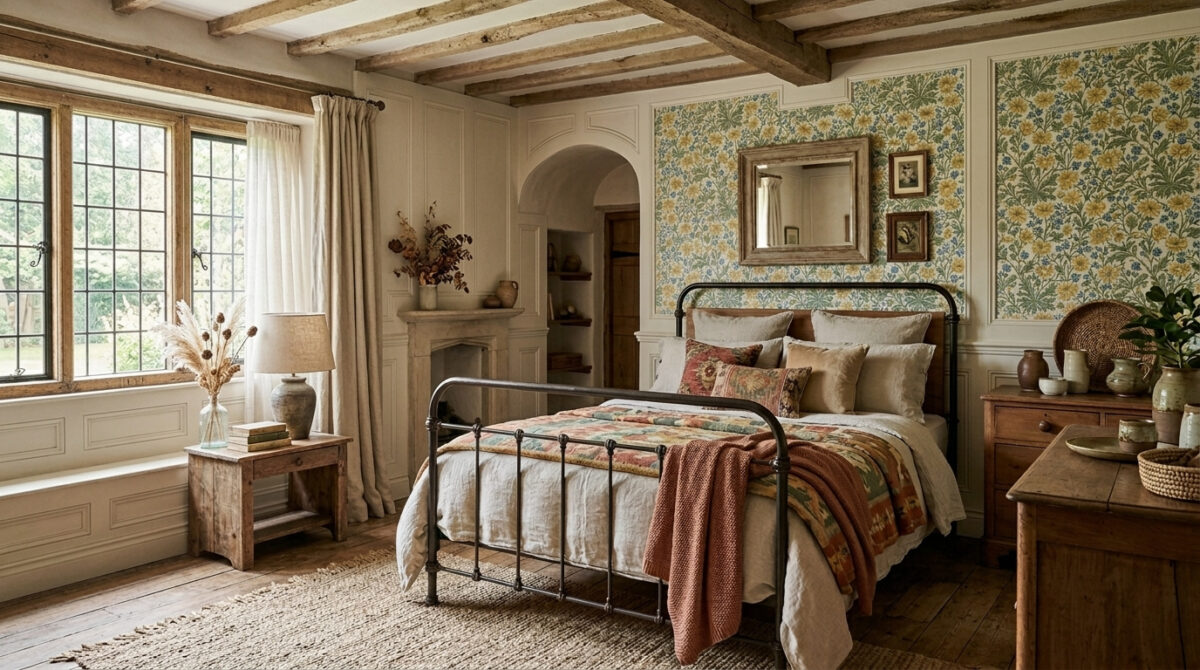
Don't stop at your bedding layers. Bedroom rugs and window treatments complete your luxurious sanctuary, extending that sophisticated feel throughout your entire space.
Add area rugs for warmth and comfort
Rugs provide warmth underfoot and insulate you from cold floors year-round. Place the rug under the entirety of your bed with all four legs and bedside tables resting on top, or position it under the majority of the bed with the upper edge sitting just below the bedside table legs.
The rug should extend roughly 12 inches from each side for a single bed, with an additional 6 inches for a double bed. Wool remains the benchmark for softness and durability, whilst shaggy rugs deliver plush comfort and sheepskin brings inviting texture.
Choose textured curtains and window treatments
Textured curtains made from chenille, boucle, velvet, and velour bring warmth to cold rooms. Heavyweight fabrics provide a luxurious drape and offer superior thermal regulation. Layering curtains with blinds creates depth through contrasting textures.
Combine plain and patterned fabrics or matte and tactile textures for visual interest. Roman blinds paired with curtains instantly make bedrooms more luxurious whilst offering different design combinations.
Takeaway Tip: heavyweight fabrics work particularly well for north-facing bedrooms that need extra warmth.
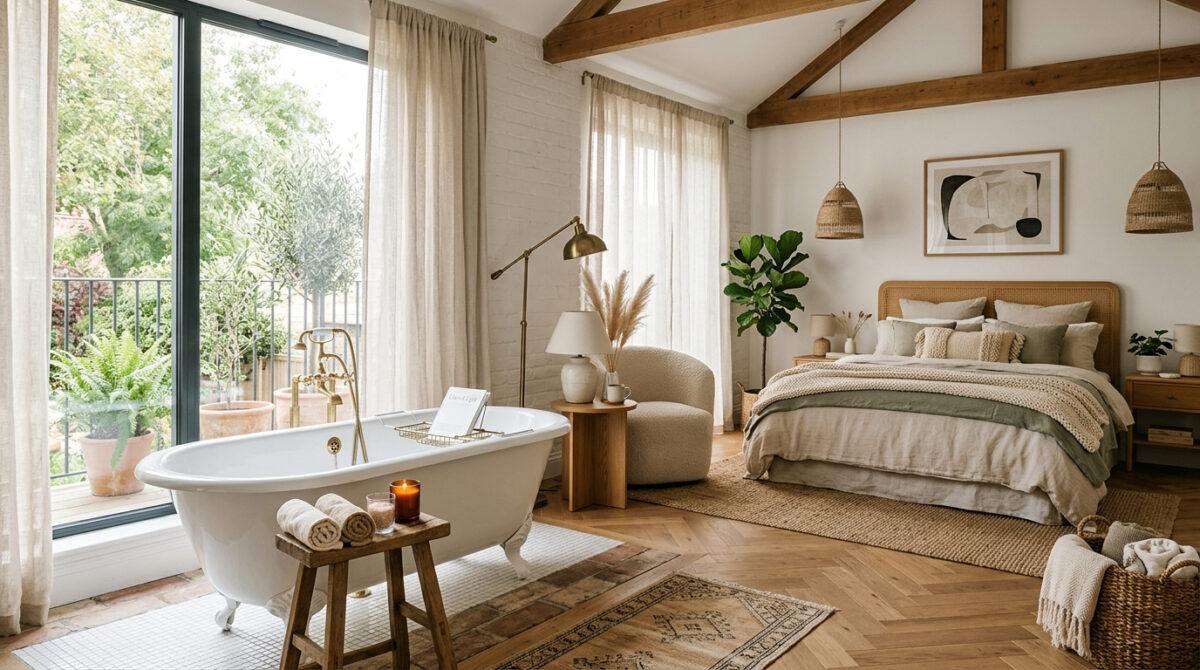
Incorporate upholstered furniture pieces
Upholstered furniture introduces additional fabric layers that enhance your bedroom's luxurious feel. Velvet upholstery delivers glamorous elegance, boucle provides chunky texture with cosy appeal, and faux leather offers sleek contemporary styling.
Match your fabric choice with your bedroom mood: light materials for calming atmospheres, bold velvet for luxury, or warm boucle for cosiness.
Why stop at one texture? Mix your upholstered pieces to create that layered look that makes luxury bedrooms feel so inviting.
What NOT to do when layering bedroom fabrics
Don't fall into these common traps that can ruin your luxurious look.
Fabric Layering Mistakes That Ruin the Look
Excessive pillows create frustration when getting into bed. Limit decorative pillows to three or five, varying sizes and textures for visual interest. Buying everything in matching sets produces dated, overly coordinated looks.
Similarly, using the same texture throughout makes beds appear flat and manufactured. Mix materials intentionally: pair woven linen with soft chenille or add nubby wool cushions to crisp cotton.
Skipping base layers leaves beds looking unfinished. Wrong headboard proportions and inadequate rug sizing also diminish the overall aesthetic.
Takeaway Tip: Three different textures in one space create the perfect balance without overwhelming your senses.
How to adjust layers for different seasons

Your fabric layers should work as hard as you do throughout the year.
Swap heavy winter bedding for lightweight, breathable materials as temperatures rise. Cotton and linen naturally wick moisture whilst promoting airflow.
Quilts provide ideal weight for air-conditioned rooms without causing overheating. For winter, add medium to high fill-power down comforters (700-800) that trap heat efficiently.
Flannel sheets and chunky knit throws deliver extra warmth. Transitional seasons demand adaptable medium-weight duvets with nearby throws for temperature fluctuations.
Don't forget to store seasonal fabrics properly to keep them fresh for next year.
Bedroom decor examples from luxury designs
Luxury bedrooms achieve their sophisticated feel through deliberate texture mixing. Plush velvet seating combined with layered textiles creates cosy, hotel-inspired spaces.
Layered rugs add familiarity and comfort. Mixing rose and earth tones with unlikely fabric pairings produces one-of-a-kind retreats. Complementary textures build harmony without overwhelming the eye.
The secret? Start with one statement piece and build your layers around it.
You now have everything you need to create a bedroom worth dreaming about through fabric layering. The secret lies in mixing textures intentionally, building quality layers from your foundation upwards, and extending that richness beyond your bed.
Why not start with one or two changes this weekend? Fix any mistakes we've covered, experiment with contrasting fabrics, and watch your space come to life. Remember, authentic luxury comes from thoughtful layering, not expensive price tags.
Your dream bedroom is closer than you think.