




Table of Contents
Your bedroom should be your own personal sanctuary. A place where you spend one-third of your life, so why not make it count?
Here's the thing – every choice you make about your bedroom affects both your health and our planet. Whether it's the paint on your walls, the sheets you sleep on, or the flooring beneath your feet, these decisions matter more than you might think.
Sustainable interior design isn't just a trend worth following – it's your chance to create a space that truly works for you. Picture waking up in a room that's not only beautiful but also free from harmful chemicals, energy-efficient, and built to last. That's exactly what you'll get when you choose eco-friendly design principles and sustainable interior design materials.
Don't worry, you won't need to throw out everything you own or break the bank. This guide will show you exactly how to build an eco-friendly bedroom that benefits both you and the environment. From certified organic bedding that helps you sleep better to energy-efficient lighting that cuts your bills, you'll discover practical steps that make a real difference.
Ready to create a bedroom worth waking up in?
What makes a bedroom truly sustainable?
Sustainable interior design focuses on creating spaces that work better for you and the planet. Think waste reduction, energy efficiency, healthier air quality, and timeless designs that won't date. This approach puts eco-friendly materials first, choosing responsible sourcing and production methods that protect both your wellbeing and the environment.
Most bedroom furniture contains a cocktail of harmful chemicals you definitely don't want to sleep with. Volatile organic compounds (VOCs), formaldehyde, and flame retardants all off-gas into your bedroom air throughout the night.
Indoor air can be two to five times more polluted than outdoor air, making your material choices absolutely critical. Poor indoor air quality causes up to 50% of all respiratory diseases, with VOCs triggering everything from breathing problems to cognitive issues and depression.
What's often overlooked? Plastic materials release microplastics and toxic chemicals as they break down, leading to respiratory problems, hormone disruption, and increased cancer risks.
Traditional furniture manufacturing relies on non-renewable resources and energy-intensive processes that speed up environmental damage. Embodied carbon from construction accounts for 10% of all global energy-related CO2 emissions, whilst concrete production alone contributes 8% of global CO2.
The health benefits you'll notice immediately
Switch to sustainable materials and you'll breathe easier – literally. Natural materials create toxin-free environments that dramatically improve air quality, especially benefiting anyone with allergies or respiratory conditions.
Sustainable interiors use low or no VOC finishes and adhesives, cutting your exposure to harmful substances significantly. Furniture made from natural materials also creates a sense of calm and connection to nature, supporting your psychological wellbeing alongside physical health.
Your wallet will thank you later
Sustainable materials might cost more upfront, but they're brilliant long-term investments. Homes built with sustainable materials can use up to 50% less energy than traditional homes. Energy-efficient windows, insulation, and heating systems slash your utility bills whilst offsetting those higher initial costs over time.
Sustainable materials like bamboo and recycled steel prove stronger and longer-lasting than conventional options, meaning less frequent replacement and lower maintenance costs.
The market recognises this value too. Homebuyers will pay more for energy-efficient homes built with sustainable materials, with 90% preferring these features even at higher upfront costs. Sustainable homes also command higher resale values, allowing you to recoup your initial investment when you move.
Which materials will create your perfect eco-friendly bedroom?
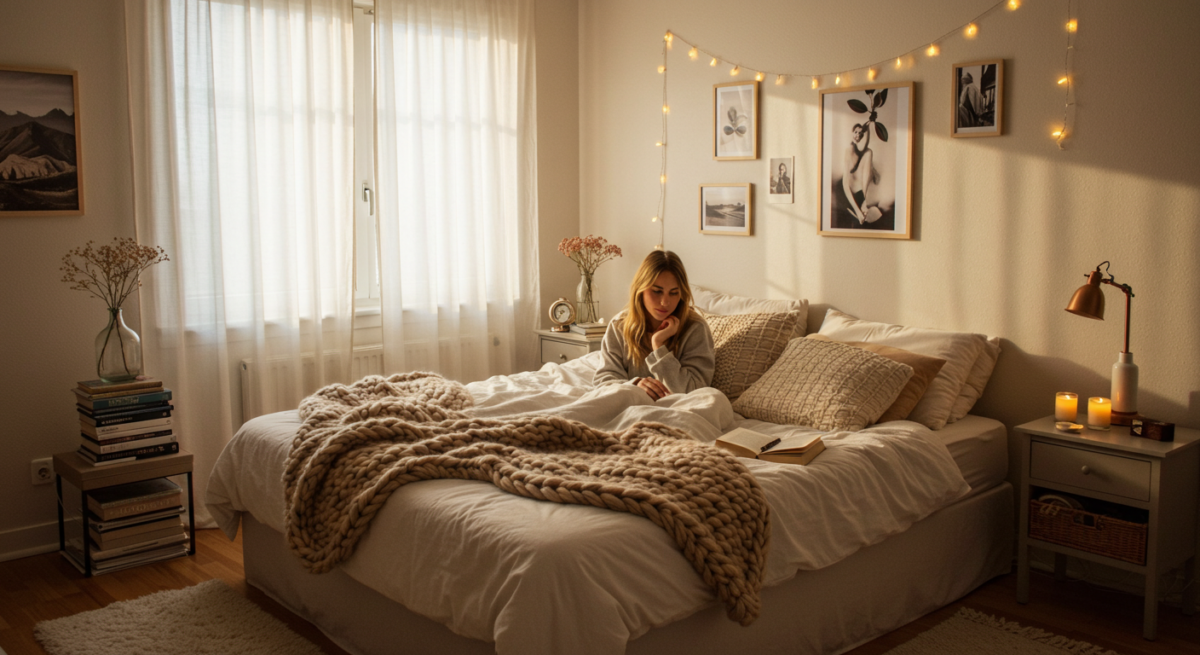
Choosing the right materials forms the foundation of your bedroom makeover. Get this step right, and you'll enjoy healthier sleep whilst reducing your environmental impact for years to come.
Organic Bedding and Textile Options
GOTS certification is your gold standard for organic bedding. This certification requires at least 95% certified organic raw materials and stringent worker protections throughout the entire supply chain. Don't be fooled by vague "natural" labels – GOTS gives you the real deal.
Organic cotton bedding grown without pesticides offers the perfect combination of durability and breathability, making it ideal if you're a sensitive sleeper. Linen derived from flax plants provides superior moisture-wicking properties and actually improves with each wash. Hemp bedding delivers natural antimicrobial properties with minimal environmental impact, whilst Tencel, made from sustainably harvested eucalyptus trees, boasts that silky-smooth texture with excellent moisture management.
Takeaway Tip: Verify authenticity through OEKO-TEX certification, which ensures textiles are free from harmful substances.
Natural Flooring Materials: Bamboo, Cork, and Reclaimed Wood

Bamboo flooring is a game-changer – it takes only 3-4 years to fully grow and regenerates without any human interference once cut. Look for FSC or PEFC certifications to ensure responsible forest management, plus FloorScore certification for indoor air quality compliance.
Cork harvested from bark retains three to five times more CO2 than unharvested trees. Its natural suberin content provides antimicrobial and hypoallergenic properties, perfect for creating that toxin-free sleep environment you're after.
Reclaimed wood sourced from old-growth trees offers superior density and stability. These pieces have already endured years of temperature changes that eliminate future splitting, so you're getting furniture that's built to last.
What certifications should you look for?
FSC certification guarantees wood from responsibly managed forests, whilst GREENGUARD certification ensures furniture emits low levels of VOCs. OEKO-TEX Standard 100 verifies every component is free from harmful substances, with four product classes based on skin contact level.
Low-VOC Paints and Non-Toxic Finishes
Here's something important – zero VOC paints eliminate toxic emissions entirely, unlike low-VOC options that still release chemicals. Benzene and methylene chloride in conventional paints are associated with cancer and convert to carbon monoxide inside your body. Choose zero VOC every time.
Eco-Friendly Window Treatments and Insulation
Windows account for up to 30% of your home's energy loss. Cellular shades with honeycomb structures trap air in pockets for insulation, whilst thermal curtains block cold drafts effectively. Complete your sustainable bedroom with bamboo, organic cotton, or recycled textile window treatments.
What makes a sustainable bedroom actually work for you?
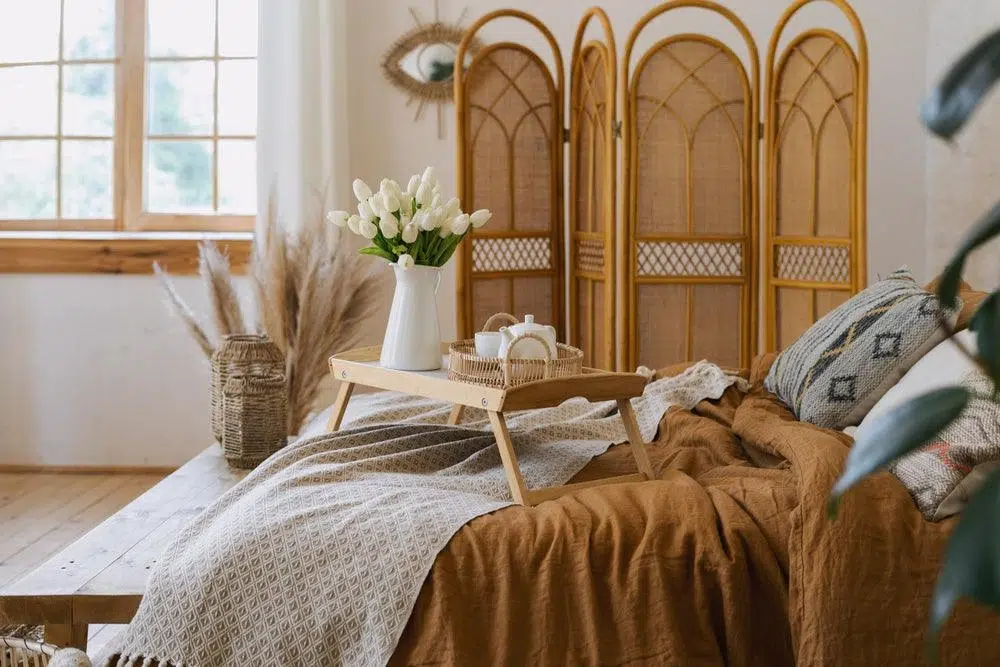
Materials are just the beginning. The real magic happens when you get the design elements right – the lighting that saves energy, the plants that clean your air, and the furniture that tells a story.
Light up your space (without lighting up your bills)
LED bulbs use 80% less electricity than traditional options whilst lasting up to 20 times longer. Replace halogen spotlights throughout your bedroom and you'll save £45 annually in Great Britain or £55 in Northern Ireland, reducing CO2 emissions by 35kg and 25kg respectively.
But here's what most people get wrong – lumens matter more than watts. A 60-watt incandescent equivalent requires 800 lumens in LED form. Look for bulbs with a colour rendering index of 80 or above for accurate colour representation under artificial light. Want adjustable ambiance? Make sure both your LED bulbs and dimmer switches are compatible to prevent flickering.
Bring nature indoors with air-purifying plants
Snake plants work overtime whilst you sleep, removing nearly all toxins and converting CO2 to oxygen at night – perfect bedside companions. Peace lilies tackle benzene, formaldehyde, and carbon monoxide. Spider plants excel at filtering benzene, formaldehyde, carbon monoxide, and xylene. Rubber plants draw in large amounts of contaminants with their distinctive forest green leaves.
Biophilic design isn't just about aesthetics – it harnesses nature's calming effects indoors, lowering stress levels and improving sleep quality. Your bedroom becomes a natural retreat that works for your wellbeing.
Less really is more
Clutter-free spaces reduce stress and simplify maintenance routines. Keep only items that serve a purpose or bring genuine satisfaction. Clear surfaces, strategic storage, and intentional purchases prevent accumulation of unnecessary possessions.

Give old furniture new life
Reclaimed timber sourced from old structures carries unique characteristics from its previous life. Traditional joinery methods and skilled craftsmanship ensure durability that mass-produced alternatives cannot match. Each piece offers distinct grains and textures whilst conserving resources and reducing landfill waste.
Every reclaimed piece has a story – and now it becomes part of yours.
How to build your eco-friendly bedroom: your step-by-step guide
Planning makes all the difference between a successful bedroom makeover and an expensive mistake. Measure your space carefully and note where your doors and windows sit – you'll avoid buying furniture that doesn't fit and wasting money on returns.
Start with what you already own. That solid wood chest of drawers might just need a fresh coat of low-VOC paint rather than replacing entirely.
Which sustainable products should you actually buy?
Don't fall for greenwashing tricks. Look for these genuine certifications:
GOTS certification guarantees organic materials and fair working conditions throughout the entire supply chain. FSC or PEFC certifications mean your timber comes from responsibly managed forests. GREENGUARD certification proves furniture emits low levels of harmful chemicals.
Always verify claims on the certification body's website rather than trusting labels with vague "eco-friendly" promises. Watch out for products using nature imagery and buzzwords like "natural" without any real evidence to back up their claims.
What you'll need for your budget:
Smart planning prevents overspending whilst maximising impact.
Start with insulation – inefficient properties waste renewable energy no matter how green your other choices are. Single-glazed windows lose 10% of your home's energy, so upgrading these first makes financial sense.
Phase your upgrades gradually. Begin with essentials like organic sheets and pillowcases, then add duvet covers and decorative touches as your budget allows. Second-hand and upcycled furniture from charity shops offer unique character at fraction of new prices.
Keep things running smoothly:
Choose plant-based, biodegradable cleaning products with natural essential oils instead of harsh chemicals.
Takeaway Tip: extending your bedding's life by just nine months cuts waste by 22% and saves 33% water consumption.
Opt for refillable cleaning products to slash single-use plastic waste.

Future-proof your sustainable choices
Quality craftsmanship with repair warranties outlasts cheap alternatives every time. Choose timeless designs that won't look dated in five years rather than chasing every trend.
Prioritise multifunctional pieces that adapt as your needs change – a storage ottoman that works as seating today and toy storage tomorrow.
Your eco-friendly bedroom sanctuary awaits
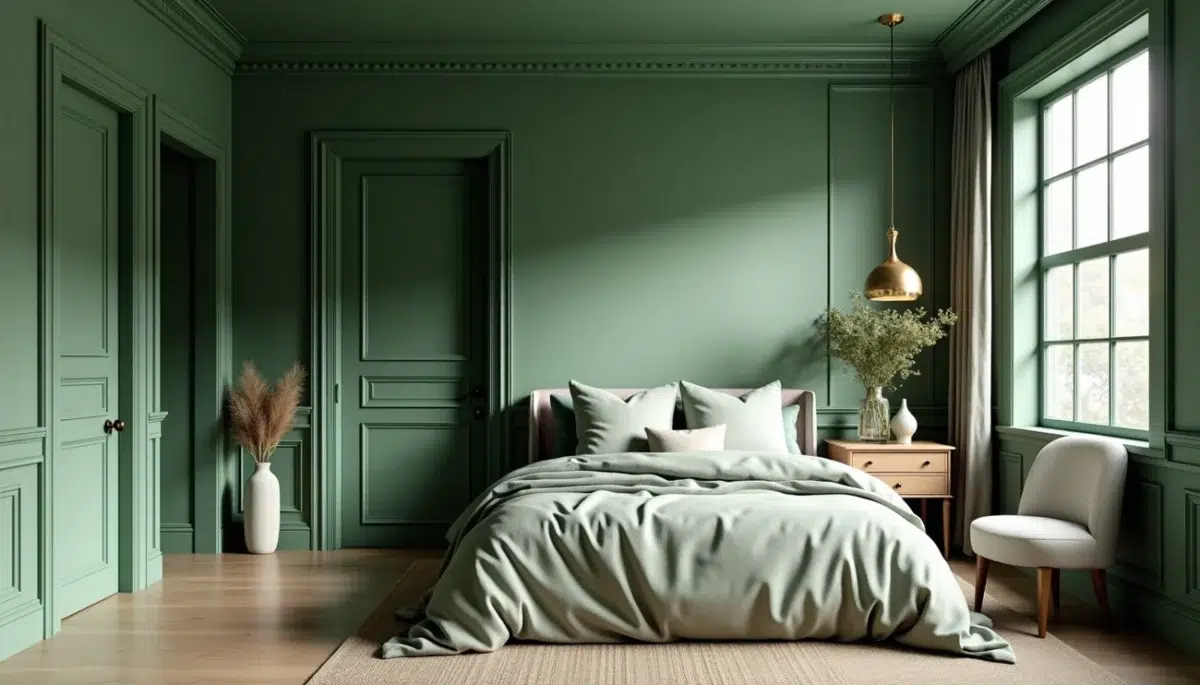
Here's the truth about building a sustainable bedroom - you don't need to get everything perfect from day one. Start with one mindful choice, whether that's switching to organic bedding, swapping your old bulbs for LEDs, or adding a single air-purifying plant to your bedside table.
Each decision you make reduces your environmental footprint whilst creating a healthier space for better sleep. Quality beats quantity every time, so focus on investing in pieces built to last rather than rushing to replace everything at once.
Take your time to verify certifications properly - those little labels make all the difference between genuine sustainability and clever marketing. Your future self will thank you for choosing durability over disposability.
Your bedroom sanctuary is closer than you think. One sustainable choice at a time.
Key Takeaways
Transform your bedroom into a healthier, more sustainable space whilst reducing environmental impact and improving sleep quality through mindful material choices and design decisions.
• Choose certified organic bedding (GOTS) and natural materials like bamboo flooring to eliminate harmful VOCs and create toxin-free sleeping environments
• LED lighting uses 80% less electricity than traditional bulbs, saving £45-55 annually whilst lasting 20 times longer
• Indoor plants like snake plants and peace lilies naturally purify air by removing benzene, formaldehyde, and carbon monoxide whilst producing oxygen
• Prioritise quality over quantity—invest in FSC-certified furniture and low-VOC finishes that last longer and maintain higher resale value
• Start small with gradual upgrades rather than complete overhauls, focusing on insulation and windows first to maximise energy savings
Sustainable bedroom design isn't just about environmental responsibility—it's about creating a healthier sleep sanctuary that benefits both your wellbeing and your wallet through reduced energy costs and improved indoor air quality.
FAQs
Q1. What are the key bedroom design trends for 2026? The hottest bedroom trends for 2026 include earthy colour palettes, personalised spaces, statement headboards, layered lighting, organic modern style, multifunctional furniture, and sustainable design choices. These trends emphasise creating calming, nature-inspired environments that prioritise both aesthetics and environmental responsibility.
Q2. What interior design styles will be popular in 2026? Interior trends for 2026 will be nature-led and calming, featuring warm neutrals, soft greens, and grounded hues layered across rooms in matt, tactile finishes. This approach creates soothing spaces that connect inhabitants with natural elements whilst promoting wellbeing and sustainability.
Q3. How can sustainable materials improve bedroom air quality? Sustainable materials significantly improve indoor air quality by eliminating harmful VOCs, formaldehyde, and toxic chemicals found in conventional furniture. Natural materials like organic cotton, bamboo, and low-VOC paints create toxin-free environments, particularly benefiting those with allergies or respiratory conditions, as indoor air can be two to five times more polluted than outdoor air.
Q4. What are the cost benefits of choosing sustainable bedroom materials? Sustainable bedroom materials offer substantial long-term savings through reduced energy consumption—up to 50% less than traditional homes—and lower maintenance costs due to superior durability. Energy-efficient features like LED lighting can save £45-55 annually, whilst sustainable homes command higher resale values, allowing you to recoup initial investments.
Q5. Which certifications should I look for when buying sustainable bedroom products? Look for GOTS certification for organic textiles, FSC or PEFC for responsibly sourced timber, GREENGUARD for low VOC emissions, and OEKO-TEX Standard 100 for harmful substance-free materials. These third-party certifications verify genuine sustainability claims and protect against greenwashing, ensuring your purchases meet rigorous environmental and health standards.