


403 Forbidden
ERR_WEB_NGX_403
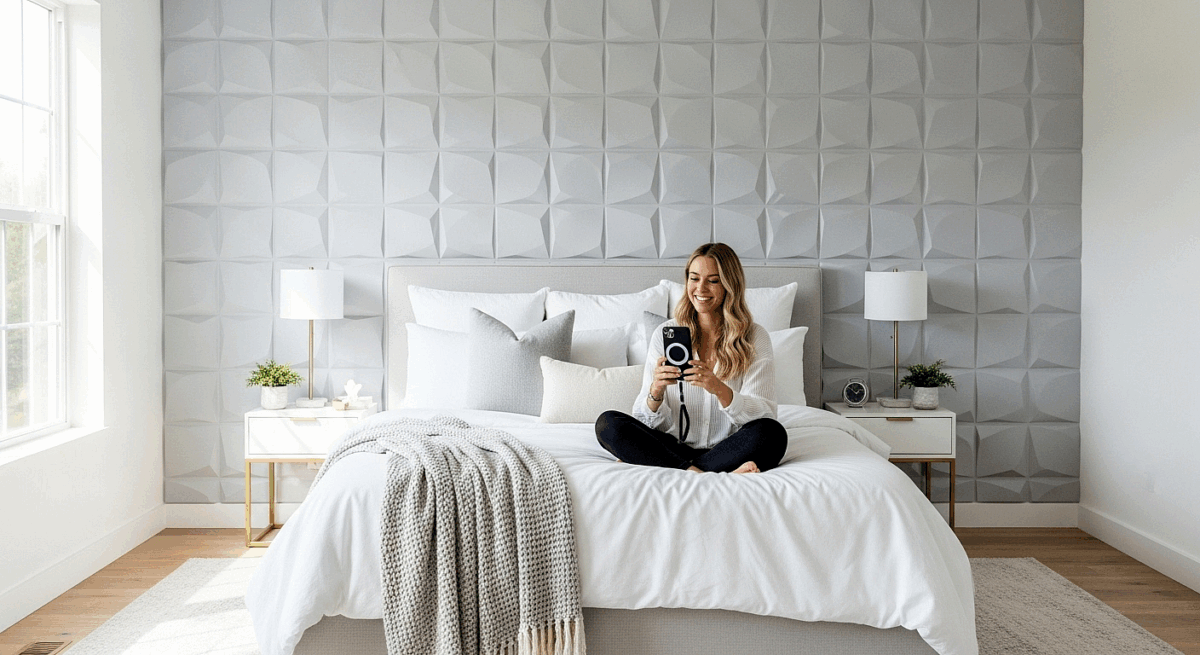
Textured wall panels can turn your bedroom into a multisensory retreat that blends design with therapeutic comfort. A sensory bedroom aims to provide comfort and relaxation through targeted sensory experiences. This creates a space that lets your senses respond positively without feeling overwhelmed. The right balance comes from careful choices in texture, colour, and lighting.
Your bedroom's environment can substantially affect your wellbeing, especially if you have sensory processing issues, autism, or ADHD. Soft, muted colours like blues, greens, and neutrals can calm you down. They might even lower your blood pressure and reduce anxiety. On top of that, different textures make the sensory experience richer. This explains why textured wall panels are now a hot trend in modern bedroom design.
Subtle 3D textured wall panels give you gentle tactile stimulation, while clean white ones create visual calm. These decorative elements look great and serve a purpose. They're more than just stylish additions - they help regulate sensory input and create your personal haven. Textured wall panels are a great solution that combines style with sensory comfort, whether you're designing for yourself or a child with specific sensory needs.
Textured wall panels add a beautiful three-dimensional surface to your walls that you can both see and touch. These design features come in different materials like MDF, PVC, wood composites, foam, and gypsum. Each material brings its own unique look and function.
Your bedroom can benefit from many different textured wall panel styles:
You'll find options from natural wood textures to modern composite materials, with prices typically between £25-£90 per square metre.

People with sensory processing challenges can really benefit from textured wall panels. We found they provide just the right amount of tactile stimulation to help regulate sensory experiences. These panels create spaces that can either calm or stimulate, depending on the textures and patterns you choose.
These sensory wall panels help reduce anxiety and prevent overstimulation by adding soothing elements you can see and touch. They're a great way to explore sensations safely and improve focus, making them valuable tools to help with self-regulation.
Unlike regular paint or wallpaper, textured wall panels excel at managing sound. Many designs absorb sound waves, which cuts down on echo and makes the room sound better. This works especially well when you need peaceful rest in your bedroom.
These panels have practical advantages too. They hide wall flaws without needing lots of repairs, add extra insulation, and need less upkeep than painted walls. A quick wipe with a damp cloth is usually all it takes to keep them looking good.
The panels' durability stands out as another big plus. They handle wear and tear better than standard wall finishes. This makes them a smart choice if you have high-traffic areas or children at home.

Your bedroom wall textures need careful thought since they affect both mood and sensory experience. The right textured wall panels create an environment that calms or energises you when needed.
The choice between soft and hard textures ended up depending on your sensory priorities. Soft textures help you feel comfortable and relaxed, making them perfect for a peaceful bedroom setting. Hard or rough textures might make you feel uncomfortable and tense, which works against the purpose of a space meant for rest.
An all-encompassing approach works best if you have sensory sensitivity. Here's what to think over:
Designers say, "Choosing soft textures is not a one-size-fits-all suggestion; all the same, it is an easy solution to customise".
3D wall panels give you an unmatched tactile experience through different materials and surfaces. These panels improve fine motor skills and visual sensory input while letting you explore safely. In fact, high-quality 3D panels use various materials that provide different sensory feedback—from soft fabrics to smooth metals and coarse carpets.
Whatever design you pick, 3D panels help tactile defensive children get used to different textures. They also work great for sensory seekers who need controlled tactile input.
White wall panels play a special role in sensory-focused bedroom design. Their clean look creates visual peace and magnifies light, which makes rooms look brighter and more spacious. Beyond looking good, white panels give you a neutral background that works well with other sensory elements.
Textured white panels that look like whitewashed wood with subtle grain patterns give you both visual simplicity and gentle tactile interest. This mix creates a balanced sensory experience that works well for sensitive people.
Your bedroom can become a sensory haven with textured wall panels that blend seamlessly into the overall design. The right combination of tactile elements and sensory features will turn your basic sleeping space into a complete sensory retreat.
Layered lighting brings wall panel textures to life and creates dynamic visual effects throughout the day. You should place lights at different heights—ceiling fixtures, bedside lamps, and floor lamps—to add depth and highlight panel contours. LED strips along wall panelling offer a modern touch and create soft pools of light that add warmth and luxury. Light temperature plays a vital role. Warmer hues (2700-3300K) work best for relaxation areas while cooler tones (5300-6000K) suit dressing spaces better.
Textured wall panels help define functional areas in your bedroom effectively. Half-height panelling creates natural boundaries between sleeping and relaxation zones. The room's perceived dimensions change with panel orientation—vertical panels make ceilings look higher, while horizontal ones make rooms appear wider. Research shows linear wall treatments can boost perceived ceiling height by 7-11%. A consistent panelling approach ties different activity zones together while maintaining their distinct purposes.
Wall panels do more than please the eye. Fluted and slatted textured panels reduce room reverberation by up to 31%, which makes them ideal for creating a quiet sanctuary. You can amplify this effect by placing acoustic panels behind your headboard to block noise from adjacent rooms. The experience becomes complete with reed diffusers or automated scent dispensers that release pleasant fragrances every 30-60 minutes.
The safety and longevity of your textured wall panels depend on proper installation. Secure attachment prevents future issues. High-quality panels need minimal upkeep—regular cleaning with standard household products does the job. Mardom Decor's premium version with SupremeSatin® varnish offers exceptional durability and eliminates the need for painting.

Your bedroom transformation project's success depends on how well you handle the textured wall panels installation. Here's what you need to think about to create your perfect sensory haven.
You can save £20-£60 per m² by installing panels yourself. However, DIY projects need specific skills—you must know how to measure accurately, understand carpentry basics, and own proper tools like mitre saws and laser levels. Professional installation brings expert craftsmanship, saves time, and gives you access to premium materials. Complex projects with acoustic or solid wood panels need professional fitting (£40-£60 per m²) that will give a perfect arrangement and lasting results.
Wall panels can turn plain walls into stunning features. Basic decorative MDF or PVC panels cost £20-£40 per panel, while 3D effects or slatted designs range from £50-£100 per panel. The panels look best when they extend from floor to ceiling instead of stopping halfway. Adding trim like plinth blocks or skirting boards creates a polished, custom look.
Modern bedrooms look great with geometric wood panelling in herringbone or chevron patterns. Vertical slat wall panelling creates a clean look and makes rooms feel taller. Textured fabric panels add a touch of luxury while improving room acoustics. Ribbed panels at half-height, painted to match walls, add subtle texture to any space.
Material prices range widely—from budget-friendly MDF (£20-£40 per panel) to high-end 3D designs (£50-£100). Wall panel kits offer better value than buying individual panels, with small kits starting at £200. Make sure to measure your space carefully before buying. You can save 20-30% by comparing prices across online suppliers, home improvement stores, and specialist companies.
Textured wall panels are a great way to turn your basic bedroom into a personalised sensory haven. In this piece, these versatile design elements do more than just look good - they serve a practical purpose, especially if you have sensory sensitivities. You should think over textured wall panels as therapeutic tools that involve your senses in a positive way without overwhelming them.
The right panels can create spaces that boost your wellbeing and comfort. Soft-textured panels help you relax, while 3D ones give you tactile stimulation. On top of that, it helps that white textured panels bring visual calm while still giving subtle sensory input. Your final choice will depend on your priorities and specific sensory needs.
Of course, you need to think over the installation process carefully. DIY approaches will save you money, but professional installation will give you precision and longevity. These panels need very little maintenance and last longer than regular wall treatments.
The mix of texture with the right lighting, sound absorption, and scent creates an unmatched bedroom experience. Your bedroom becomes more than just a place to sleep - it turns into a multisensory retreat made just for you.
Whatever your budget, textured wall panels are available options to transform your bedroom. From budget-friendly MDF options to premium 3D designs, these panels help create spaces that calm your senses while showing off your personal style. Your bedroom should be your sanctuary, and textured wall panels offer a stylish, practical way to make that happen.
Transform your bedroom into a therapeutic retreat with textured wall panels that provide both aesthetic appeal and sensory benefits for enhanced wellbeing.
• Textured wall panels offer controlled tactile stimulation, helping regulate sensory experiences and reduce anxiety for sensitive individuals
• Choose soft textures for relaxation or 3D panels for tactile engagement; white panels create visual calm whilst amplifying natural light
• Combine panels with layered lighting and acoustic benefits to create distinct zones for sleeping, relaxing, and activities within your bedroom
• DIY installation costs £20-£60 per m² less than professional fitting, though complex projects benefit from expert installation for longevity
• Materials range from affordable MDF (£20-£40 per panel) to premium 3D designs (£50-£100), with wall panel kits offering better value
Textured wall panels represent more than decorative elements—they're therapeutic tools that create personalised sensory environments whilst requiring minimal maintenance and offering superior durability compared to traditional wall treatments.
Q1. What are the benefits of using textured wall panels in a bedroom? Textured wall panels offer both aesthetic and functional benefits. They provide controlled tactile stimulation, help regulate sensory experiences, reduce anxiety, and create a calming environment. Additionally, they can improve acoustics, hide wall imperfections, and add visual interest to the room.
Q2. How do I choose the right texture for my bedroom wall panels? Consider your sensory preferences and the atmosphere you want to create. Soft textures promote relaxation, while 3D panels offer tactile stimulation. White textured panels can create visual calm. It's best to layer different textures for a balanced sensory experience.
Q3. Can textured wall panels be installed as a DIY project? Yes, DIY installation is possible and can save £20-£60 per m² compared to professional fitting. However, it requires specific skills and tools. For complex projects or premium materials, professional installation might be preferable to ensure proper alignment and longevity.
Q4. How much do textured wall panels typically cost? Prices vary depending on the material and design. Entry-level MDF or PVC panels start at £20-£40 per panel, while premium 3D designs can cost £50-£100 per panel. Wall panel kits offer better value, with small kits starting from £200.
Q5. Are textured wall panels easy to maintain? Most high-quality textured wall panels require minimal maintenance. They can be cleaned gently with standard household products. Some panels, like those with SupremeSatin® varnish, eliminate the need for painting and offer exceptional durability, making them even easier to maintain.