



Table of Contents
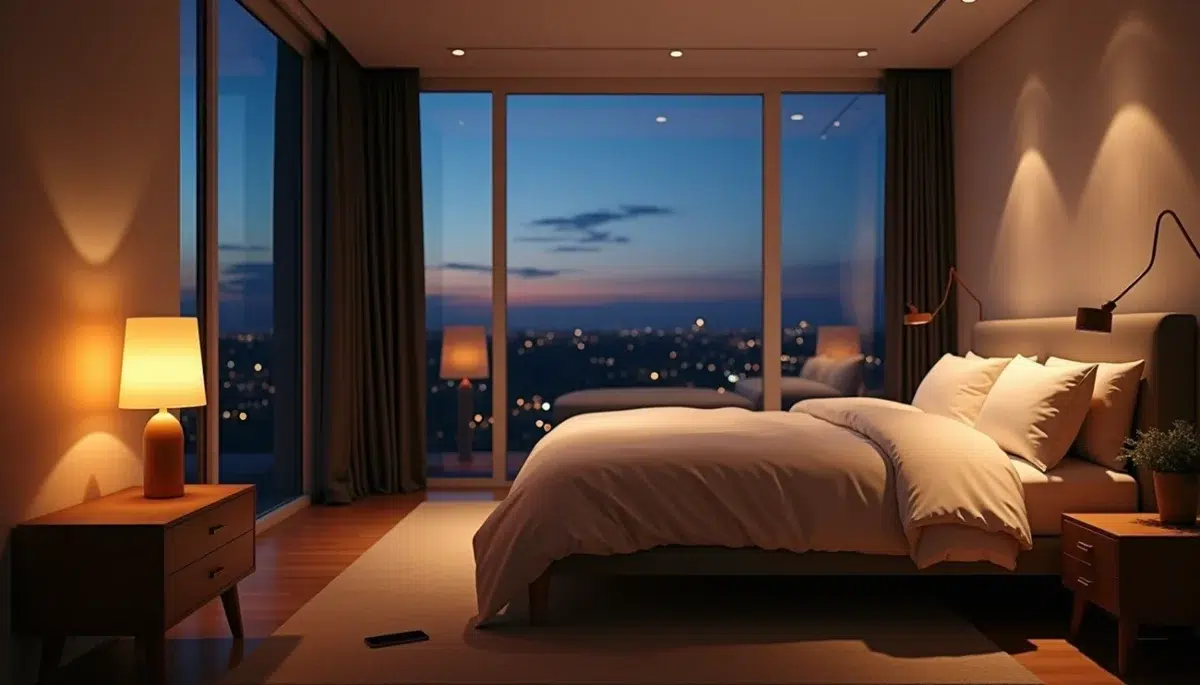
Your bedroom should be your own personal sanctuary—a space where you can escape from the outside world and truly unwind after a long day. Getting your lighting right makes all the difference between a room that feels flat and lifeless and one that wraps you in exactly the right atmosphere.
The wrong lighting can completely ruin even the most beautiful bedroom design. But here is the thing: warmer colours and lighting evoke feelings of peace and coziness, exactly what you want when you are winding down for the evening.
Whether you are after a soft ambient glow, focused task lighting for bedtime reading, or accent lights that add drama to your space, we have the bedroom lighting ideas to help you create that perfect retreat.
In this comprehensive guide, you will discover ceiling light options that suit any room height, mood lighting techniques that set the scene, and practical tips for choosing the right brightness and controls to match your needs. Ready to create a bedroom lighting scheme worth talking about?
The Three Essential Types of Bedroom Lighting
Professional designers swear by layering three different types of lighting to create bedrooms that work beautifully day and night. Each layer has its own job to do, and when you get them working together, you will have a space that adapts perfectly to whatever you are doing.
Think of it like building the perfect outfit—you need the right base layer, the functional pieces, and those finishing touches that make everything come together.
1. Ambient Lighting for General Illumination
Ambient lighting is your foundation layer. This is the general illumination that lets you move around your bedroom safely and sets the overall mood for your space. Picture it as the gentle, even brightness that fills every corner without being harsh or overwhelming.
You have plenty of options here: ceiling fixtures, chandeliers, recessed lights, and wall sconces all do the job brilliantly. These fixtures give you enough light to navigate comfortably without squinting or straining your eyes.
Don't forget that natural light streaming through windows and skylights also counts towards your ambient lighting during the day.
Here is where colour temperature becomes crucial. Warm tones around 2700K to 3000K create that cozy, inviting atmosphere you need for proper rest. Cool tones might feel fresh and energizing but save those for your kitchen or office.
Installing dimmable options gives you complete control over brightness levels, so you can adjust the ambiance from bright morning light to soft evening glow.
2. Task Lighting for Specific Activities
Task lighting is all about focused illumination exactly where you need it. While ambient lighting fills the whole room, task lighting zooms in on particular spots where you are doing things such as reading, working, applying makeup, or getting dressed.
This lighting needs to be brighter than your ambient sources and positioned to eliminate shadows and eye strain. The colour temperature for task lighting typically sits around 3500K to 4500K, which is cooler than ambient lighting and much better suited for activities that require focus.
- Bedside lamps: The classic choice for reading in bed.
- Wall-mounted sconces: Save precious surface space while delivering focused light.
- Vanity lights: Ensure you can see properly when getting ready.
- Under-cabinet lighting: Brightens wardrobes or dressing areas.
3. Accent Lighting for Visual Interest
Accent lighting adds those perfect finishing touches. This layer creates visual interest by highlighting specific features you want to showcase—artwork, architectural details, or treasured collections.
The main purpose of accent lighting is purely aesthetic rather than functional. It draws the eye to focal points and adds drama to your space. A key rule to remember accent lighting should be roughly three times brighter than your ambient lighting.
This contrast is what makes highlighted features truly stand out. Adjustable fittings work best here, letting you focus light precisely on small areas or specific objects.
Bedroom Ceiling Light Ideas for Ambient Lighting
Your ceiling fixture sets the stage. Choosing between chandeliers, pendants, flush mounts, or ceiling fans comes down to three key factors: your ceiling height, personal style, and how you use your space.
Chandeliers for a Statement Look
Nothing beats a chandelier for instant bedroom drama. Crystal versions don’t just look stunning—those faceted crystals refract light around your room, creating a soft, twinkling centerpiece.
You will find chandeliers to match any style. Art Deco designs feature tiered glass rods, while Industrial versions combine matte black finishes with exposed filament bulbs. Sputnik chandeliers, inspired by the first satellite to orbit Earth, extend multiple arms from a central globe for a modern dandelion shape.
Size and Placement:
- Proportion: For most standard bedrooms, look for fixtures with a 50-60cm diameter.
- Shape: Circular designs usually work better than rectangular ones in a bedroom, as curves soften the angles of the bed.
- Position: Place your chandelier at the foot of the bed or centrally in the room for the best lighting distribution.
Pendant Lights for Style and Function
Pendant lights offer brilliant versatility. They create sophisticated, cozy atmospheres year-round while adding a designer touch.
A central hanging light provides orientation and uniform ambient lighting, forming the perfect visual counterbalance to your furniture.
The materials you choose influence the light quality. Textile shades, opal glass, or matte surfaces gently diffuse light. Fabric or paper versions spread soft, cozy light, whereas glass or metal models set clear, defined accents.
Flush Mount Lights for Low Ceilings
Flush-fitting ceiling lights solve the low-ceiling challenge perfectly. These fixtures mount directly to the ceiling, making them ideal for any room with limited overhead clearance.
Many come IP-rated and handcrafted from solid brass with hand-blown glass shades that reflect light beautifully.
Standard lower ceilings measure around 2.4m, so select lights under 45cm in height to leave approximately 2m of clearance underneath. Semi-flush fittings provide an attractive alternative, adding visual interest while remaining practical.
Ceiling fans with integrated lights
Ceiling fans with lighting deliver double functionality through a single ceiling connection. Installation works just like normal ceiling fans via conventional ceiling outlets, with light and fan operated separately.
- Energy Efficiency: LED options win on energy efficiency compared to conventional bulbs.
- Smart Features: Many models now offer smart home integration, enabling control via Alexa or smartphone apps for dimming and timers.
- Winter Mode: A hidden bonus! Rotating fans in reverse during winter moves warm air from the ceiling back down to floor level, helping reduce energy costs.
Task Lighting Solutions to Boost Bedroom Functionality
Task lighting takes your bedroom from basic to brilliant. These focused lights make all the difference when you are reading, grooming, or organizing.
Bedside Table Lamps for Reading
Getting the placement right matters more than you might think. Position the bottom of the shade at roughly chin height when you are sitting up in bed. This simple rule prevents glare while ensuring light falls exactly where you need it on your book or tablet.
Wall-Mounted Sconces to Save Space
Wall sconces mounted on either side of your bed create perfect symmetry while freeing up your nightstand. This approach works particularly well in smaller bedrooms. Swing-arm models are especially practical, allowing you to move the light source while keeping the base fixed.
Floor Lamps for Versatile Positioning
Floor lamps offer remarkable flexibility when nightstand space runs short.
- Height: Standard floor lamp height should measure between 148 to 162 cm.
- Distance: For reading areas, position the lamp 0.4 meters from the side of your chair to avoid unwanted shadows.
Mood Lighting Bedroom Ideas with Accent and Decorative Lights
Accent and decorative lights are where the magic happens. They create that hotel-like ambiance perfect for an evening wind-down.
LED Strip Lights for Modern Ambiance
Tuck LED strips behind your headboard or along shelves. Position them under your bed frame to create a "floating" effect—perfect for midnight bathroom trips without stubbing your toe. Modern RGB options let you adjust the mood to match your activity: bright white for cleaning, or warm amber for relaxing.
Decorative Lamps and Lanterns
High-quality decorative lamps bring sophistication through materials like marble, brass, or hand-blown glass. Lantern-style fixtures offer timeless elegance and architectural interest. Don’t be afraid to choose sculptural pieces; your bedroom lighting should reflect your personal style much like the art on your walls.
Getting Your Lighting Specifications Right
The technical side of lighting might seem complicated, but these basics ensure your room feels right.
Why Colour Temperature Matters for Your Sleep
Colour temperature is measured in Kelvin (K).
- 2700K to 3000K (Warm White): Best for bedrooms. It supports natural melatonin production and helps you relax.
- 5000K to 6500K (Daylight): Avoid these in the bedroom at night. This "cool" light is far too energizing and can disrupt your sleep cycle.
How Bright Should Your Bedroom Be?
| Activity | Recommended Lux/Lumens |
| Evening Relaxation | 100–150 Lux |
| Morning Routine | 500+ Lux |
| Total Room Output | 2000–4000 Lumens |
Installing Dimmer Switches for Complete Control
Dimmer switches are the ultimate bedroom upgrade. They allow you to shift from functional morning light to soft evening glow instantly.
Note: Standard LED bulbs won't work with traditional dimmers. You will need dimmable LED bulbs paired with trailing-edge dimmer switches designed specifically for LED use.
Create Your Perfect Bedroom Lighting Scheme
Getting your bedroom lighting right comes down to layering: ambient for the glow, task for the work, and accent for the mood. The magic happens when they all work together.
Start with warm temperature bulbs and consider adding a statement chandelier as a focal point. Supplement this with bedside reading lamps and perhaps some subtle LED strips behind the headboard.
Your bedroom should be your own personal sanctuary. Take what you have discovered here and start creating the bedroom lighting scheme you have been dreaming of—you will be amazed at the difference it makes to your daily routine and your quality of sleep.