




Table of Contents
Your bedroom should be your personal retreat from the world. But how do you create that cosy, inviting feeling you're after? The secret isn't about splashing colour everywhere – it's all about texture. Throw blankets and pillows are your secret weapons for crafting that warm, touchable sanctuary you've been dreaming of.
Why does layering different bedding textures work so well? You can build visual depth without overwhelming your colour scheme. You'll create luxury through how things feel, not just how they look. And you can soften those clean-lined furniture pieces that might feel a bit stark on their own. Texture and that sumptuous feeling – these are what make a bedroom truly inviting.
Whether you're working with a neutral palette or you want to explore matching throw blankets and pillows, this guide will show you exactly how to layer like a designer does. We'll walk you through choosing the right fabrics, give you step-by-step techniques, and share styling tips that'll bring real character and warmth to your space.
Understanding the Basics of Bedroom Layering
Why Layering Matters in Bedroom Design
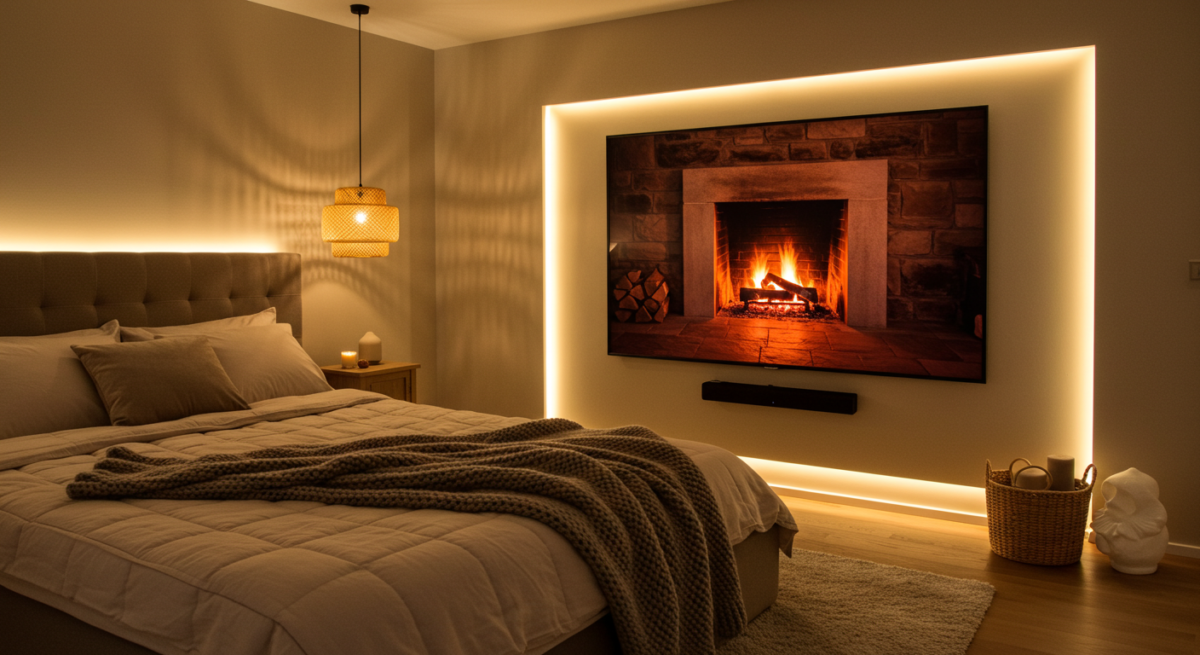
Layering isn't just a trendy decorator trick – it's a fundamental design principle that actually works. Every element you add should have a clear purpose. Maybe it's for functionality, comfort, warmth, or visual contrast.
Designers use this approach because it creates emotional depth. A properly layered room feels lived-in and intentional rather than flat or chaotic. The technique lets your space unfold visually over time, revealing material contrasts and tonal shifts instead of demanding immediate attention from every element at once.
What makes layering successful? Each component needs to complement the others through shared colour palettes, repeated shapes or patterns, and appropriate proportion. When you execute this with intention, throw blankets and pillows work together to build what designers call quiet complexity: layers that reveal themselves gradually rather than all at once.
The Role of Throw Blankets in Creating Cosiness
Throw Blankets serve two purposes in your bedroom design. Yes, they look good, but they also provide genuine warmth through a simple physical principle: each extra layer traps warm air that acts as insulation. This functional quality makes them particularly valuable for temperature regulation, whether you're dealing with cold weather or overactive air conditioning.
From a design perspective, throws offer unmatched versatility. You can drape them casually for a relaxed look or fold them neatly for a more polished appearance. They introduce colour, pattern, and texture without taking up significant physical space, making them an efficient tool for visual impact. Matching throw blankets and pillows can establish cohesion across your bed's design whilst still allowing for textural variation.
How Pillows Add Depth and Comfort
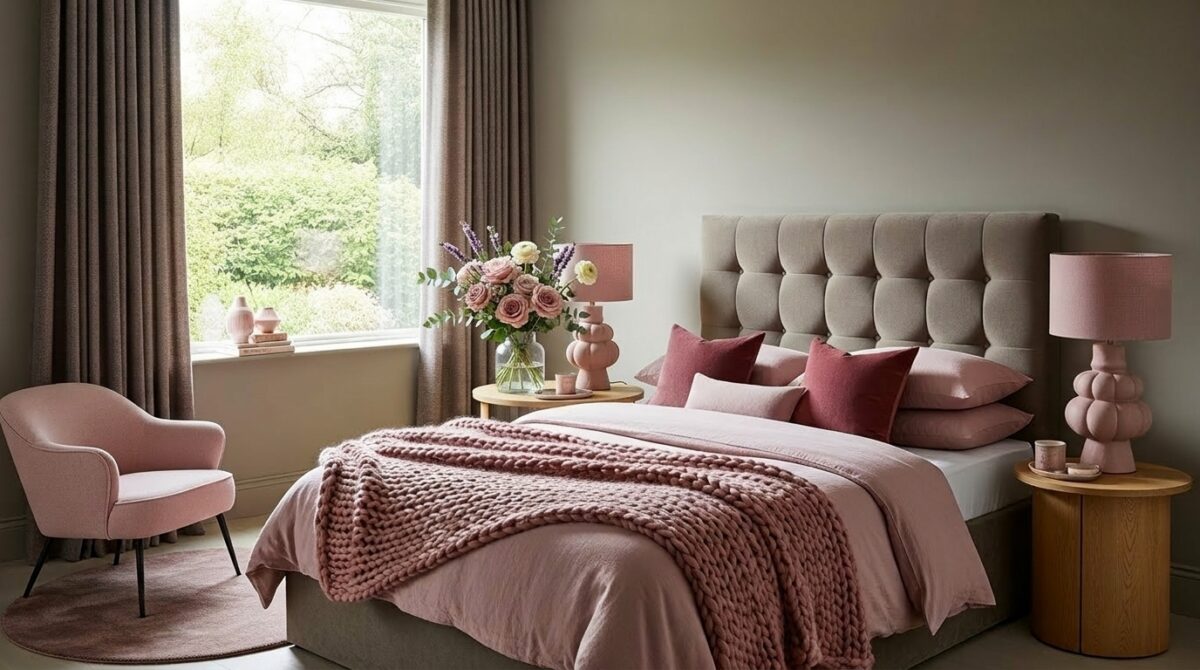
Decorative pillows do double duty – they enhance both comfort and visual appeal. They provide better support for lounging and reading whilst adding designer touches through varied textures, shapes, and colours. The arrangement principle works from back to front, starting with larger pillows and moving to smaller accent pieces to create dimensional depth.
Size matters here. Standard sleeping pillows work differently than Euro shams or square decorative cushions. When you mix pillow sizes, you add interest and variety, creating a dynamic layered look that feels inviting.
Colour and Pattern Considerations
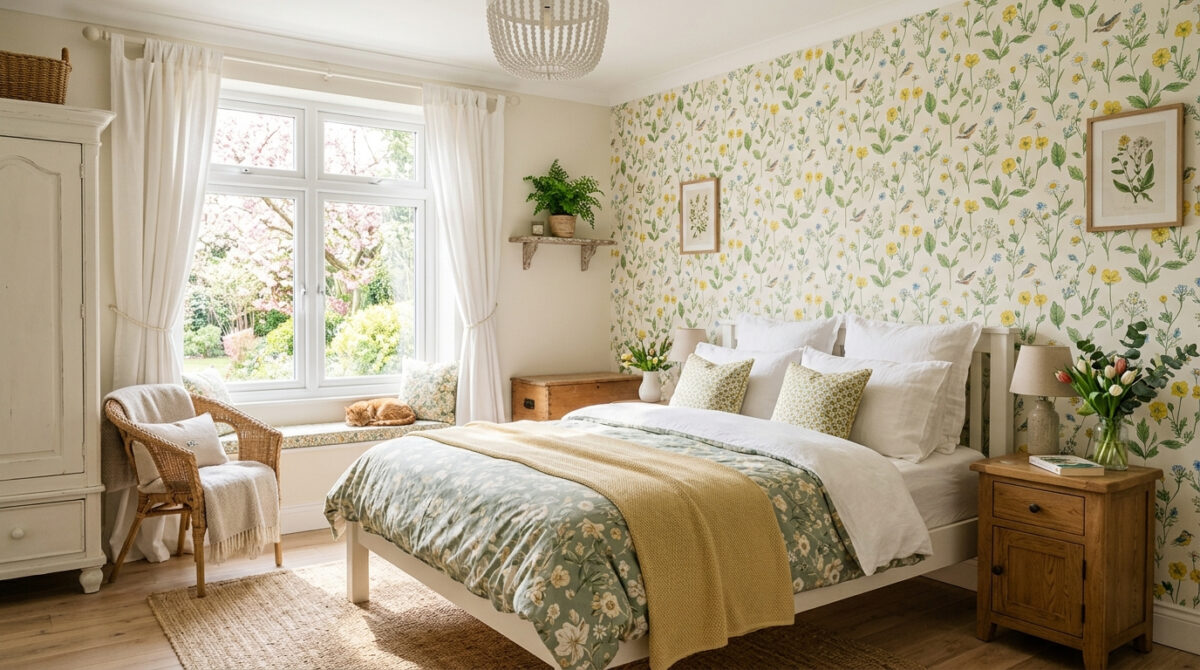
Pattern mixing requires balance rather than perfect matching. Stay within your colour palette to maintain cohesion, vary the scale by pairing large prints with smaller ones, and use patterns primarily in accent pieces. If your duvet features patterns, keep accessories neutral; conversely, plain bedding invites patterned throw blankets and pillows.
Textural contrast is equally important. Pair something soft with something structured, such as velvet pillows on linen bedding. These tactile contrasts create visual interest whilst inviting touch, ensuring your bed feels as considered as it looks.
Choosing the Right Throw Blankets and Pillows
Selecting Fabric Textures That Work Together
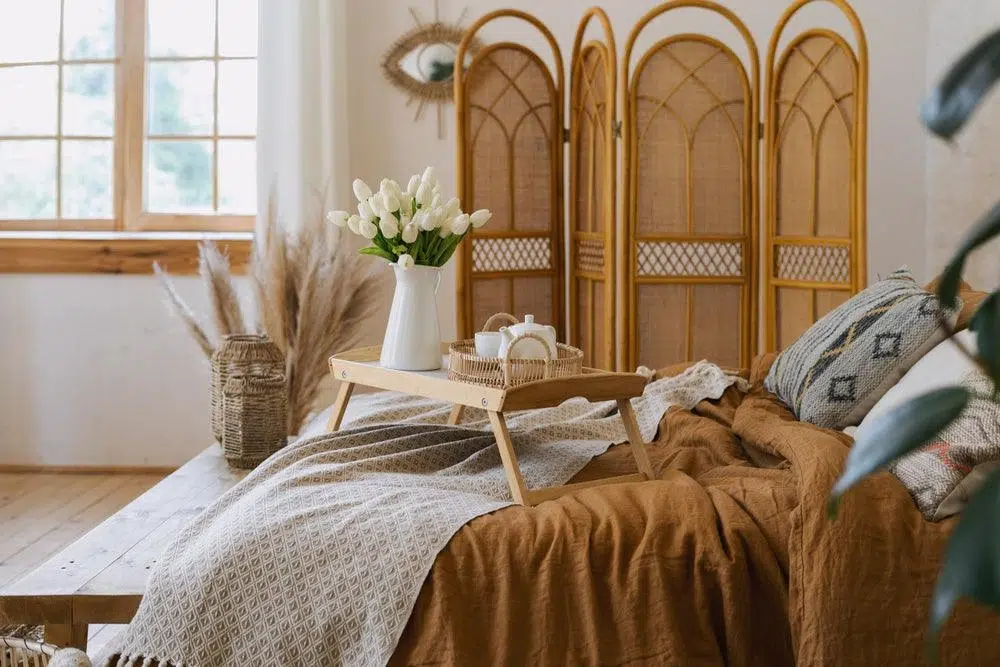
Cotton stands as your most versatile choice for throw blankets and pillows. It offers softness, durability, and hypoallergenic properties that natural fibres provide. Linen shares similar benefits, delivering breathability and durability, though it can feel rougher than cotton.
For bedroom applications where comfort matters, cotton or velvet work better than linen alone. Blending cotton and linen gives you the advantages of both materials.
Velvet introduces luxury through its plush texture, whilst polyester offers practical durability and water-repellent qualities that suit households with children. Leather accent pillows create statement pieces with matte textures and unmatched aesthetic appeal. Mix materials like velvet, linen, and cotton to add depth and make your space feel thoughtfully curated.
Size and Proportion Guidelines
Pillow sizing follows a simple hierarchy. Start with larger square pillows (22x22 inches) as your base, add medium sizes (20x20 inches) for volume, then finish with smaller accents (18x18 inches or lumbar) for personality. Here's a key tip: purchase inserts one size larger than your cover. Pair a 22-inch cover with a 24-inch insert for that plush, designer appearance.
For throw blankets, standard decorative sizes measure 50x60 inches, whilst oversized bed layers reach 60x80 inches. Odd numbers work better – 3 or 5 pieces tend to feel more casual and collected than even groupings.
Matching Throw Blankets and Pillows for Cohesion
Select 2-3 fabric tones that echo your throw's palette. Match pillow sizes appropriately with your blankets to maintain visual balance. Share at least one unifying element across all pieces, whether colour, undertone, or overall aesthetic.
This common thread ensures matching throw blankets and pillows feel cohesive even when patterns differ significantly.
Mixing Patterns Without Overwhelming the Space
Keep all patterns within the same colour family to maintain polish. Vary scale by mixing large prints with small prints; pair oversized florals with fine stripes, for example. Classic combinations include floral with geometric, stripes with abstract, and animal prints with checks. When using three patterns together, try large-scale prints, florals, and geometrics. Use textured solids like linen, velvet, or boucle to give patterned pieces room to shine.
Takeaway Tip: if you're nervous about pattern mixing, start with two patterns maximum and build your confidence from there.
Step-by-Step Layering Techniques
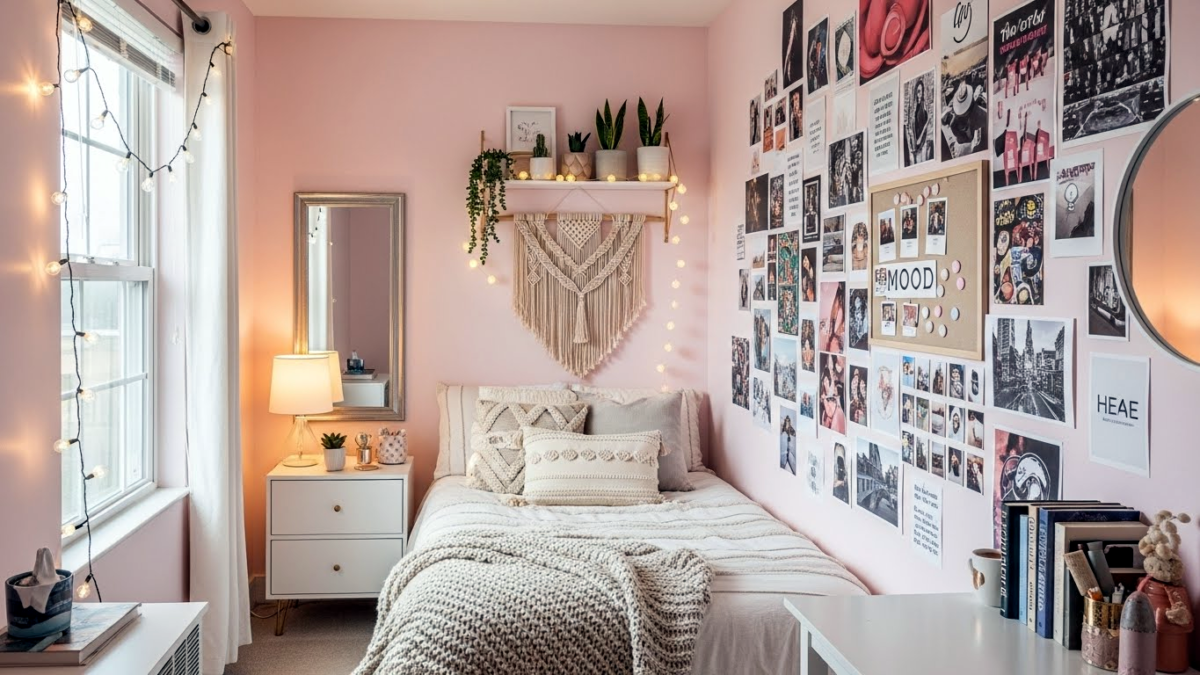
Ready to create that perfectly layered look? Let's break it down into simple steps that'll have your bed looking like something straight out of a design magazine.
Starting with Your Base Layer
Your sleeping pillows are where everything begins. Pop them against the headboard - stack them in pairs for queen beds, or line them up side by side if you're working with a smaller frame. Give them a proper fluff first to get that full, inviting look before you start adding your decorative layers.
Here's something to keep in mind: your headboard height makes a real difference to how many layers you can pile on. Taller headboards can handle more pillows without looking overwhelming, whilst lower profiles need a lighter touch to avoid that top-heavy appearance.
Adding Decorative Pillows in the Right Order
This is where the magic happens - and it's all about building from largest to smallest. Start by positioning your Euro shams (26x26 inches) right in front of your sleeping pillows, then add your large square pillows (20-24 inches), and finish with those smaller accent pieces at the front.
This back-to-front approach creates natural depth that draws the eye in. Want a crisp, symmetrical look? Match your pillows on each side. Prefer something more relaxed? Use odd numbers and place them slightly off-centre for that effortless, lived-in feel.
Placing Throw Blankets for Visual Appeal
Position your throw blankets at the foot of your bed and let them cascade naturally - this creates that inviting, touchable quality you're after. Try folding lengthwise and draping diagonally across one corner for asymmetry, or spread horizontally across the bottom edge for a neater appearance.
Takeaway Tip: Layer a decorative throw over a larger neutral base blanket for expanded visual impact without overwhelming your colour scheme.

Creating Height and Dimension
Your Euro shams do the heavy lifting here, establishing that vertical presence behind your arrangement. Mix things up by stacking your standard pillows at varying heights - prop some upright whilst laying others flat. This variation stops everything looking flat and adds real architectural interest to your bed.
Draping Techniques for a Relaxed Look
Keep things natural:
- The effortless toss works beautifully with chunky knits - simply toss the blanket and let it fall where it wants
- The neat fold creates polish by folding lengthwise into thirds
- The waterfall drape lets fabric cascade off the bed's edge for drama
- The triangle fold over one corner gives you that tailored, boutique hotel appeal
Each technique creates a different mood, so choose what feels right for your space and personality.
Styling Tips and Common Mistakes to Avoid
Balancing Texture and Colour
Professional designers swear by the Rule of Three when you're balancing throw blankets and pillows. Start with a solid base in high-thread-count cotton, add subtle texture through quilted coverlets or jacquard patterns, then finish with a bold accent like chunky knit throws or velvet cushions. This approach stops monochromatic schemes from looking flat whilst keeping things visually restrained.
Smooth cotton paired against nubby wool? Perfect. Cool linen alongside warm velvet? Even better. These tactile contrasts create that richness that feels considered rather than accidental.
Seasonal Adjustments for Year-Round Comfort
Your bedroom needs different things as the seasons change. Swap those heavy winter layers for lightweight, breathable cotton when temperatures start to rise. Spring and summer are all about linen throws with breathable cotton accents, whilst autumn demands chunky knitted throws or textured blankets in richer tones like caramel or taupe.
Winter calls for the big guns – thick faux-fur or fleece throws alongside cashmere or heavyweight knits for ultimate warmth. Keep your core neutral bedding constant and rotate matching throw blankets and pillows seasonally to refresh your space without full redesigns.
What Not to Do When Layering
Stick with two patterns maximum, three at most. Don't reach for synthetic blends – these materials pill and lose their lustre over time. Never create overly staged beds that require complete deconstruction before you can actually use them. Too many bulky items will make your bed look overdone rather than inviting.
Maintaining a Cosy Yet Tidy Appearance
Declutter regularly and use under-bed storage for seasonal items. Choose pieces that combine function with beauty rather than purely decorative elements. Each item should earn its place through purpose, aesthetics, or personal meaning.
Remember, your bedroom should work for you, not against you.
Conclusion
There you have it – everything you need to layer throw blankets and pillows like a professional designer. Follow these principles to build texture, balance proportion, and mix patterns without overwhelming your space.
Don't forget the point that's often overlooked: functionality matters just as much as how things look. Your bed should invite you in, not require complete dismantling every night.
Start with your base layer, experiment with different fabrics and arrangements, and soon enough your bedroom will feel genuinely cosy and intentionally styled. The beauty of this approach? You can adjust and refine as you go, swapping pieces seasonally or when your taste evolves.
Ready to create that cosy bedroom retreat you've been dreaming of?
FAQs
Q1. How should I layer blankets on my bed for maximum warmth? Start with a fitted sheet as your base, followed by a flat sheet. Add a blanket for insulation, then layer a lofty comforter or duvet on top. Finish with a decorative quilt or throw at the foot of the bed. Each layer traps warm air, creating natural insulation that keeps you cosy throughout the night.
Q2. What's the proper order for arranging decorative pillows on a bed? Begin with your sleeping pillows against the headboard, then place large Euro shams (26x26 inches) in front. Follow with medium square pillows (20-24 inches), and finish with smaller accent cushions or lumbar pillows at the front. This back-to-front progression creates natural depth and visual interest.
Q3. How many cushions should I style on my bed? The ideal number depends on your bed size and personal preference, typically ranging from 2 to 6 cushions. Use odd numbers (3 or 5) for a more casual, collected look. Start with larger cushions at the back and layer forward by size, mixing textures like velvet, linen, and cotton for added depth.
Q4. How can I mix patterns in my bedding without it looking overwhelming? Keep all patterns within the same colour family and limit yourself to two or three patterns maximum. Vary the scale by pairing large prints with smaller ones, such as oversized florals with fine stripes. Use textured solid pieces like linen or velvet to give patterned items room to breathe and maintain visual balance.
Q5. Should I change my throw blankets and pillows seasonally? Yes, seasonal adjustments enhance year-round comfort. In spring and summer, opt for lightweight linen throws and breathable cotton accents. For autumn, introduce chunky knitted throws in richer tones. Winter calls for thick faux-fur or fleece throws with heavyweight knits. Keep your core neutral bedding constant and rotate accent pieces to refresh your space.